Mon - Fri: 8am - 5pm, Sat - Sun: Closed

6-36 Month Warranties
We Ship Local.
Hablamos Español.
Connect with
How to Complete a Legal Engine Swap
CARB EO Engine Swap
Understanding Federal and CARB Emission Rules
Engine swaps must meet or exceed the emissions standards of the original chassis, with federal regulations requiring all emissions components to remain present and fully functional so no system is bypassed. California enforces stricter CARB EO requirements, approving specific combinations of engines, calibrations, and emissions hardware. A CARB EO engine swap ensures the installed configuration meets defined standards while preserving emissions integrity.
Installers performing emissions compliant swaps must verify the donor engine matches or exceeds the original vehicle’s model year, and that OBD-II systems are compatible. Incorrect integration can trigger automatic inspection failures even if tailpipe emissions pass. Ensuring engine family compatibility, proper ECU pairing, and unmodified emissions hardware is essential for achieving a 50 state legal engine swap.
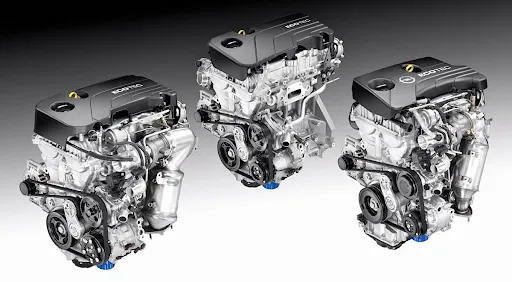

Missing, damaged, or altered emissions equipment is the most common reason swaps fail, and removing EGR assemblies, catalytic converters, or evaporative components instantly violates federal rules. Even small changes to routing can cause an inspection-ready engine swap to fail visual checks, making attention to detail essential. Ensuring every emissions component functions exactly as designed prevents costly rework and supports long-term legal diesel engine swap compliance for sustained reliability and consistent regulatory approval across all jurisdictions over time and continued legality.
Preparing Your Swap for Visual and OBD Checks

Vehicles are evaluated through a visual inspection and an OBD-II readiness test, with visual failures occurring when emissions parts are deleted, incorrectly relocated, or replaced with non-certified components. OBD failures happen when monitors fail to set because the ECU strategy conflicts with the recipient vehicle’s configuration. Wiring mismatches, incompatible sensors, and incorrect calibration often cause readiness issues that prevent inspection completion and delay approval of an emissions compliant swap.
Installers performing emissions compliant swaps should use factory schematics to integrate sensors, purge valves, catalytic converters, and O2 systems precisely as intended. Proper OBD-II integration ensures readiness monitors for EVAP, O2, and EGR systems complete successfully. Correct calibration and ECU programming are essential to achieving a fully inspection-ready engine swap that meets 50 state legal engine swap standards and maintains long-term compliance.
Some states require extended drive cycles before readiness monitors set, making thorough verification essential. Shops should road-test completed swaps, ensure no pending trouble codes remain, and confirm system communication before sending the customer to inspection. Proper testing helps identify issues such as incomplete monitors, sensor miscommunication, or calibration conflicts that could cause unnecessary inspection failures. By completing these steps, shops prevent repeat failures and ensure customers leave with a legally compliant vehicle that meets all emissions and readiness requirements.
Common Mistakes That Cause Inspection Failure
Swaps frequently fail when installers mix incompatible ECUs with mismatched engine families, creating conflicts that prevent critical monitors like EVAP, O2, and EGR from completing. Calibration conflicts are especially problematic in CARB states, where strict monitoring of emissions systems is enforced. Even if the vehicle drives normally, readiness failures will still trigger an automatic inspection rejection. To prevent this, installers must select compatible engine families and ensure calibration strategies match the donor hardware to support a reliable 50 state legal engine swap.
Another common mistake is relocating or removing emissions hardware. CARB rules classify any incorrect routing, modified piping, or altered mounting as a visual failure. Even cosmetic changes—such as relocating an EGR valve—can invalidate an emissions compliant swap. The entire emissions layout must appear factory-correct, with no missing brackets, non-OEM hoses, or tampered components, preserving the integrity needed for long-term compliance.
Using aftermarket parts without CARB EO certification is another avoidable error. Even high-quality components will fail inspection if they lack official documentation or EO labeling. CARB EO engine swap components must be traceable and approved for the exact application. Installers should retain EO stickers, receipts, and documentation so inspectors can verify compliance quickly and avoid delays during the approval process.
Houston Engines supports installers by offering emissions-compliant reman engines designed specifically for inspection-ready builds. Their expertise helps eliminate calibration mismatches, emissions hardware conflicts, and integration errors that commonly lead to swap failures. Whether working with gasoline configurations or performing a legal diesel engine swap, choosing properly engineered and fully compliant components reduces rework, improves reliability, and provides confidence backed by warranty options for long-term performance.
How to Pass Final Inspection Successfully
Before inspection, verify that all OBD-II monitors have completed and no pending codes remain, since unresolved issues can trigger an immediate rejection. Inspect wiring harnesses for exposed splices, poor routing, or incorrect connectors that may interrupt ECU communication. Confirm that EVAP, fuel, and O2 systems function exactly as intended, with stable sensor feedback and proper calibration. A stable idle, proper sensor communication, and clean diagnostics ensure the swap is fully emissions compliant. Completing these checks reduces unexpected failures, prevents rework, and streamlines the inspection process for a smoother path to approval.
A final visual review should confirm that all components appear factory-installed and match the donor system’s OEM configuration. Inspect hose routing, bracket alignment, catalytic converter placement, and sensor connectors to ensure nothing is altered, relocated, or missing. Every emissions component must be secure and visually consistent with OEM standards to avoid inspection flags. When these steps are performed correctly, the vehicle is prepared for a smooth, trouble-free inspection and maintains full compliance for any emissions compliant or CARB EO engine swap.
Documentation and Long-Term Compliance Tips
Keeping complete documentation is essential for long-term legality, especially when maintaining proof of a fully legal 50 state legal engine swap. Installers should maintain records such as donor engine details, CARB EO stickers, receipts for certified parts, and verification of emissions-compliant hardware. These documents are frequently required during follow-up inspections or when transferring ownership, ensuring that every component and calibration can be verified as compliant. Organized documentation also helps resolve questions from inspectors and protects the vehicle owner from future compliance disputes.
Avoid aftermarket tuning that disables emissions functions, as doing so immediately voids emissions legality. Disabling EGR, EVAP, or catalyst monitoring systems often creates checksum conflicts within the ECU, leading to incomplete monitors and guaranteed inspection failures. Maintaining original calibration strategies prevents readiness issues, supports proper ECU communication, and helps protect any applicable warranty coverage.
Continue servicing emissions hardware over the vehicle’s lifetime. Replace aging sensors, check for leaks, and inspect wiring for corrosion or wear to ensure the system remains stable. This is especially important for older vehicles equipped with used transmissions or updated powertrain components that must coordinate with modern OBD-II expectations. Proper maintenance prevents deteriorating performance and helps the vehicle remain emissions compliant.
Houston Engines provides reman engines and remanufactured transmission options configured specifically for emissions compliance in strict-regulation states. Their experienced team ensures each build supports long-term legality, reliability, and warranty protection. Installers can contact us for guidance on proper configuration and documentation practices to ensure every engine swap remains compliant for years to come.
Get our latest news and promos
QUALITY ASSURED


SATISFACTION GUARANTEED

UNPARALLELED SUPPORT
Houston Engines
Proud Member


Social Media
Payments Accepted
Ship Via