
Mon - Fri: 8am - 5pm, Sat - Sun: Closed

6-36 Month Warranties
We Ship Local.
Hablamos Español.
Connect with
Understanding Truck Axle Ratios Clearly
Axle Ratio Towing Guide
How Axle Ratios Affect Performance
Axle ratios determine how many times the driveshaft rotates per wheel turn, balancing power and efficiency. Higher numerical ratios like 4.10 increase torque, improving acceleration and towing performance, maintaining momentum on inclines and reducing aggressive downshifts under load. Lower ratios like 3.42 reduce engine RPM during highway driving, boosting axle ratio fuel economy while keeping performance comfortable. Understanding truck gearing explained helps drivers choose the right setup for load and terrain.
The correct ratio keeps the engine in its ideal power band, preventing strain. Too-tall gearing for towing increases downshifts, heat, and wear, while too-short gearing raises RPM and fuel use. Proper gearing ensures reliable performance and extends drivetrain life, especially for older or used transmissions.
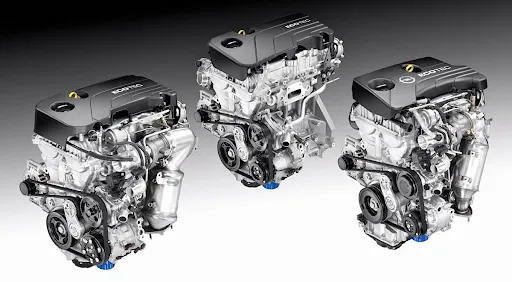
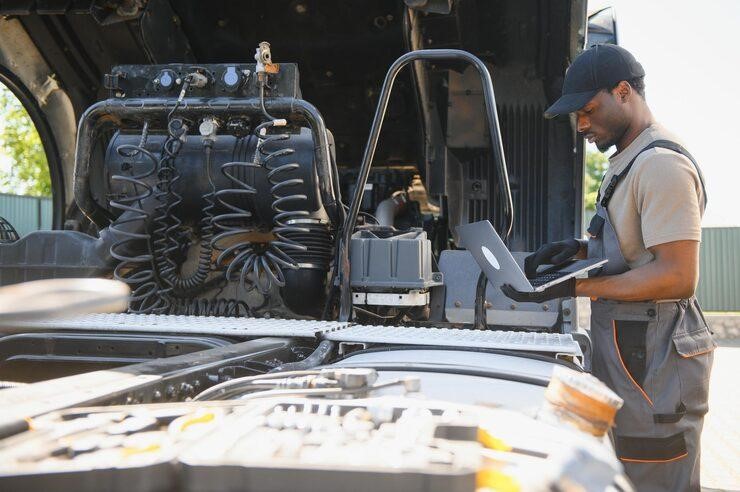
Incorrect gearing can cause sluggish towing, excessive shifting, and inconsistent acceleration on inclines. When a ratio does not match trailer weight, the engine may operate outside its torque peak, causing unnecessary RPM spikes. This reduces fuel efficiency, increases drivetrain stress, and shortens the life of components like differentials and torque converters. Selecting the correct gearing prevents long-term wear, ensures dependable towing performance, and maintains smooth operation, protecting the transmission and other critical drivetrain parts during heavy-duty or extended towing.
Comparing 3.42, 3.73, and 4.10 Ratios
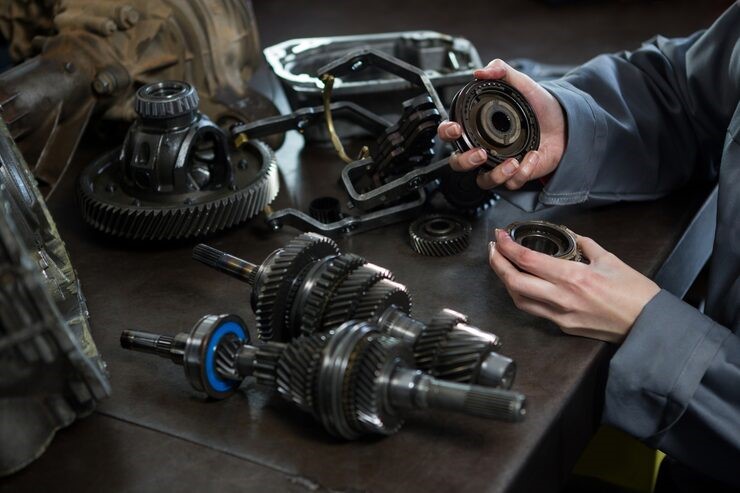
A 3.42 ratio emphasizes highway efficiency and works well for light towing or daily driving, using lower engine RPM at cruising speeds for quieter performance and better fuel economy. But heavier trailers may trigger frequent downshifting on steep or high-altitude roads. A 3.73 ratio delivers stronger low-end torque without losing drivability, making it a solid middle-ground choice for trucks that switch between towing and commuting.
A 4.10 ratio maximizes pulling capability and helps maintain speed under heavy load. Its shorter gearing boosts torque multiplication, improving acceleration with large trailers and handling tough terrain. Off-road drivers and those towing near capacity often prefer 4.10 gears for better throttle response and steadier shift patterns. Understanding 3.42 vs 3.73 vs 4.10 helps owners choose the best axle ratio for towing.
Larger tires effectively reduce the functional axle ratio, causing sluggish performance unless compensated with a numerically higher gear. When trucks are fitted with oversized tires, the drivetrain must work harder, leading to slower acceleration, delayed shift points, and reduced torque delivery. To correct these issues, many drivers choose to regear, restoring factory shift patterns, proper throttle response, and balanced power output. Regearing ensures the engine and transmission operate efficiently and prevents long-term strain caused by mismatched tire and axle ratio combinations.
Selecting the Right Ratio for Your Needs
Choosing the correct axle ratio begins with considering trailer weight, terrain, and how often towing occurs. Drivers hauling above 7,500 lbs benefit most from 3.73 or 4.10 ratios, which keep the engine within its torque band and minimize downshifts on steep grades. These shorter ratios improve acceleration when merging or passing under load, reducing strain on the drivetrain. Understanding an axle ratio towing guide helps ensure the configuration matches real-world towing demands, delivering predictable performance on varied terrain.
Highway commuters who tow occasionally may prefer a 3.42 ratio to maximize axle ratio fuel economy. Modern 8- and 10-speed transmissions compensate for taller gearing with their tightly spaced shift points, making this ratio practical for mixed driving. Lighter trailers, small campers, and weekend towing typically pair well with 3.42, offering efficiency without sacrificing everyday drivability. However, drivers should still evaluate terrain and towing frequency before selecting the final ratio, as repeated heavy loads may require stronger torque multiplication.
Performance enthusiasts upgrading to larger tires or installing lift kits often need 3.73–4.56 ratios to restore factory drivability. Bigger tires reduce effective gearing, causing sluggish acceleration and erratic shift timing. Regearing corrects this imbalance by repositioning the engine within its power curve, improving throttle response and reducing transmission strain. Proper axle selection ensures the truck maintains efficient RPM levels while supporting larger wheels, performance modifications, and off-road use.
Houston Engines provides gearing recommendations that align with reman engines, remanufactured transmission packages, and towing setups. Their expertise helps match gear ratios to torque curves, ensuring long-term drivetrain reliability. Whether upgrading powertrains, towing heavy equipment, or reconfiguring tire sizes, their guidance ensures customers achieve the right balance between power, efficiency, and durability while maintaining warranty protection.
RPM, Fuel Economy, and Drivetrain Load
Higher axle ratios increase engine RPM, delivering improved torque and more consistent towing strength. This added torque helps maintain speed during climbs but typically reduces fuel economy during normal driving. Lower ratios reduce RPM, improving fuel consumption but requiring the transmission to work harder when towing. Balancing these factors ensures long-term drivetrain stability by preventing excessive clutch wear, converter slip, and heat buildup inside the transmission. Matching ratio choice to real-world driving conditions is key for dependable performance and for keeping the drivetrain operating within safe limits.
Modern multi-speed transmissions manage RPM more effectively than older units, allowing slightly taller ratios without sacrificing capability. However, towing performance still relies heavily on axle choice, especially under heavy load where torque demand increases sharply. Choosing the correct gearing reduces stress on both the engine and transmission, including used transmissions that may already have limited tolerance for sustained overheating. Drivers uncertain about RPM behavior or heat buildup should contact us for guidance on pairing gearing with their existing powertrain setup, ensuring reliability and proper load handling.
Optimize Your Truck for Towing or Daily Use
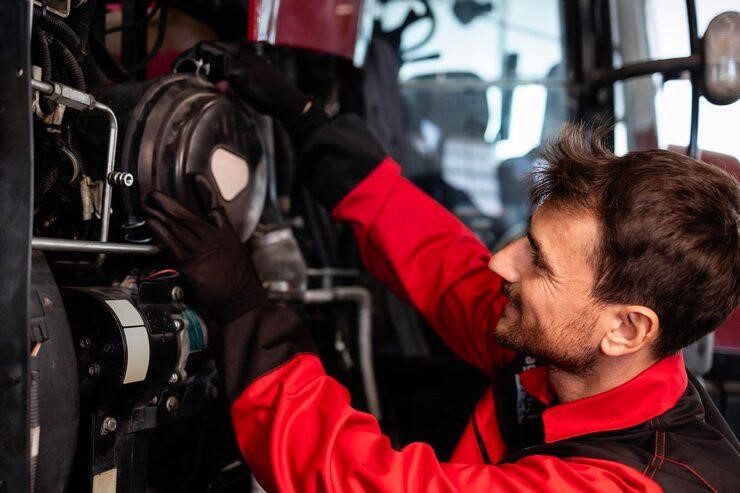
Drivers must match axle ratio selection with tire size, tow package specifications, and the engine’s torque curve to avoid unnecessary wear. Incorrect gearing places added strain on the engine and transmission, often resulting in premature component failure or reduced towing capability. Understanding how different ratios affect RPM, torque delivery, and shift patterns helps owners make informed decisions that improve drivability while protecting key parts over time.
Regearing becomes necessary after performance upgrades such as larger tires, superchargers, or a transmission replacement. These modifications change the engine’s operating range, requiring revised axle ratios to maintain proper shift spacing and consistent torque delivery. Without the correct adjustments, trucks may experience sluggish acceleration, overheating, and reduced towing confidence, all of which contribute to long-term drivetrain stress and shortened service life.
Monitoring RPM behavior and shift patterns is one of the easiest ways to identify gearing issues. Frequent downshifts, high cruising RPM, or weak acceleration under load usually signal an axle ratio mismatch. Evaluating these symptoms helps ensure the truck can meet towing demands without overstressing the transmission, differential, or engine, especially during long hauls or steep terrain.
Houston Engines provides expert guidance on axle ratio selection when supplying reman engines or remanufactured transmission units. Their recommendations help customers achieve the ideal balance of power, efficiency, and durability. Whether the goal is stronger towing performance, improved off-road capability, or better daily drivability, proper gearing ensures a reliable, efficient truck tailored to specific needs.
Get our latest news and promos
QUALITY ASSURED


SATISFACTION GUARANTEED

UNPARALLELED SUPPORT
Houston Engines
Proud Member



Social Media
Payments Accepted
Ship Via