
Mon - Fri: 8am - 5pm, Sat - Sun: Closed

6-36 Month Warranties
We Ship Local.
Hablamos Español.
Connect with
Engine Break-In Guidelines for First 500 Miles
Engine break-in procedure
Importance of Correct Engine Break-In Procedures
Every remanufactured engine requires a controlled break-in period to ensure maximum efficiency and longevity. During the first 500 miles or 10 operating hours, internal surfaces gradually seat through heat cycling and proper lubrication. This allows piston rings to seal correctly against cylinder walls and bearings to develop proper oil film clearances. Skipping this process can cause blow-by, low compression, and premature wear, reducing performance and durability.
Proper engine break-in also prevents cylinder wall glazing and ensures consistent compression across all cylinders. Using manufacturer-recommended oils and following guidelines establishes stable bearing clearances and thermal balance. Careful adherence supports long-term reman engine maintenance, factory-level performance, and reliable operation throughout the engine’s service life.
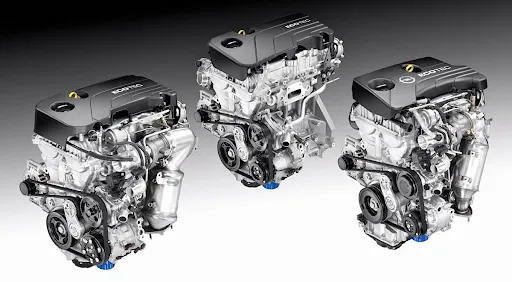

Engines should be operated under varied loads and RPM ranges instead of steady speeds during the initial break-in. Avoid extended idling or heavy throttle in the first few hours, while using gradual acceleration and engine braking to help piston rings seat naturally and oil flow stabilize across bearing surfaces. These controlled conditions promote an optimal engine seating process, prevent thermal stress on new components, and ensure long-term efficiency and reliability for remanufactured or new engines.
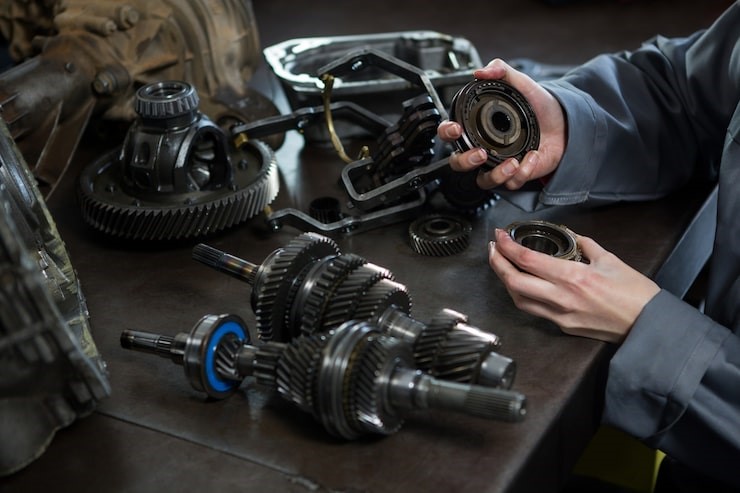
Before initial start-up, prime the oil pump manually and fill the crankcase with approved break-in oil. Start the engine and allow it to idle for 15–20 minutes to reach operating temperature while monitoring for leaks, pressure stability, and coolant flow. Do not let the engine idle for extended periods beyond this initial warm-up; instead, alternate between light throttle acceleration and gentle coasting to stabilize heat distribution and oil circulation. This method encourages gradual thermal expansion and seating without over-stressing components.
Throughout this phase, avoid constant RPM and maintain moderate throttle inputs to allow bearings and rings to adapt progressively. Varying engine load and speed helps prevent hot spots and improves lubricant film formation. Early attention to oil temperature and pressure readings ensures that the remanufactured engine stabilizes evenly across its moving surfaces, setting the stage for long-term reliability.
After the first 50 miles of operation, perform a new engine oil change and replace the filter. This flush removes fine metallic particles and assembly debris generated during initial seating. Using fresh break-in oil provides a clean lubrication environment for the remainder of the 500-mile break-in process, helping prevent premature wear, maintain stable oil pressure, and support proper piston ring and bearing seating. Adhering to this step is essential for achieving long-term reliability and optimal performance in a remanufactured or new engine.
Initial 50–500 Mile Engine Operation Window
Proper break-in of a remanufactured engine is essential for long-term performance and reliability. During the initial 50–500 mile operating window, keep engine speed below 3,500 RPM and avoid towing, heavy loads, or extended high-speed operation. Vary driving speed to encourage balanced component expansion and ensure consistent oil distribution throughout the engine. Avoid prolonged idling or cruise-control operation, as these conditions can prevent proper ring seating, reduce efficiency, and increase thermal stress on new components. Monitoring oil and coolant levels regularly allows early detection of any potential issues during this critical period, ensuring smooth operation and preventing long-term damage.
At 500 miles, perform a secondary engine oil and filter change. This step removes residual metallic particles and assembly debris generated during the initial seating process. Using the manufacturer-recommended oil at this stage stabilizes lubrication chemistry, supports the final seating of piston rings and bearings, and prepares the engine for full-duty service. Skipping this step can trap abrasive particles in the lubrication system, accelerating wear and compromising long-term durability.
Throughout the break-in window, avoid heavy throttle inputs and engine lugging. Gentle acceleration combined with frequent RPM variation allows piston rings to seat properly and bearings to establish correct oil film clearances without inducing thermal stress. Maintaining consistent oil pressure and monitoring all fluid levels are essential to achieving a successful break-in and preventing premature component wear.
Houston Engines provides each remanufactured engine with detailed instructions, operational guidelines, and lubricant recommendations to support proper break-in. Following these OEM-approved procedures ensures optimal engine performance, long-term reliability, and maintains warranty eligibility. Technicians and vehicle owners benefit from structured guidance to maximize engine efficiency and longevity, achieving factory-level performance from day one.
Engine Check and Inspection After Break-In
At the conclusion of the first 500 miles or 10 operating hours, a comprehensive post break-in inspection is essential to ensure the remanufactured or used engine operates reliably. Begin by checking all gaskets, hoses, and fasteners for leaks, loose connections, or signs of heat stress. Inspect the engine oil for metallic particles, and verify that oil pressure remains stable under normal operating conditions. Recording these readings confirms that the initial seating process for piston rings and bearings has completed successfully and that the engine is ready for regular service loads.
Further verification can be achieved through compression tests and visual inspection of spark plugs or injector patterns, which provide insight into proper ring sealing and combustion efficiency. Documenting these findings creates a service baseline for future maintenance intervals, helping track engine health over time. Properly completing post break-in inspections also supports warranty validation for remanufactured and used engine installations from Houston Engines. Following these procedures ensures optimal engine performance, long-term reliability, and confidence in the investment.
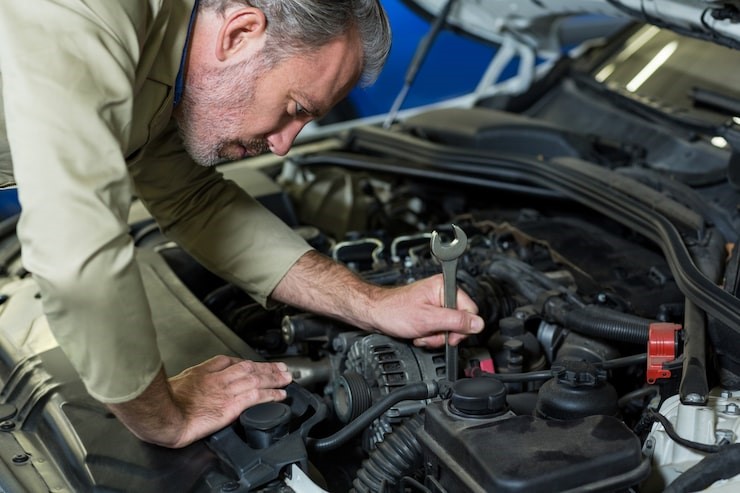
Long-Term Maintenance and Warranty Guidelines
Once the break-in period is complete, it is essential to switch to the full synthetic oil recommended by the manufacturer. This ensures consistent lubrication, thermal protection, and optimal performance across all engine components. Following factory-recommended oil change intervals is critical, but adjustments may be necessary for heavy-duty applications, including towing or commercial use. Proper oil management prevents carbon buildup, supports consistent engine operation, and helps sustain peak performance throughout the engine’s service life. Maintaining stable lubrication during regular operation also protects pistons, bearings, and rings, reducing the risk of premature wear and long-term engine damage.
Keeping detailed records of all oil changes, filter replacements, and routine inspections is crucial for warranty validation. These records demonstrate compliance with Houston Engines’ break-in procedures and provide a documented service history that can help resolve any future warranty claims. Regular monitoring of fluid levels, pressure, and temperature readings should continue throughout ownership to ensure engine integrity and early detection of potential issues.
Houston Engines requires documented proof of both break-in and ongoing maintenance for full warranty coverage. Their support team offers guidance on approved lubricants, inspection procedures, and record-keeping standards. Adhering to these practices ensures that remanufactured engines remain compliant with OEM requirements and continue operating at peak efficiency.
For technical assistance or guidance on break-in best practices, Houston Engines provides expert support. Their team helps vehicle owners and technicians maintain maximum engine performance, reliability, and long-term durability for all remanufactured or diesel engine installations.
Get our latest news and promos
QUALITY ASSURED


SATISFACTION GUARANTEED

UNPARALLELED SUPPORT
Houston Engines
Proud Member



Social Media
Payments Accepted
Ship Via