
Mon - Fri: 8am - 5pm, Sat - Sun: Closed

6-36 Month Warranties
We Ship Local.
Hablamos Español.
Connect with
What Must Match on a Hybrid Engine
Buying a Hybrid Engine
Why hybrid engine compatibility is more complex
Buying a hybrid engine is more complicated than replacing a standard gas or diesel engine because hybrid systems depend on precise interaction between the engine, hybrid transaxle, battery system, inverter, sensors, and control modules. A replacement engine may physically fit the vehicle but still fail electronically if the wrong harness configuration, sensor package, or emissions-related hardware is installed. That is why hybrid engine compatibility must be verified carefully before purchase or installation begins.
Hybrid engine what must match includes intake routing, EGR layouts, coolant outlets, throttle-body orientation, engine-mounted electronics, and transaxle integration. Even small differences can cause communication faults, startup problems, warning lights, drivability complaints, increased labor costs, and repair delays after installation, making proper verification essential for reliable operation.
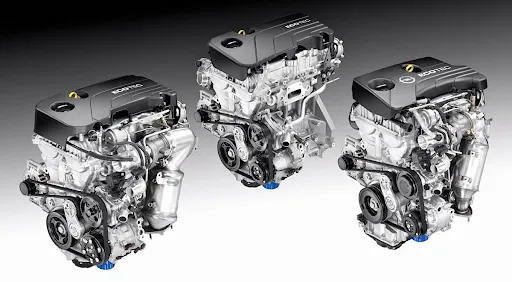
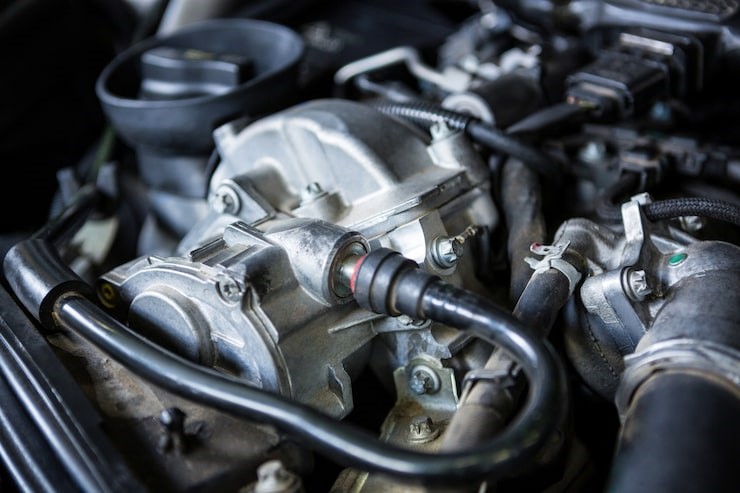
A proper hybrid engine ordering guide starts with identification and verification before price comparison. Buyers should confirm VIN compatibility, engine code, emissions family, and connector layout before committing to any purchase. A used engine that appears visually similar may still create installation problems if hybrid-specific hardware, mounts, or electronics differ from the original configuration. Following a structured hybrid engine swap checklist helps buyers avoid expensive mistakes and reduces the risk of ordering a replacement that creates calibration or communication issues after startup.
The critical items that must match first
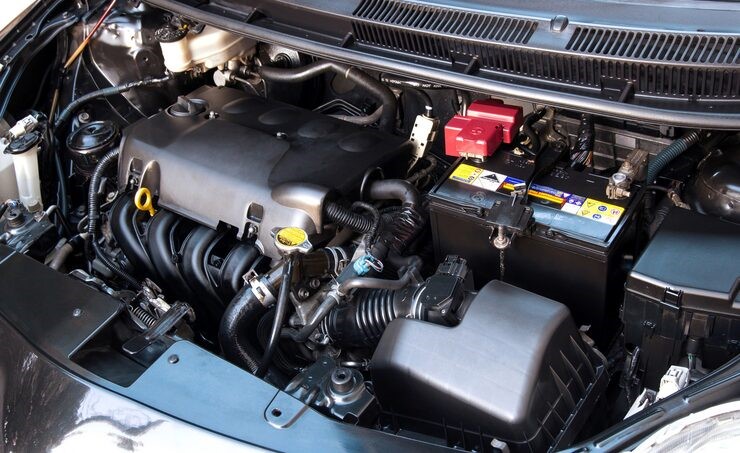
The first step in buying a hybrid engine is verifying VIN-based fitment, engine code, and emissions configuration. These identifiers confirm the exact hybrid variation required for the vehicle. After that, buyers should compare physical interfaces including engine mounts, intake manifolds, exhaust routing, throttle-body position, coolant outlet design, heater hose layout, and hybrid-specific brackets. Even small changes can cause installation delays or require unexpected parts transfers before the engine fits correctly.
Electronics are equally important during hybrid engine compatibility verification. Sensor count, connector style, harness branch routing, and actuator configuration must match the receiving vehicle. Hybrid systems are sensitive to mismatched sensors or incorrect control signals. A used engine may start and idle but still produce communication faults or hybrid warning lights if electronics are not compatible. Buyers should verify included components and required transfers before installation begins.
The safest ordering process combines documentation with physical verification. Buyers should request photos, donor information, and clear included-parts details before purchase. If the seller cannot confirm hybrid-specific components, harness layouts, or manifold configurations, the risk level increases significantly. A reliable hybrid engine ordering guide always prioritizes compatibility verification before pricing discussions because the wrong engine can cost far more in labor, downtime, and troubleshooting than any initial savings, making proper verification essential for successful installation.
Transaxle, cooling, and control-system concerns buyers miss
One of the most overlooked issues in buying a hybrid engine is transaxle compatibility. Hybrid engines are designed to work with specific motor-generator systems, flexplate arrangements, crankshaft interfaces, and mounting points. A replacement that appears mechanically correct can still create operational problems if it does not match the hybrid transaxle configuration. These differences may not become obvious until installation is complete and the vehicle refuses to enter ready mode or displays communication faults.
Cooling-system design is another major factor in hybrid engine compatibility. Hybrid vehicles often use dedicated cooling circuits for the inverter, battery support systems, or electronics in addition to the engine cooling loop. Incorrect thermostat housings, coolant outlets, or sensor locations can create overheating problems, poor coolant circulation, or thermal-management faults after startup. Hybrid engines operate under different load patterns than conventional engines, so stable cooling performance is critical to reliable operation.
Control-system integration is equally important. Hybrid control modules expect precise communication from engine-mounted sensors, throttle systems, and emissions hardware. A replacement engine with different connectors or incompatible sensor scaling may cause warning lights, drivability issues, or incomplete hybrid-system operation. Some problems can be corrected by transferring original components, while others require a completely different engine configuration to resolve properly.
Houston Engines recommends treating hybrid replacement projects as complete systems decisions rather than simple engine swaps. Buyers should verify donor information, harness configuration, transaxle pairing, and hybrid-specific component inclusion before ordering any used engine. Proper verification protects warranty coverage, reduces installation delays, and helps prevent the electrical or thermal problems that commonly occur when compatibility details are ignored. A careful hybrid engine swap checklist gives buyers more confidence before installation begins.
How to order the right hybrid engine
A reliable hybrid engine ordering guide begins with a detailed checklist. Buyers should verify VIN compatibility, engine code, emissions family, transaxle pairing, harness routing, sensor configuration, intake layout, coolant outlets, and included components before approving the order. Requesting photos of the actual assembly helps confirm whether hybrid-specific brackets, manifolds, or connectors are included. If any critical detail is unclear, the order should pause until the information is verified completely. This step ensures correct fitment and reduces the risk of installation errors, saving time and avoiding unnecessary mechanical complications during replacement.
The best replacement is not automatically the cheapest option. The correct choice is the engine that matches the vehicle’s complete hybrid system with the fewest unknowns. Careful planning lowers installation risk, shortens downtime, and improves long-term reliability after startup. Houston Engines can help buyers compare options, review compatibility requirements, and identify the right used engine for the application. For additional fitment support or ordering assistance, contact us before placing the order so the replacement process starts with correct information and stronger warranty protection.

Hybrid engine ordering checklist that prevents mistakes
Start by verifying VIN fitment, engine code, and emissions configuration before buying a hybrid engine. Hybrid systems require exact compatibility, and matching only displacement or model year is not enough to guarantee proper installation or operation. This step ensures the correct hybrid variation is selected for the vehicle and helps prevent mismatched engine selection that can lead to performance issues or repeated installation work.
Compare all physical interfaces carefully, including mounts, manifolds, coolant outlets, sensor locations, throttle-body position, and hybrid-specific brackets. Small differences in these areas frequently create major installation delays and hybrid engine compatibility problems after delivery. Even slight variations can affect alignment, wiring access, or cooling flow, which may require additional modifications before the engine can be installed correctly.
Clarify what parts are included with the used engine and what components must transfer from the original assembly. Long blocks, partial assemblies, and complete packages each create different labor requirements and different risks if reusable parts are damaged or missing. Knowing exactly what is included helps avoid unexpected costs and reduces downtime during the swap process.
Use a complete hybrid engine swap checklist before ordering any replacement. Verifying electronics, cooling systems, transaxle compatibility, harness layouts, and included hardware protects warranty eligibility, reduces troubleshooting time, and helps ensure the replacement engine works correctly from the first startup forward. Careful planning at this stage improves reliability, lowers installation risk, and ensures the hybrid system operates smoothly after completion.
Get our latest news and promos
QUALITY ASSURED


SATISFACTION GUARANTEED

UNPARALLELED SUPPORT
Houston Engines
Proud Member



Social Media
Payments Accepted
Ship Via