
Mon - Fri: 8am - 5pm, Sat - Sun: Closed

6-36 Month Warranties
We Ship Local.
Hablamos Español.
Connect with
Diesel Winterization and Maintenance Guide
Cold weather diesel prep
Cold-Weather Challenges Every Diesel Engine Faces
During cold weather, diesel engines face increased resistance due to thickened fuel, slower oil circulation, and reduced cranking speed. These factors make starting more difficult and place additional stress on critical components such as injectors, glow plugs, and starter motors. Without proper preparation, operators risk hard starts, excessive wear, and unplanned downtime, which can be costly and preventable.
Implementing preventive measures ensures reliable ignition, smooth operation, and fewer maintenance issues during freezing temperatures. A proactive cold-weather diesel preparation plan benefits both fleet operators and single-truck owners. Understanding how low temperatures impact combustion, lubrication, and engine performance allows for timely adjustments, helping maintain consistent reliability, protect engine longevity, and reduce winter-related operational disruptions.
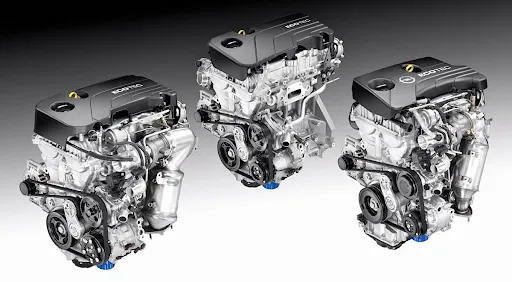

To prepare a diesel engine for cold weather, use winterized fuel blends, run block heaters overnight, and keep batteries fully charged before operation. Conduct routine pre-start inspections and check all fluid levels to ensure proper engine readiness. These preventive steps help avoid hard starts, reduce mechanical stress, and protect critical components. By following these practices, operators maintain reliable engine performance, minimize downtime, and ensure long-term diesel durability during freezing temperatures, supporting both fleet and single-truck reliability.
Fuel System Winterization and Protection

Fuel system reliability in cold weather starts with preventing gelling and ice formation. Diesel fuel contains paraffin wax that can solidify in subfreezing temperatures, clogging filters and restricting flow. Using a high-quality anti-gel additive ensures fuel remains fluid, allowing smooth delivery to injectors even during extreme cold. Refueling at the end of each workday helps reduce condensation buildup, which can cause water contamination and line freezing overnight, protecting engine performance and start reliability.
Proper winter diesel maintenance also involves keeping the fuel system clean and moisture-free. Replace filters regularly and use a reliable water separator to safeguard injection components. Combining quality fuel with additive treatment prevents many cold-weather failures, supporting consistent engine operation. These proactive steps help fleets and single-truck operators avoid downtime and costly repairs while maintaining dependable performance when temperatures drop.
Before starting a diesel engine in freezing weather, inspect fuel filters and drain any water from separators. This routine prevents ice and water from reaching injectors, protecting them from damage and ensuring reliable combustion. Regular attention to fuel system components reduces cold-weather failures, supports dependable engine starts, and maintains smooth operation in subfreezing conditions. By performing these checks consistently, operators safeguard engine longevity, prevent downtime, and keep diesel equipment running efficiently throughout harsh winter conditions.
Block Heaters and Glow Plug Care
Consistent block heater use is the single most effective way to prevent winter starting problems in diesel engines. A block heater warms engine coolant and oil before ignition, reducing internal friction and allowing the engine to crank more efficiently in freezing temperatures. Plugging in the heater several hours prior to startup ensures optimal cranking speed and protects the starter motor from excessive load. In extremely cold climates, timers can automate block heater operation, maintaining readiness while minimizing energy consumption. Proper block heater use improves cold-weather reliability and extends engine life, making it a critical step in winter diesel preparation.
Glow plug systems also play a vital role in cold starts. Regularly checking resistance values and replacing any plug below manufacturer specifications ensures even combustion. Failing or weak glow plugs can lead to extended cranking times, uneven ignition, and additional strain on the battery, all of which increase wear on engine components. Proper glow plug maintenance reduces these risks, supporting smooth, efficient starts and consistent operation during harsh conditions.
Avoid continuous cranking when starting in extreme cold. Instead, use short, controlled bursts with adequate rest intervals to prevent overheating and protect both the starter motor and battery. This practice also helps maintain proper electrical system function and reduces the likelihood of starter failure or engine wear caused by excessive load during prolonged cranking.
Houston Engines ensures every remanufactured engine is tested for compression and cold-weather reliability. Each used engine and diesel engine undergoes thorough inspection to guarantee consistent performance in low temperatures. Combined with diligent block heater use, proper glow plug maintenance, and careful cranking techniques, these measures provide dependable starting, protect internal components, and minimize maintenance issues throughout the winter season. Following these best practices ensures long-term diesel engine reliability and peace of mind in freezing conditions.
Winter Diesel Engine Storage Best Practices
Proper winterization is essential for diesel vehicles and equipment stored during the off-season to prevent fuel system issues, battery damage, and internal component wear. Always fill fuel tanks completely to minimize air space, reducing condensation and microbial growth. Add a quality fuel stabilizer to preserve diesel quality throughout storage. Disconnect batteries to prevent parasitic drain, ensuring reliable starts and long-term battery health. These measures protect injectors, fuel lines, and other critical components from moisture-related damage and corrosion.
Additionally, running stored engines at least once per month is critical for maintaining reliability. Regular startups circulate oil, keeping bearings, injector components, and seals properly lubricated, while also verifying coolant protection levels. This routine prevents internal corrosion, preserves lubrication effectiveness, and reduces the risk of costly spring repairs. Combining proper fuel treatment, battery care, and periodic engine operation ensures that diesel engines, remanufactured engines, and used engines from Houston Engines remain ready for dependable operation after extended winter storage, safeguarding performance and longevity.

Seasonal Diesel Engine Maintenance Schedule
Developing a comprehensive winter maintenance routine is essential for ensuring long-term diesel engine health. Begin by switching to winter-grade oil and coolant that are specifically formulated for subfreezing temperatures. These fluids maintain proper viscosity, provide reliable lubrication, and prevent internal corrosion during cold-weather operation. Record every service date, along with any performance irregularities during cold starts, to catch potential issues early and prevent costly repairs. Maintaining consistent documentation also supports fleet accountability and helps identify recurring problems before they escalate.
Monitoring glow plug cycles and electrical draw is critical for reliable engine starting. Check that heating elements and batteries are functioning efficiently, as slow cranking or delayed ignition indicates the need for inspection. Regular attention to these components ensures dependable starts, reduces stress on the starter, and protects injectors and other sensitive parts during extreme temperatures. Performing these checks consistently throughout the winter season minimizes downtime and keeps engines running smoothly.
Keeping detailed logs of all winter diesel maintenance and inspections is another key step. Accurate records help technicians track trends, plan preventive service, and maintain compliance with warranty requirements. This level of diligence is particularly important for fleets, where reliability and accountability directly impact operational efficiency.
Houston Engines provides tailored seasonal preparation guides and approved fluid specifications for every remanufactured diesel engine application. For technical guidance, fluid recommendations, or step-by-step winter maintenance instructions, contact our expert team. Following these procedures ensures optimal engine performance, preserves investment, and maintains long-term reliability throughout even the harshest winter conditions.
Get our latest news and promos
QUALITY ASSURED


SATISFACTION GUARANTEED

UNPARALLELED SUPPORT
Houston Engines
Proud Member



Social Media
Payments Accepted
Ship Via