
Mon - Fri: 8am - 5pm, Sat - Sun: Closed

6-36 Month Warranties
We Ship Local.
Hablamos Español.
Connect with
Compression Loss Explained the Right Way
Compression Loss Causes
Why low compression needs cause-based diagnosis
Low compression does not automatically mean an engine requires replacement. Compression loss may occur through piston rings, damaged valves, or a failing head gasket, and each condition requires a different repair strategy. Two engines can show similar compression readings while having completely different internal sealing problems. Proper diagnosis must determine exactly where compression is escaping before major repairs are approved.
Low compression engine diagnosis should combine compression and leak-down testing with operating symptoms such as smoke color, coolant loss, crankcase pressure, cold-start behavior, idle quality, and cylinder contribution. This approach helps technicians separate bad rings vs burnt valves or identify head gasket compression loss more accurately while preventing unnecessary engine replacement and improving repair confidence.
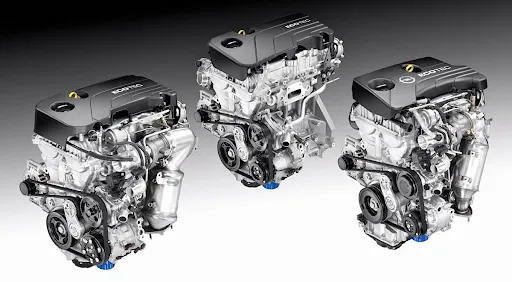
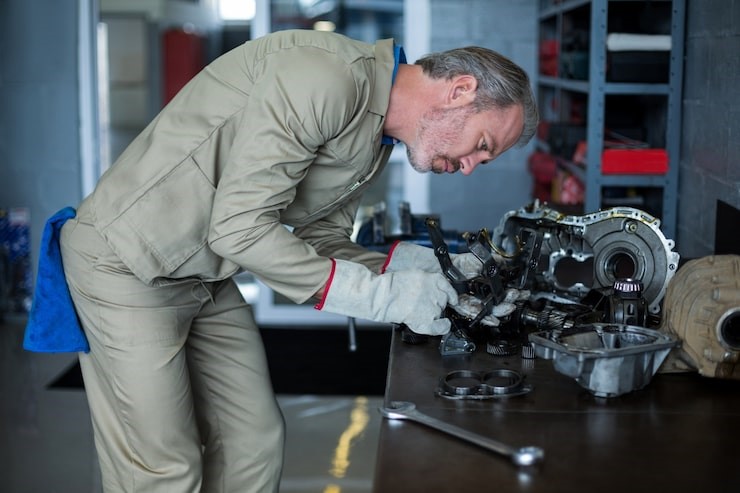
The goal of compression testing is not simply identifying a weak cylinder—it is understanding why that cylinder is weak. Replacing an engine because of an isolated burnt valve wastes money, while ignoring serious ring wear in a work truck may lead to excessive oil consumption, blow-by, and eventual failure under heavy load. A careful diagnostic process begins by identifying whether compression loss affects one cylinder, multiple cylinders, or adjacent cylinders before narrowing the cause through additional testing and inspection procedures.
How rings, valves, and head gaskets fail differently
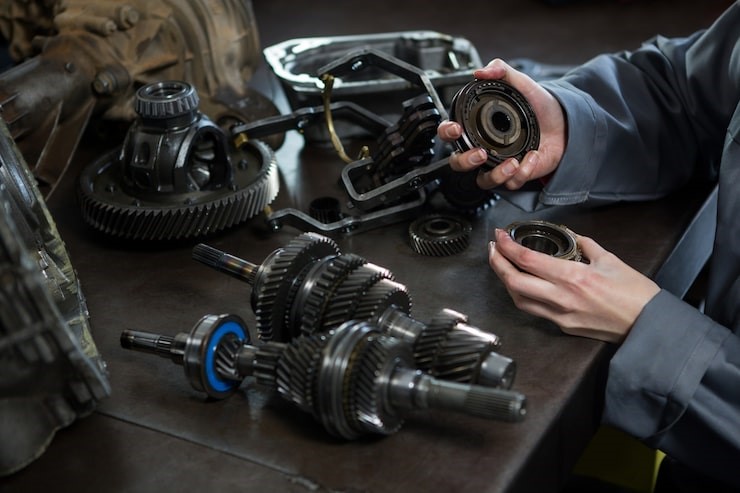
Worn piston rings usually create crankcase pressure, oil consumption, and compression readings that improve during a wet compression test because added oil temporarily seals the cylinder walls. Burnt valves or poor valve sealing typically show little improvement during wet testing because the leak path remains above the piston. These issues often cause rough idle, misfires, or leakage heard through the intake or exhaust during leak-down testing. Head gasket compression loss frequently creates coolant loss, cooling-system pressure buildup, or compression problems affecting neighboring cylinders.
Each type of compression failure leaves a different symptom pattern. Ring problems affect oil control and blow-by pressure, valve failures affect combustion sealing and airflow, and head gasket failures often connect combustion chambers to coolant passages. Matching symptom patterns with test results creates a more reliable diagnosis than assuming every low-compression engine requires replacement.
Compression pattern matters just as much as the actual numbers. A single low cylinder may point toward a localized valve, piston, or ring issue, while two adjacent low cylinders combined with coolant symptoms raise stronger suspicion of head gasket compression loss. A complete cylinder bank reading low may indicate timing-related problems or widespread engine wear. The safest diagnostic approach treats compression readings as part of a larger pattern rather than relying on one isolated number to determine the repair direction.
The tests that separate one failure from another
The diagnostic process should begin with a dry compression test performed consistently across every cylinder. Battery condition, cranking speed, throttle position, and test duration should remain as consistent as possible so the readings can be compared accurately. If one or more cylinders test low, the next step is usually a wet compression test. By adding a small amount of oil into the weak cylinder before retesting, technicians can determine whether temporary ring sealing improves compression significantly. Large improvement usually points toward ring wear or cylinder-wall sealing issues.
If compression readings remain low after wet testing, the problem is more likely located above the piston. A leak-down test then becomes the most useful tool for identifying the leak path. Air escaping through the oil fill opening usually points toward piston rings or cylinder wear. Air heard through the intake suggests intake-valve leakage, while air escaping through the tailpipe indicates exhaust-valve sealing problems. Bubbles inside the cooling system or airflow between neighboring cylinders raise concern for head gasket compression loss or cracked engine components.
Real-world operating symptoms should always support the testing process. Oil consumption, excessive blow-by, and smoky acceleration strengthen the case for worn rings. Rough idle and misfire without heavy oil consumption often support valve-related failures instead. Coolant pressure buildup, unexplained overheating, and coolant loss without visible leaks increase suspicion of head gasket problems. No single test should stand alone when the goal is making a reliable repair or replacement decision for a used or remanufactured engine.
Houston Engines recommends documenting compression readings, leak-down percentages, coolant condition, oil contamination, and cylinder-by-cylinder observations during engine evaluation. Detailed records improve low compression engine diagnosis accuracy, support warranty coverage evaluation, and help buyers avoid installing engines with hidden sealing problems that should have been identified before purchase or startup. Proper documentation also helps separate repairable top-end problems from broader internal wear requiring engine replacement.
When compression loss means replace, not repair
If compression loss appears across multiple cylinders, ring wear is widespread, or coolant-related damage has already affected the lower end of the engine, replacement may become the smarter long-term solution. This is especially true for towing applications, commercial trucks, or high-load work vehicles where weak compression quickly becomes a reliability problem under heavy operating conditions. Performing only a top-end repair on an engine with severe lower-end wear often delays the next major failure instead of solving the underlying problem completely.
If compression loss remains isolated and the rest of the engine tests well, repair may still make sense. However, the decision should always follow evidence rather than assumptions or optimism. Used-engine buyers, installers, and owners should treat unexplained compression loss as a major warning sign until the leak path is confirmed, the severity is documented, and the long-term reliability outlook becomes clear. Houston Engines encourages owners to contact us whenever compression symptoms begin affecting drivability, oil control, or cooling-system stability before further damage develops.
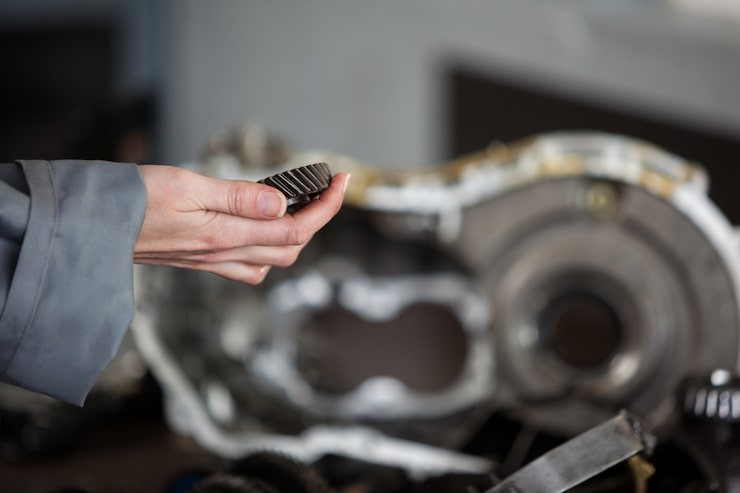
Compression loss diagnosis checklist that narrows cause
Begin with a complete cylinder-by-cylinder compression comparison instead of testing only one suspected cylinder. Pattern recognition is one of the fastest ways to separate isolated sealing problems from widespread wear or timing-related engine issues. Low compression affecting multiple cylinders often points toward broader mechanical concerns that require more extensive inspection and evaluation.
Use both wet compression test procedures and leak-down testing together whenever possible. Wet testing helps determine whether piston rings are contributing to the problem, while leak-down testing identifies exactly where the pressure escapes. Combining both tests creates a much more accurate diagnosis than relying on compression numbers alone. This process greatly improves confidence when separating bad rings vs burnt valves or identifying head gasket compression loss conditions.
Match compression data to real operating symptoms such as smoke, crankcase pressure, oil consumption, coolant loss, rough idle, or overheating history. Compression readings become far more meaningful when connected to how the engine actually behaves under startup, idle, and load conditions. Symptoms often confirm or weaken certain failure theories before major teardown begins.
Decide between repair and replacement based on overall engine condition, not hope alone. Isolated valve issues may justify targeted repair, while severe ring wear, coolant contamination, or widespread compression loss often make engine replacement the safer and more reliable long-term decision. Careful diagnosis protects buyers, installers, and owners from repeated labor, unexpected failures, and unnecessary expense while improving long-term durability and warranty coverage confidence.
Get our latest news and promos
QUALITY ASSURED


SATISFACTION GUARANTEED

UNPARALLELED SUPPORT
Houston Engines
Proud Member



Social Media
Payments Accepted
Ship Via