
Mon - Fri: 8am - 5pm, Sat - Sun: Closed

6-36 Month Warranties
We Ship Local.
Hablamos Español.
Connect with
Compression Test vs Leak-Down Test
Compression Test vs Leak-Down Test
Why these tests are not interchangeable
A compression test measures how much pressure a cylinder creates during engine cranking, while a leak-down test checks how well the cylinder holds pressure when compressed air is applied at top dead center. These procedures are not interchangeable because they diagnose different aspects of engine health. Compression testing is quick and useful for identifying weak cylinders during routine inspections or drivability troubleshooting.
Leak-down testing takes longer but provides more accurate details about internal sealing loss. A low compression reading confirms a weak cylinder, although it may not reveal the exact problem. Leak-down test explained results help identify whether pressure escapes through piston rings, intake valves, exhaust valves, or the cooling system inside the engine properly.
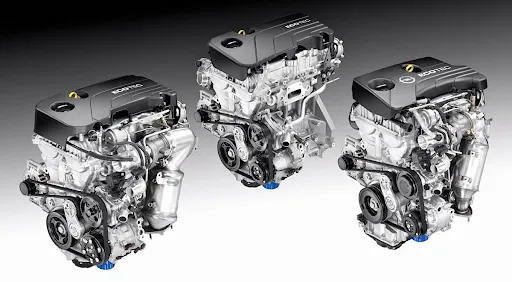
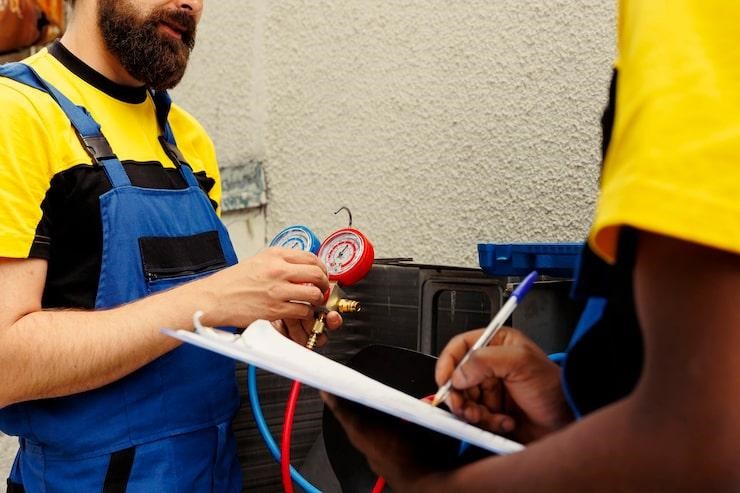
For used-engine evaluations, compression testing is usually the first step because it is quick, repeatable, and easy to compare across cylinders. Leak-down testing becomes more useful when low readings, oil consumption, coolant loss, or startup misfires need deeper investigation. Using both tests together provides a clearer understanding of overall engine condition than relying on either test alone. This combined approach helps reduce installation risk, improves diagnostic accuracy, and increases confidence before committing to costly repairs or complete engine replacement decisions.
What compression numbers really can and cannot prove
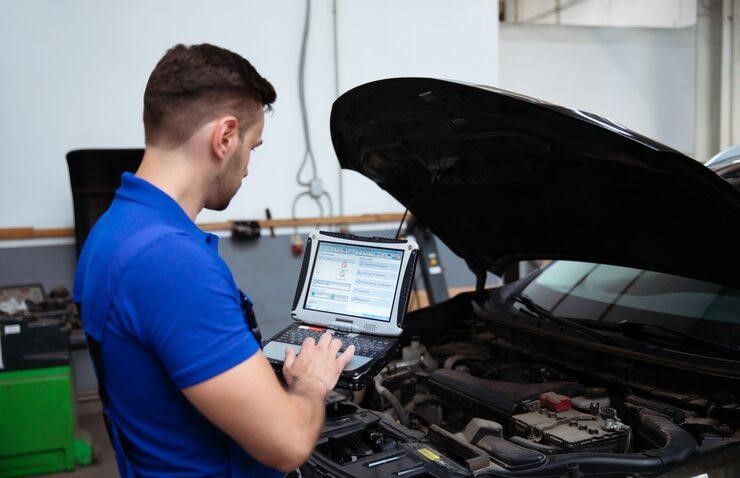
Compression testing is valuable because it quickly compares cylinder strength across the engine. Significant differences between cylinders often indicate sealing issues, timing-related problems, or mechanical wear. However, compression readings are affected by several variables, including battery condition, cranking speed, throttle position, valve timing, and overall testing procedure. A low reading does not automatically confirm severe bottom-end wear, and a strong reading does not guarantee perfect sealing under operating conditions.
That is why compression test engine diagnosis requires context. If compression improves noticeably after adding a small amount of oil during a wet test, ring sealing becomes more suspect. If the reading remains low, valve sealing or head-gasket problems move higher on the list. Compression testing works extremely well for quickly identifying weak cylinders, but it is not the best method for isolating the exact location of pressure loss.
Accurate compression testing depends on consistency throughout the procedure. The engine should be warm whenever possible, battery voltage must remain stable, throttle position should be correct, and each cylinder needs equal cranking time for reliable readings. Without controlled testing conditions, compression results can become misleading and affect diagnosis accuracy. Shops evaluating used engines should document test conditions, cylinder order, and supporting details alongside the readings. Proper documentation improves repair decisions and supports warranty-related evaluation if additional engine testing becomes necessary later.
Why leak-down testing usually finds the real cause
Leak-down testing provides more detailed fault isolation because it identifies where air escapes from the cylinder. Air heard through the oil fill opening typically points toward piston ring or cylinder-wall sealing problems. Air escaping through the intake system suggests intake valve leakage, while air heard through the exhaust indicates exhaust valve sealing issues. If bubbles appear in the cooling system, technicians may suspect a head-gasket failure or cracked component. This directional information makes leak-down testing one of the most useful diagnostic procedures for deeper engine analysis.
Leak-down testing becomes especially valuable during used-engine evaluation. An engine may show acceptable compression numbers while still having excessive ring leakage that later causes oil consumption under load. Similarly, moderate compression loss combined with obvious valve leakage can often be diagnosed far more accurately through leak-down testing than compression readings alone. This is why many technicians rely on both tests together rather than using compression testing as the only indicator of engine condition.
The procedure itself requires greater care and precision. The piston must be positioned correctly at top dead center on the compression stroke, and regulated air pressure must be applied consistently. If the crankshaft is not secured properly, the engine can rotate during testing and affect the results. Although leak-down testing takes longer, the detailed information it provides often makes the extra time worthwhile during important repair or purchasing decisions.
Houston Engines treats leak-down testing as an important fault-isolation tool during used engine inspections and repair planning. When combined with compression testing, borescope inspection, and operating history review, leak-down results help distinguish between normal wear and serious sealing problems that may lead to oil consumption, drivability complaints, or early engine failure after installation.
Which test should come first on a used engine
For most used-engine evaluations, compression testing should come first because it provides quick cylinder-to-cylinder comparison and fast screening value. If compression numbers are even and the engine history appears consistent, the engine may pass initial evaluation without additional testing. However, when one or more cylinders show weak readings—or when the engine shows signs of smoke, coolant loss, rough startup, or oil consumption—a leak-down test becomes the better next step because it identifies where sealing loss is occurring and helps explain the root problem more clearly.
The most effective strategy is using both tests together instead of treating them as competing methods. Compression testing gives the fast overview, while leak-down testing isolates the actual fault location. When buyers or shops want to reduce installation risk and avoid costly surprises, combining compression and leak-down results creates much stronger evidence than relying on a seller’s claim that the engine simply “tested good.” Houston Engines encourages a complete testing process whenever possible to improve confidence in used engine condition and support long-term reliability decisions.
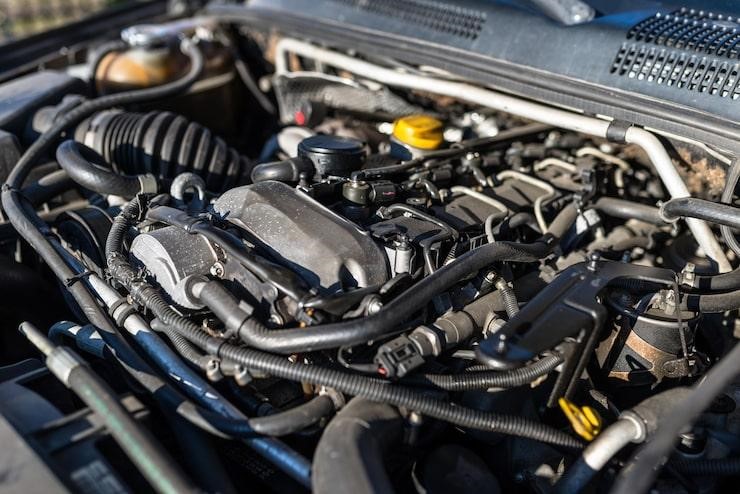
Best testing strategy before buying or installing
Start with compression testing when fast screening is needed across all cylinders. Compression numbers quickly highlight cylinder imbalance and help determine whether additional testing should be performed before approving the engine for installation or purchase. It is the first step in engine evaluation because it provides a quick snapshot of overall health and shows whether any cylinder is significantly weaker than the others.
Use leak-down testing after low compression readings, smoke complaints, coolant loss, or oil consumption symptoms appear. The main advantage of leak-down testing is its ability to identify exactly where sealing loss occurs rather than simply proving that pressure loss exists somewhere inside the engine. It helps pinpoint whether the issue is related to piston rings, intake valves, exhaust valves, or even head gasket problems. Contact us for professional engine testing guidance and diagnostic support.
Document both testing procedures carefully. Record cylinder order, testing conditions, pressure readings, wet-test results where applicable, and observations such as air escaping through the intake, exhaust, or crankcase during leak-down testing. Proper documentation strengthens diagnosis and supports warranty-related evaluation and long-term reliability assessment of the engine.
The strongest engine health testing strategy combines compression testing, leak-down testing, visual inspection, and operating history review. Together, these methods provide a more accurate picture of engine condition, help distinguish bad rings vs bad valves, and reduce the risk of installing a weak used engine based on incomplete information. This combined approach ensures more confident decisions before engine replacement or purchase and improves overall diagnostic accuracy in real-world repair situations.
Get our latest news and promos
QUALITY ASSURED


SATISFACTION GUARANTEED

UNPARALLELED SUPPORT
Houston Engines
Proud Member

Social Media
Payments Accepted
Ship Via