
Mon - Fri: 8am - 5pm, Sat - Sun: Closed

6-36 Month Warranties
We Ship Local.
Hablamos Español.
Connect with
CVT Replacement: The Reality Check
CVT Replacement Used vs Reman
Why many CVT replacement jobs fail twice
A CVT replacement can fail even when the unit itself is not defective. Many repeat failures occur because contamination remains in cooler lines, incorrect fluid is used, relearn procedures are skipped, or underlying valve-body and control-system issues are ignored. CVTs rely on precise fluid pressure, clean hydraulic circuits, and proper calibration, so success requires more than just swapping the unit.
Overlooking these steps can cause even a quality replacement to develop the same problems. CVT replacement used vs reman decisions must begin with accurate diagnosis and preparation. The lowest-cost unit does not eliminate risk, and a higher-priced option does not guarantee success if contamination or calibration issues persist. Understanding these factors prevents repeat failures and extra expense.
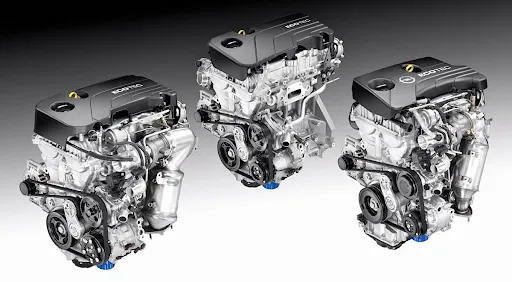

The most important factor in a successful replacement is addressing the entire system, not just the transmission. Contaminated fluid, overheating conditions, and unresolved electronic faults can all damage a replacement CVT. A proper plan includes verifying fitment, correcting root causes, and following correct setup procedures from installation through road testing. When these steps are properly handled, both used and reman options can perform reliably, but without them, even the best unit can fail prematurely, leading to repeated repairs and unnecessary expense.
Used versus reman CVT decision factors

A used CVT is often chosen for budget reasons and can be practical when mileage is verified, application compatibility is confirmed, and the donor unit shows no signs of internal damage or contamination. Buyers should check identification codes, review fluid condition, and ensure the specific CVT model has no known reliability concerns. Since prior operating history may be incomplete, used units require strong supporting-system maintenance to prevent unexpected failures.
A remanufactured CVT provides a more controlled solution when internal wear, heat damage, or known platform issues exist. Reman CVT vs used CVT comparisons often come down to risk tolerance. Reman units feature updated components, corrected tolerances, and improved durability in weak areas. While more expensive upfront, the lower repeat-failure risk and stronger warranty support make reman CVTs a better long-term investment for demanding applications.
Choosing between used and reman depends on how the vehicle will be used and how severe the original failure was. A lightly used vehicle with a minor failure may perform well with a properly verified used unit, while vehicles subjected to heavy use or severe failure conditions often benefit from the added reliability of a remanufactured option. The decision should reflect workload, budget, and the cost of potential downtime rather than focusing only on upfront pricing.
Common reasons replacement CVTs fail again
One of the most common causes of repeat failure in CVTs is leftover contamination in the cooling system. Metal debris from a failed CVT can remain in cooler lines or heat exchangers and circulate into the replacement unit if these components are not properly flushed or replaced. This residual contamination can damage internal components quickly, making it a leading factor in why CVT replacements fail, regardless of whether the unit is used or remanufactured. Proper contamination control is essential to prevent costly repeat failures and extend the life of the replacement transmission.
Fluid-related mistakes are another major contributor to repeat failure. CVTs require specific fluid types, precise fill procedures, and temperature-based level checks. Using the wrong fluid or skipping correct fill procedures can lead to pressure instability, slipping, and accelerated wear. Additionally, failure to complete relearn or adaptation processes can result in improper operation, drivability issues, and long-term damage. Attention to fluid specification and proper procedures is critical to ensure smooth operation and prevent early failure.
Electrical and control-system problems also play a key role in repeat failures. Issues with sensors, wiring, or the transmission control module can persist even after a replacement CVT is installed. If these problems are not properly diagnosed and corrected, the new unit may exhibit the same symptoms as the original. This underscores the importance of treating CVT installation as a system-level process, addressing all connected components rather than focusing solely on the transmission.
Houston Engines emphasizes a complete replacement approach that includes proper diagnosis, contamination control, correct fluid use, and calibration procedures. A successful CVT replacement depends on addressing all related systems and selecting a unit that aligns with the vehicle’s specific requirements. Whether choosing a used or remanufactured CVT, the goal is to reduce risk, prevent repeat failures, and ensure long-term reliability for demanding applications.
How to choose with greater confidence
The first step in how to choose a replacement CVT is understanding the cause of the original failure. If the failure involved overheating, heavy contamination, or internal component damage, a remanufactured unit is often the safer choice. These units provide updated components, corrected tolerances, and improved durability in known weak areas, reducing the risk of repeat failure. For lighter failures or lower-risk applications, a used CVT may be sufficient if it is carefully inspected, verified for compatibility, and installed using proper procedures. Matching the replacement choice to the type and severity of the original failure helps avoid unnecessary costs and repeated repairs while ensuring reliable operation.
Equally important is following a structured installation and verification process. This includes confirming part compatibility, using the correct fluid specification, cleaning or replacing contaminated cooling components, and completing all required relearn or adaptation procedures. Proper road testing and monitoring after installation ensure the CVT operates correctly under real driving conditions. For assistance in selecting the right CVT and achieving long-term reliability, contact Houston Engines for expert guidance and support.

CVT Replacement: Essential Confidence and Checklist
Begin by thoroughly diagnosing the original failure before choosing a replacement CVT. Contamination, overheating, and control-system issues all play a role in determining whether a used or reman CVT is the better option. Understanding the root cause of the failure is critical to preventing the same problem from recurring after installation. Without proper diagnosis, even a remanufactured engine or CVT can experience premature issues, so accurate assessment is essential.
A CVT replacement should never be treated as a simple swap. Proper cooler service, correct fluid selection, and completing all required relearn procedures are essential steps that directly impact reliability. Skipping these steps is one of the most common CVT installation mistakes, often leading to early wear, slipping, or drivability issues. Attention to these details ensures the replacement operates as intended.
When comparing reman CVT vs used CVT options, both cost and risk should be evaluated. While a lower upfront cost may seem appealing, repeated failures and additional repairs can make it more expensive over time. Remanufactured units and remanufactured engines usually offer updated components, corrected tolerances, and improved durability, along with stronger warranty support, making them ideal for demanding applications.
Supporting the replacement with a complete process is crucial. Verified fitment, contamination control, proper setup, and thorough post-installation testing ensure the CVT performs reliably under real-world conditions. For expert guidance in selecting the right replacement and avoiding repeat failures, contact Houston Engines to explore dependable solutions backed by warranty protection.
Get our latest news and promos
QUALITY ASSURED


SATISFACTION GUARANTEED

UNPARALLELED SUPPORT
Houston Engines
Proud Member



Social Media
Payments Accepted
Ship Via