
Mon - Fri: 8am - 5pm, Sat - Sun: Closed

6-36 Month Warranties
We Ship Local.
Hablamos Español.
Connect with
Diesel Coolant and Cavitation Control
Cavitation Control Diesel
Coolant Types and Cavitation Basics
Cavitation is a major concern in diesel engines, particularly under high load and extended operating cycles, as collapsing vapor bubbles can erode cylinder liners. Effective cavitation control diesel practices depend on proper coolant chemistry. Understanding diesel coolant ELC vs SCA ensures long-term engine durability. ELC coolants use organic acid technology for extended corrosion and cavitation protection, while SCA systems rely on nitrite additives. Both safeguard liners, maintain heat stability, and preserve coolant integrity.
SCA coolants require regular monitoring since nitrite levels diminish over time, increasing cavitation risk. ELC coolants provide longer service intervals and lower additive needs, ideal for fleets or heavy-towing engines. Proper selection and consistent testing protect liners and support reliable, predictable engine performance.
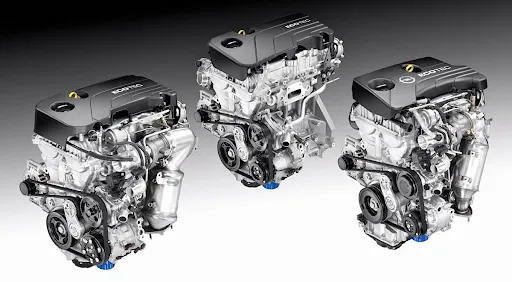
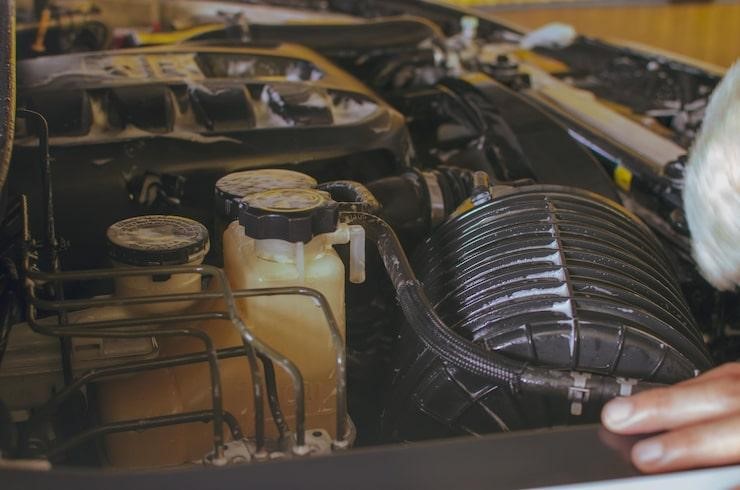
Choosing the right coolant type is essential for consistent, long-term cavitation protection. Both ELC and SCA coolants offer protective benefits, and using them correctly preserves coolant stability, prevents cylinder liner pitting, and supports overall engine performance. Proper coolant selection safeguards internal components throughout the diesel engine’s operational life, maintaining reliable operation under high load, extended cycles, and varying temperatures. Consistently monitoring and maintaining coolant ensures liners, pumps, and other critical parts remain protected, extending engine durability and preventing premature failures.
Testing Coolant for Proper Additive Levels
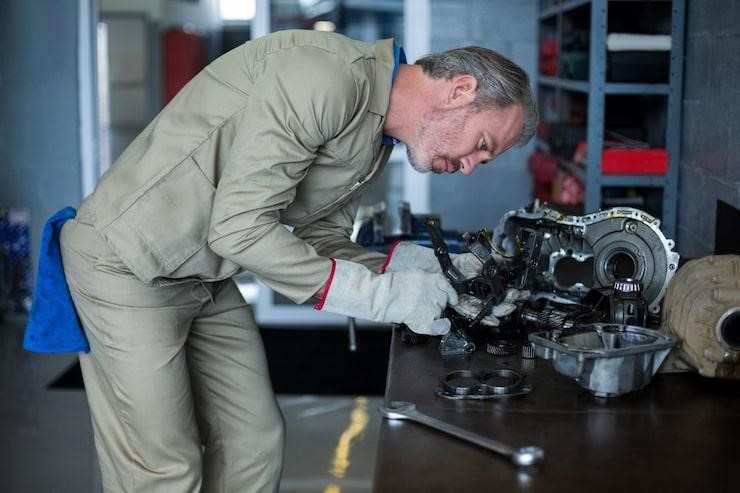
Monitoring coolant condition is a vital part of any diesel engine maintenance program. In SCA coolant systems, test strips help operators check nitrite levels and freeze points. Low nitrite concentrations increase the risk of cylinder liner pitting and reduce cavitation control under heavy-load conditions. Regular testing ensures the coolant maintains protective chemistry, supports heat transfer, and documents proper maintenance for warranty compliance. For ELC systems, fewer additives are required, but contamination, water dilution, and acidity must still be checked to preserve coolant integrity and system cleanliness.
Even with less frequent monitoring, ELC systems benefit from periodic testing. Verifying acidity, water quality, and potential contamination keeps corrosion inhibitors effective, prevents liner pitting, and avoids internal leaks. Maintaining correct coolant chemistry ensures consistent operating temperatures, reliable performance, and long-term protection for diesel engines.
Incorrect coolant mix ratios or neglected testing can reduce corrosion protection and shorten coolant life. Regular testing ensures ELC and SCA systems maintain their designed chemistry, preserving coolant integrity and preventing liner pitting, corrosion, or internal leaks. Proper maintenance protects the cooling system, supports consistent heat transfer, and safeguards critical engine components. By monitoring mix ratios, acidity, and contamination, operators ensure reliable engine performance, maintain cavitation control, and extend the lifespan of diesel engines while avoiding costly repairs and premature component failures.
Maintaining Cavitation Protection in Diesels
For SCA-based systems, maintaining proper nitrite levels is essential to preserving cavitation protection. Additives must be replenished at regular intervals to maintain chemical balance within the system. When levels fall too low, the liner becomes susceptible to erosion and coolant loss. Mixing ELC and SCA coolants should always be avoided, as chemical incompatibility leads to gel formation, severely limiting coolant flow. Gelled coolant restricts radiator circulation, increases engine temperatures, and may void the engine warranty due to improper maintenance. Keeping coolant chemistry stable prevents overheating and protects engine components during high-load conditions.
Engine manufacturers engineer coolant systems to work with specific chemical formulas. Adhering to these formulas is essential to maintaining cavitation control diesel performance across all applications. Periodic flushing removes scale, rust, and depleted additives that circulate within the cooling system. These deposits can decrease heater core efficiency, raise engine temperatures, and weaken cavitation protection. Whether operating a new or remanufactured engine, maintaining coolant purity extends component life, prevents hot spots, and helps maintain predictable performance in demanding conditions such as towing or extended idling.
Contaminants introduced into the cooling system accelerate coolant breakdown and reduce the protective capability of the additives. Water pump wear, restricted passages, and failing thermostats all contribute to localized overheating and bubble formation. Maintaining proper coolant flow and chemistry ensures stable temperatures and prevents cavitation-related liner damage. Proper coolant management also supports the long-term reliability of critical systems and helps preserve engine longevity.
Houston Engines provides every customer with recommended coolant types, additive guidelines, and long-term maintenance strategies tailored to their diesel platforms. These instructions support peak performance and preserve warranty coverage by ensuring coolant systems are maintained correctly. Whether operating commercial trucks, agricultural equipment, or specialty diesel vehicles, customers can always contact us for expert recommendations on coolant chemistry, service intervals, or compatible maintenance products for their specific application.
Monitoring Contamination and Heat Control
Contamination inside the coolant system is a serious issue that can accelerate internal wear in diesel engines. Oil, exhaust residue, or foreign material entering the coolant often indicates gasket damage or an internal breach. These contaminants disrupt coolant properties, accelerating corrosion and significantly weakening cavitation resistance. Monitoring coolant condition helps detect early signs of compromised components, allowing timely intervention. Proper heat control ensures the diesel engine maintains stable operating temperatures during towing, heavy load, or continuous operation. Preventive monitoring safeguards the cooling system and helps avoid costly repairs, protecting critical engine components.
Proper coolant flow is equally essential for managing heat under high-load or extended operating cycles. Restrictions in radiators, failing thermostats, or worn water pumps can increase temperatures and reduce circulation. Maintaining clean passages and using compatible coolant formulas improves heat transfer, reduces cavitation risk, and supports liner protection. Scheduled inspections and regular maintenance keep the cooling system operating efficiently, enhance engine reliability, and extend the service life of diesel engines in demanding applications.

Long-Term Coolant System Strategy
A reliable long-term coolant strategy starts with using OEM-approved coolants that include documented additive packages designed to prevent cylinder liner erosion. These engineered formulations provide corrosion resistance and support cavitation control diesel across varying temperature conditions. Using incorrect or incompatible coolants can create chemical imbalances, reduce heat-transfer efficiency, and may impact warranty eligibility, making proper selection critical for engine longevity and consistent performance.
Routine inspections of thermostats, water pumps, clamps, and hoses ensure consistent coolant flow and system pressure. Worn or failing components can lead to leaks or bypass issues, reducing cooling efficiency and increasing engine wear. Preventive replacement of these components helps maintain optimal heat management, protects internal engine parts, and supports long-term reliability.
Stored diesel vehicles require additional monitoring to prevent coolant degradation. Tanks and reservoirs must remain clean to reduce contamination, algae growth, and scale formation. Periodic testing after storage ensures that the coolant mixture retains its protective properties, including corrosion inhibition and cavitation control. Maintaining coolant integrity also helps preserve warranty coverage and ensures stable performance when the engine returns to operation.
Houston Engines provides expert guidance for long-term coolant system management across all remanufactured engine platforms. Technicians assist customers in selecting the correct coolant type, setting proper service intervals, and maintaining additive levels. For additional support on coolant selection, maintenance schedules, or testing procedures, customers can rely on Houston Engines for technical assistance and proven best practices.
Get our latest news and promos
QUALITY ASSURED


SATISFACTION GUARANTEED

UNPARALLELED SUPPORT
Houston Engines
Proud Member



Social Media
Payments Accepted
Ship Via