
Mon - Fri: 8am - 5pm, Sat - Sun: Closed

6-36 Month Warranties
We Ship Local.
Hablamos Español.
Connect with
Flushing Diesel Cooling Systems After Engine Failure
Diesel Cooling System Flush
Why Cooling Contamination Destroys Replacement Engines
After an engine failure, coolant systems can contain oil residue, metal debris, gasket material, and sludge trapped in radiators, heater cores, and hoses. If not removed, this coolant contamination after engine failure can compromise a replacement engine by blocking heat transfer, clogging passages, and causing localized overheating. Hot spots increase the risk of head gasket stress, warped surfaces, and accelerated wear, shortening the engine’s life.
Repeat failures often occur because the system looks clean at the overflow tank while debris remains in the radiator or heater core. Performing a proper diesel cooling system flush removes contaminants, restores coolant flow, and protects the replacement engine from early overheating, ensuring long-term reliability and preventing premature damage.
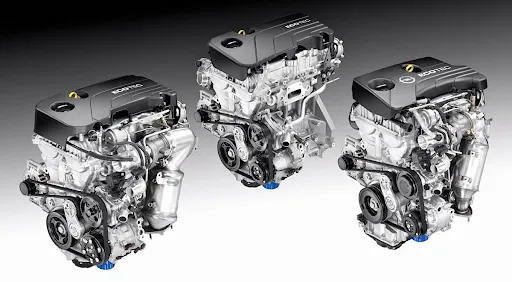
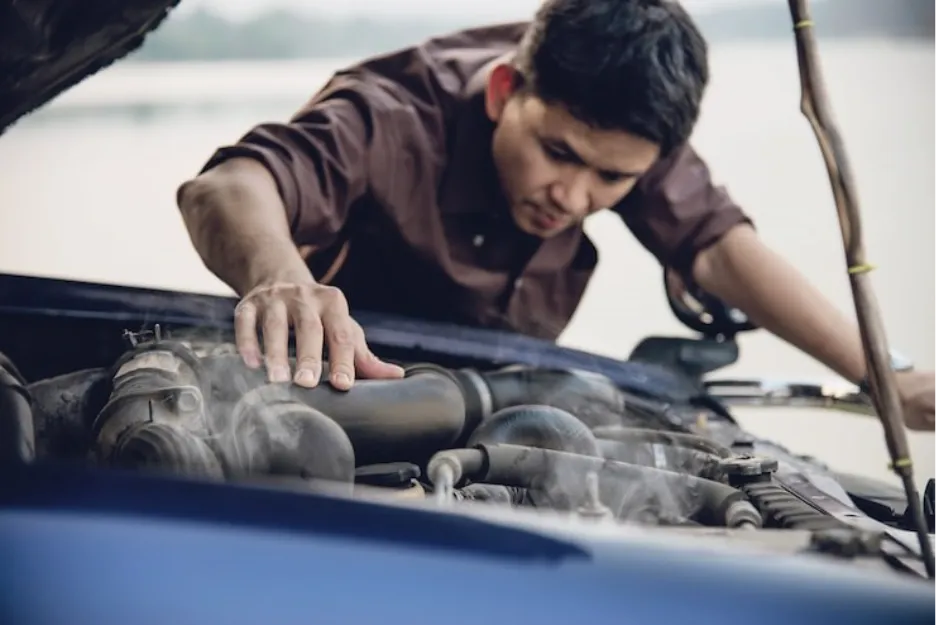
The core principle is simple: you can’t protect a new long block with a dirty cooling system. Oil residue reduces cooling efficiency, debris creates localized hotspots, and restricted flow drives temperature swings that damage gaskets and cylinder heads. A structured diesel cooling system flush removes contamination, restores circulation, and documents the correction to protect a remanufactured engine warranty. This step becomes even more important for trucks that tow regularly, where cooling systems operate close to their thermal limits during heavy-duty use.
Identifying What’s Contaminated and Why
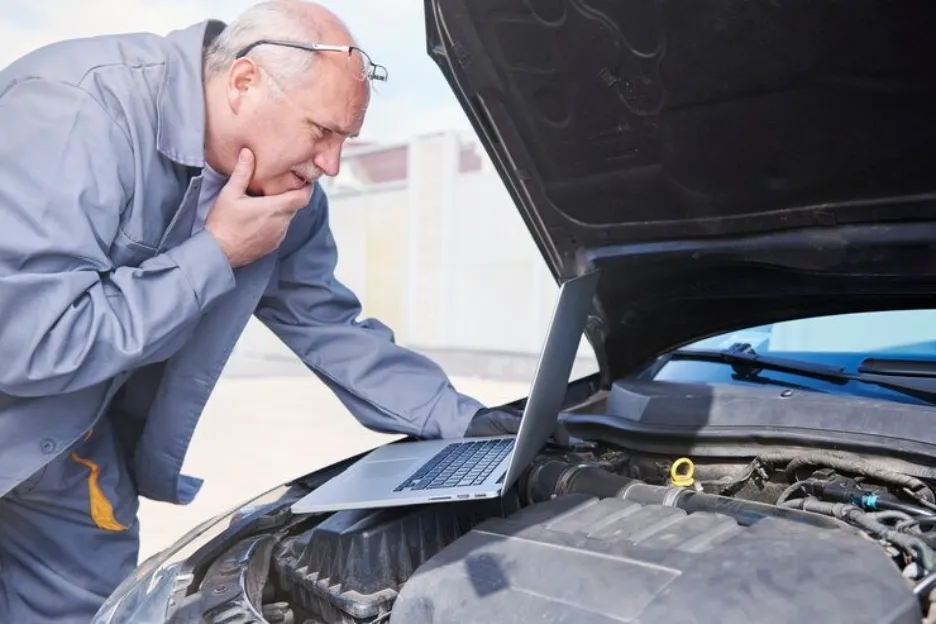
Common contamination sources in diesel cooling systems include oil cooler failures, head gasket breaches, cracked cylinder heads, and internal engine damage that introduces oil and combustion residue into the coolant. Oil in coolant diesel systems forms a thick film that coats passages and traps debris in the radiator and heater core. Once this residue develops, a simple drain-and-refill won’t remove it, and contamination continues circulating, reducing heat transfer and threatening critical components. Proper cleaning is essential to protect a replacement engine from early overheating or damage.
Inspection should include checking coolant color and texture, hose condition, and radiator and heater core flow. Look for oily film in the expansion tank or on hose interiors. Thermostat housings and coolant crossover areas should also be inspected. If the previous diesel engine overheated, assume sludge deposits exist and prepare for thorough system cleaning.
The best approach is identifying which components can be cleaned and which should be replaced. Some cooling system parts respond well to flushing, but others trap contamination internally. If a radiator or heater core remains restricted after cleaning, replacement is usually the safer option. Reusing contaminated components can allow residue to circulate, potentially damaging the replacement engine and compromising warranty protection. Prioritizing proper cleaning and selective replacement ensures the diesel cooling system functions reliably and protects the new engine.
Step-by-Step Flush Process for Diesel Trucks
Begin by draining the entire cooling system and removing the thermostat to allow coolant to circulate freely during cleaning. If the oil cooler is suspected or confirmed to have failed, it should be replaced before flushing begins. Performing a diesel cooling system flush without correcting the original source allows new coolant to pick up the same contamination again. In cases where the expansion tank is heavily stained or coated with sludge, removing and cleaning or replacing it prevents residue from reentering the system once fresh coolant is installed, protecting the replacement engine from early overheating.
Next, introduce a cooling system cleaner formulated to break down oil contamination and sludge buildup. Run the engine through controlled heating cycles according to product instructions so the cleaning solution circulates through the radiator, heater core, and engine block passages. After the chemical cycle, drain the system and perform repeated water flushes until the runoff is clear. This step is critical when addressing coolant contamination after engine failure, as oil film can remain in small passages even after the first flush.
During flushing, ensure coolant flows through the heater core by turning on the cabin heater. If flow is weak, perform a reverse or backflush procedure to remove trapped debris. Diesel systems often trap contamination in the heater core due to narrow passages. Restoring heater core circulation is vital because restrictions can reduce overall cooling system flow and contribute to overheating during heavy load or towing conditions.
After flushing, inspect the radiator, hoses, and coolant lines for signs of restriction or oil damage. Radiators can retain residue that continues contaminating the system even after several flushes. Hoses exposed to oil may soften or swell, increasing the risk of collapse or leaks. Houston Engines recommends documenting every flush step and any replaced components to protect warranty coverage on a used or remanufactured engine installation.
Refill, Bleed, and Verify Under Load
Once the cooling system is fully cleaned, reinstall a new thermostat and refill with the correct coolant type recommended for the diesel engine. Proper bleeding is essential because trapped air pockets can create localized hotspots and unstable temperature readings that mimic cooling system restrictions. Confirm that the heater produces steady heat and that the upper and lower radiator hoses display a normal temperature difference once the engine reaches operating temperature. Ensuring proper coolant flow through all passages, including the radiator and heater core, verifies that the diesel cooling system flush was effective and that contamination has been fully removed.
After refilling, perform a controlled road test while monitoring coolant temperatures under moderate load. The system should maintain stable readings without rapid spikes or fluctuations. Trucks used for towing or heavy-duty work should be tested carefully before returning to service. A stable cooling system protects head gasket sealing, reduces thermal stress on cylinder heads, and helps safeguard reman engine warranty coverage by preventing repeat overheating or contamination. Proper verification and testing ensure long-term engine reliability and performance.
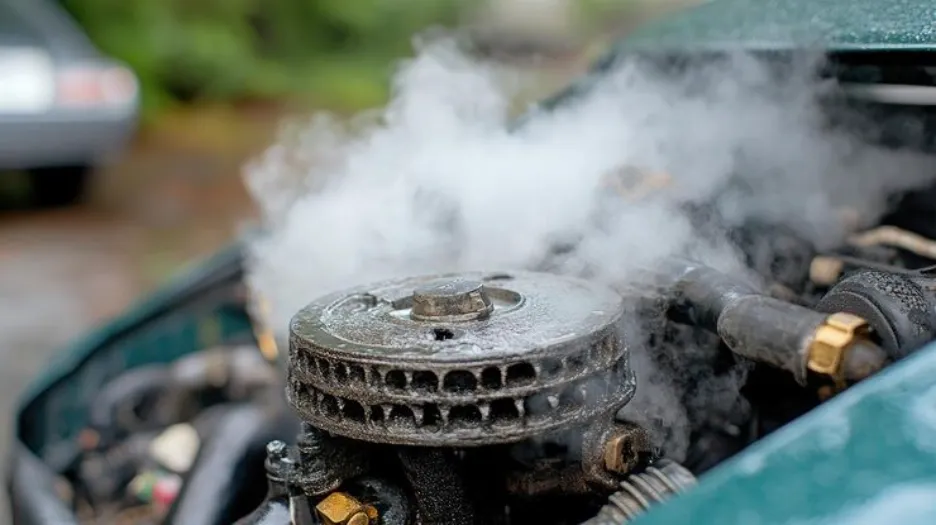
Post-Failure Cooling System Reliability Checklist
Remove the thermostat during cleaning cycles and always address the root cause of contamination first. Oil cooler failures are one of the most common reasons oil enters the cooling system, and performing a flush alone will not solve the problem if the original source remains uncorrected. Correcting the failure first prevents new coolant from picking up the same contaminants and protects the replacement engine from early overheating or damage.
Use a professional cleaner specifically designed to break down oil residue and sludge. Multiple flush cycles may be necessary before the system runs clear. Even a thin oil film left inside the radiator or heater core can reduce cooling efficiency and cause overheating once the diesel engine is under load. Proper circulation during cleaning ensures that all passages, including the heater core, are free from trapped contaminants.
Replace any components that continue to trap contamination after cleaning attempts. Radiators, expansion tanks, and hoses that have absorbed oil or sludge can release debris back into the coolant. If these parts remain restricted, they can quickly compromise the performance of a replacement diesel engine, increasing the risk of overheating or early component wear.
Finally, document the diesel cooling system flush process and confirm stable operating temperatures during a controlled road test. Proper records support warranty coverage for a remanufactured engine and verify that the system is ready for normal use. For assistance selecting the right diesel engine replacement or cooling components, contact Houston Engines for expert guidance.
Get our latest news and promos
QUALITY ASSURED


SATISFACTION GUARANTEED

UNPARALLELED SUPPORT
Houston Engines
Proud Member



Social Media
Payments Accepted
Ship Via