Mon - Fri: 8am - 5pm, Sat - Sun: Closed

6-36 Month Warranties
We Ship Local.
Hablamos Español.
Connect with
Diesel Injector Coding and IQA Setup
Diesel injector coding
Why Injector Coding Is Required
Modern diesel engines use electronically calibrated injectors that require precise coding after installation. Each injector has unique flow characteristics recorded by the manufacturer, and these identifiers must be entered into the ECU. Without proper coding, the fuel system cannot compensate for cylinder variations, causing rough idle, smoke, or hesitation. Correct injector coding ensures accurate fueling, stable cold starts, and smooth operation under varying loads. Performing IQA trim calibration is essential when installing a reman diesel engine or replacing injectors for long-term reliability and balanced performance.
Incorrect coding can cause fuel trims to drift, increasing emissions and affecting cylinder pressure. Proper coding stabilizes injection pulses, synchronizes injector output, improves drivability, reduces smoke, and protects engine components from uneven loading.
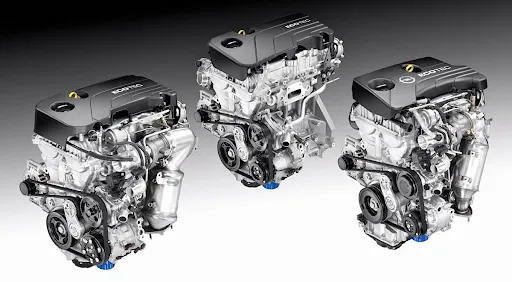
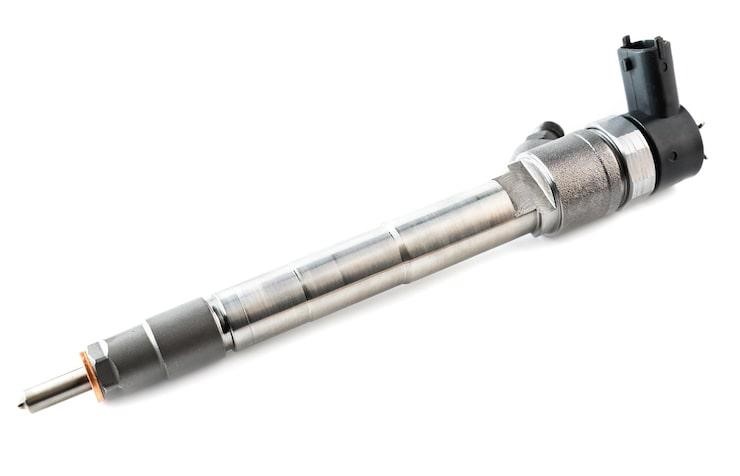
Uncoded injectors often trigger misfire codes, knock activity, and delayed cold starts as the ECU struggles to compensate for unknown injector data. This can lead to uneven combustion, poor engine performance, increased soot output, and added stress on piston rings and bearings over time. Ensuring each injector is correctly programmed improves fuel delivery, stabilizes combustion, and enhances overall engine efficiency. Proper coding helps prevent long-term damage, supports smooth operation under varying loads, and maintains reliability for both reman and replacement diesel engines.
Steps for Correct IQA/Trim Coding

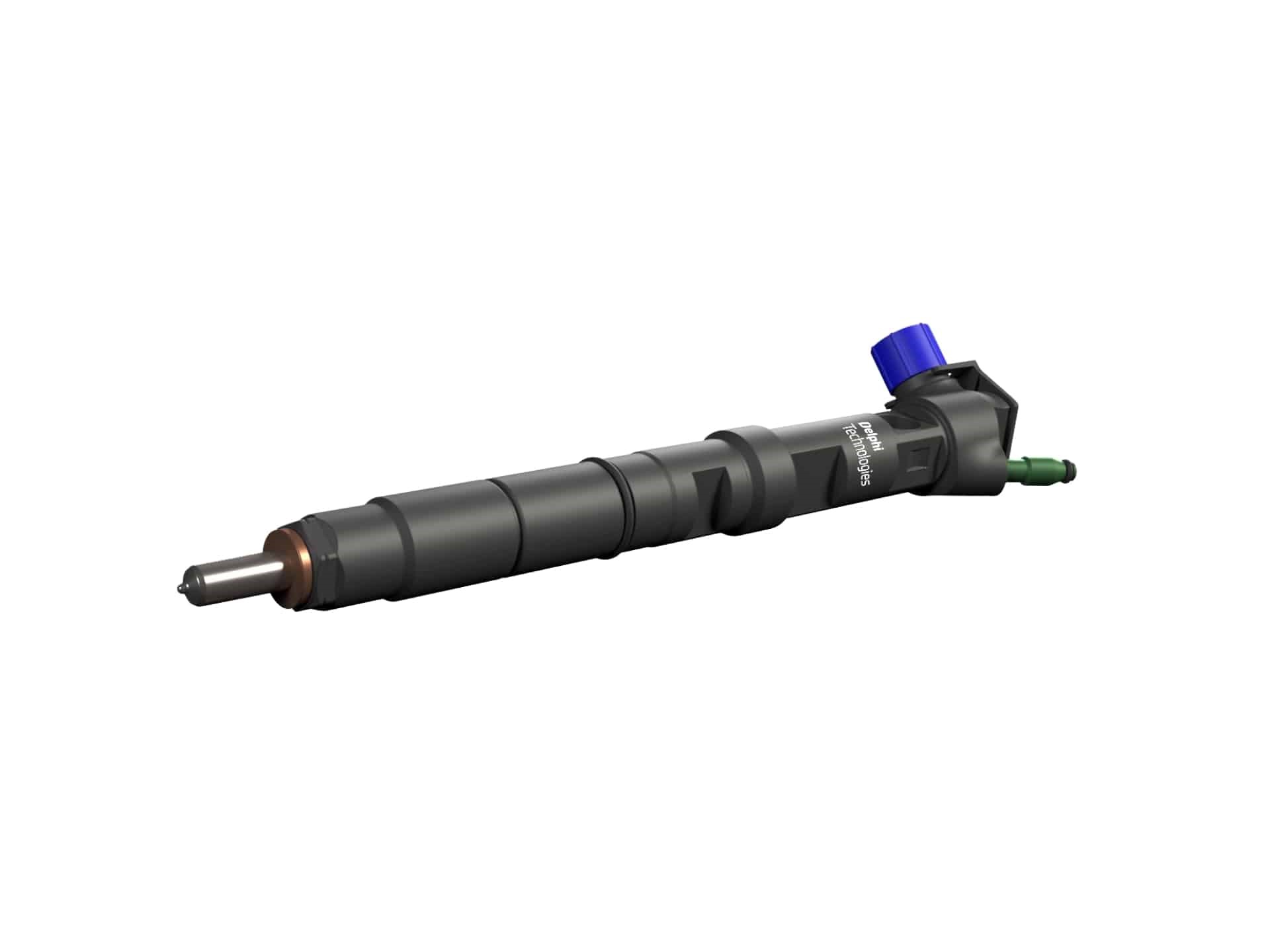
Begin by locating the calibration code on each injector, typically etched near the solenoid housing. Use OEM-level diagnostic platforms—such as Ford IDS, GM Tech2/MDI, or Cummins INSITE—to enter these values into the ECU. Maintain stable battery voltage and normal engine temperature during coding to prevent errors. Once entered, check for confirmation prompts or ECU communication errors. Accurate input ensures the ECU recognizes each injector’s characteristics and applies the correct fuel trim learn procedure, supporting long-term reliability.
Next, verify the ECU has accepted the coding without conflicts and perform a balance-rate check to ensure consistent fueling across all cylinders. This identifies injectors with incorrect trim values or installation issues, prevents uneven combustion, reduces smoke, and maintains emissions performance. Proper coding ensures stable injector operation and compatibility with reman diesel engines for reliable, smooth engine performance.
Improper tool use or entering trim codes into the wrong cylinder can cause immediate drivability issues. Misplaced values disrupt fueling balance, leading to rough running conditions, diagnostic faults, and potential performance problems. These errors may also affect Warranty eligibility, since incorrect programming can contribute to premature engine wear, failed regeneration cycles, and increased maintenance costs. Following proper procedures ensures accurate injector coding, preserves long-term reliability, maintains balanced combustion, and protects engine components from unnecessary stress, supporting smooth operation and consistent performance across all cylinders.
Common Coding Mistakes and Fixes
One common mistake during diesel injector coding is mixing injector order, particularly on inline-six engines where opposing banks appear similar. Without proper labeling, technicians may install injectors in the wrong cylinder location. This causes incorrect trim values and leads to rough idle, smoke, and unstable combustion. Labeling injectors before removal reduces the risk of mix-ups and ensures trim codes align with the correct cylinder positions.
Another frequent issue involves failing to reset old ECU trim data before entering new values. When outdated coding remains stored in the ECU, new injector entries may conflict with previous adaptations. This creates unstable fuel corrections and poor cold-start behavior. Technicians should clear all learned values and adaptation tables before beginning injector programming steps to prevent software conflicts. Resetting values ensures that the ECU uses the latest calibration data from the new injectors.
Weak batteries often interrupt the coding process, especially during long diagnostic sessions. When voltage drops, programming data may corrupt or fail to save, requiring the entire calibration process to be repeated. Using a stable power supply or battery maintainer helps prevent incomplete coding and protects trim information from corruption. Voltage stability is essential for consistent IQA trim calibration and smooth ECU communication.
Houston Engines offers detailed documentation to support technicians performing reman diesel injector setup. Guidance includes recommended scan tool settings, coding instructions, and verification steps to ensure proper injector alignment. Whether working on a Used engine or a full reman diesel engine, installers can rely on Houston Engines for accurate information, technical support, and clarification on coding procedures. This ensures injectors perform as designed and reduces the likelihood of repeat repairs.
Injector Post-Coding Verification Procedures Explained
After completing injector coding, perform a smooth-idle assessment to ensure the ECU applies the correct trim values across all cylinders. Properly coded injectors should deliver consistent RPM with minimal variation, reflecting balanced fueling. Conduct a cylinder contribution test to verify that each cylinder contributes evenly to the engine’s output. Stable readings during this test confirm that the calibration data has been applied correctly and that the injectors are functioning as expected. These checks are essential for maintaining combustion quality, preventing rough idle conditions, and ensuring optimal engine performance after installation or reman injector replacement.
Next, take the vehicle on a road test while monitoring balance rates through a diagnostic tool. Even fueling distribution supports controlled combustion, reduces premature injector wear, and minimizes soot generation. Maintaining stable balance rates across various load levels improves emissions performance and confirms the coding process was completed successfully. Consistent readings indicate that the ECU correctly recognizes the injector characteristics, ensuring smooth operation, long-term reliability, and efficient engine performance under all operating conditions.
Long-Term Maintenance and Warranty Tips
Use high-quality diesel fuel and replace filters at recommended intervals, as contaminants directly affect injector spray patterns and can disrupt coded calibration values. Poor fuel quality can negate the benefits of proper coding by introducing debris that alters injection output. Consistent maintenance protects injectors and ensures accurate fuel delivery during cold starts, high-load conditions, and long-term operation, supporting balanced combustion and smooth engine performance.
Document all programming steps, including screenshots or printouts of entered injector values and test results. Clear documentation supports Warranty claims and demonstrates that proper procedures were followed during installation. Accurate records also help diagnose future issues, verify that coding was completed correctly, and provide a reference for injector troubleshooting or replacement.
Avoid tuning, deleting, or modifying emissions components, as these changes alter injector demands and exceed the limits of factory calibration data. Modifications can cause trim values to shift outside safe ranges, resulting in excessive cylinder pressure, injector stress, and premature engine damage. Staying within OEM parameters ensures reliable long-term performance, consistent fueling, and reduced risk of costly repairs.
Houston Engines supplies emissions-compliant reman injectors and reman diesel engines with validated calibration data. Each unit undergoes thorough testing to ensure correct fueling, stable operation, and compatibility with reman or replacement engines. Installers and owners can contact Houston Engines for support, technical documentation, and Warranty details to maintain optimal reliability, efficiency, and long-term engine performance.
Get our latest news and promos
QUALITY ASSURED


SATISFACTION GUARANTEED

UNPARALLELED SUPPORT
Houston Engines
Proud Member



Social Media
Payments Accepted
Ship Via