
Mon - Fri: 8am - 5pm, Sat - Sun: Closed

6-36 Month Warranties
We Ship Local.
Hablamos Español.
Connect with
Direct Injection Carbon Buildup Explained
Direct injection carbon buildup
Why GDI Engines Develop Heavy Carbon
GDI engines spray fuel directly into the combustion chamber, leaving intake valves unwashed and highly susceptible to direct injection carbon buildup. Oil vapor from PCV systems settles on valve surfaces and hardens into deposits, restricting airflow and reducing combustion stability. These early carbon deposits cause drivability issues such as rough idle, hesitation, and decreased throttle response.
Turbocharged GDI trucks experience faster buildup due to higher intake temperatures and increased crankcase pressure. Left untreated, this affects idle quality, emissions, and overall efficiency. Regular GDI intake valve cleaning is essential to maintain proper airflow, consistent combustion, and long-term reliability, ensuring smooth operation, protecting engine performance, and preventing premature wear or efficiency loss in high-demand driving conditions.
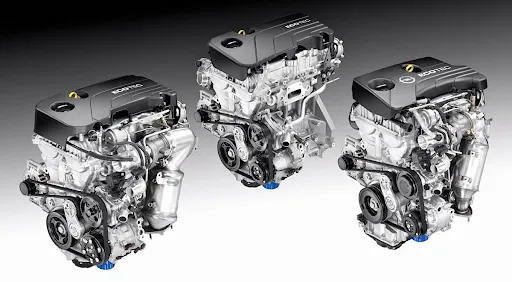
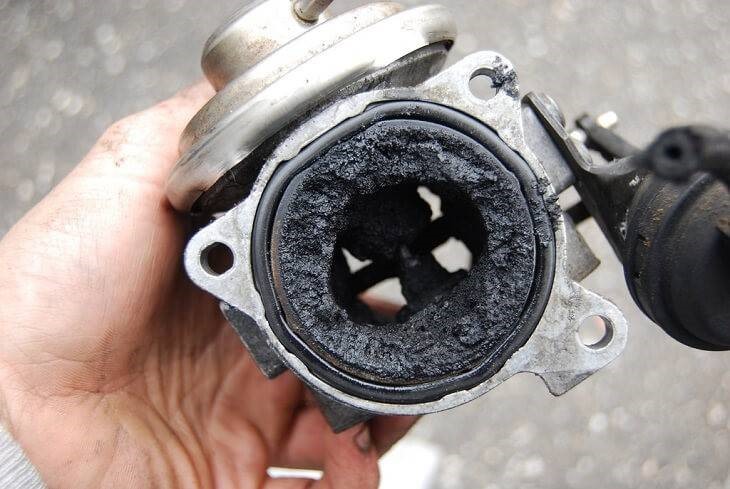
Carbon buildup in GDI engines typically becomes noticeable between 40,000–70,000 miles, particularly in short-trip or heavy-load applications where deposits form rapidly. Fuel does not wash over intake valves, allowing oil vapor and combustion byproducts to accumulate and harden into carbon layers. This restricts airflow, reduces combustion stability, and can cause drivability issues such as rough idle, hesitation, and decreased throttle response. Regular GDI intake valve cleaning is essential in these conditions to maintain engine performance, efficiency, and long-term reliability.
Symptoms Owners Should Watch For
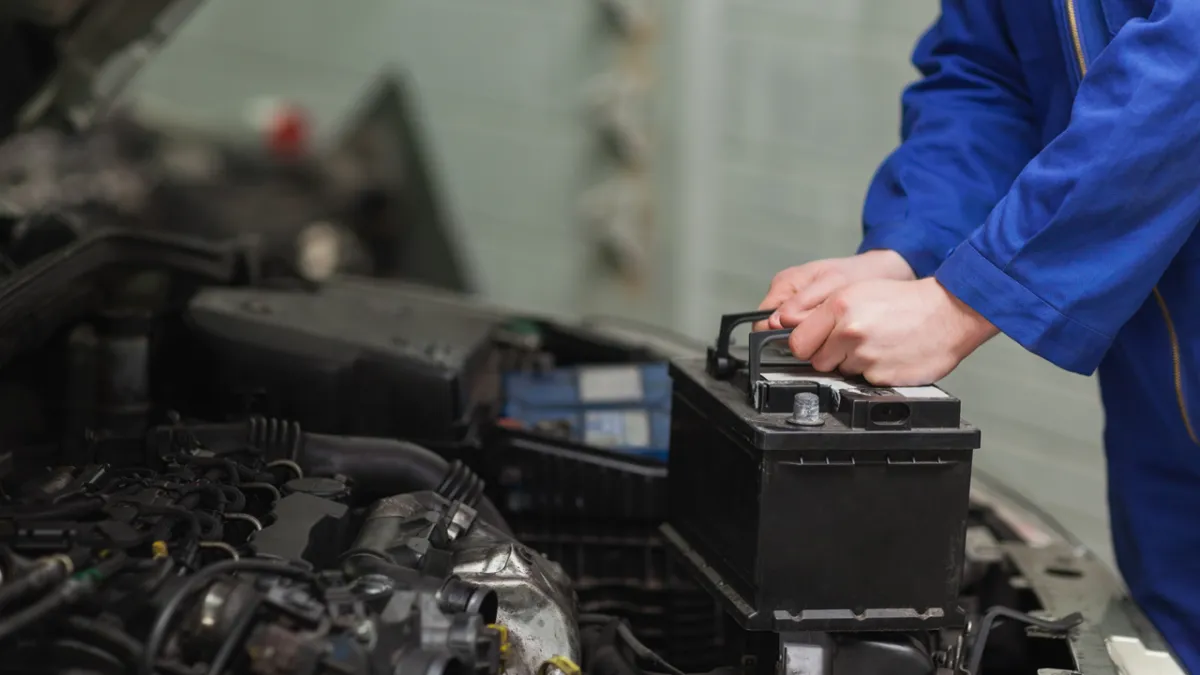
Early carbon deposit symptoms in GDI engines include hesitation, cold-start stumbling, loss of power, and reduced fuel economy. Drivers may also notice misfires as airflow becomes restricted around affected intake valves. These symptoms often appear gradually, becoming more noticeable in trucks used for short trips or heavy-load applications. Restricted airflow reduces combustion efficiency, affecting engine responsiveness, throttle performance, and overall drivability. In severe cases, trucks may struggle to start, idle roughly, or experience diminished towing capability due to compromised cylinder filling. Recognizing these early signs is critical for maintaining engine efficiency and avoiding costly repairs.
If hesitation or misfires worsen under load, a full inspection and GDI intake valve cleaning is essential. Untreated deposits harden over time, making cleaning harder and increasing maintenance costs. Early action ensures proper airflow, improves fuel efficiency, and prevents further engine issues.
Regular maintenance, including GDI intake valve cleaning, is essential for sustaining engine reliability. Timely cleaning restores airflow, improves cylinder filling, and maintains combustion stability, which protects engine power, drivability, and overall performance. By addressing buildup before it worsens, GDI intake valve cleaning helps prevent misfires, hesitation, and reduced fuel efficiency. Consistent maintenance also minimizes the risk of costly repairs and prolongs engine life, ensuring trucks and vehicles operate efficiently under varying loads and driving conditions while preserving long-term reliability and performance.
Cleaning Methods and Service Options
Walnut blasting remains the industry’s most effective method for removing hardened carbon in GDI truck engines. This procedure uses crushed walnut shells shot into the intake ports with the valves closed, breaking apart buildup and restoring proper airflow. By removing thick carbon layers, walnut blasting improves idle quality, throttle response, and overall combustion efficiency. Trucks used for short trips, heavy towing, or high-mileage operation benefit most from this method. When performed correctly, walnut blasting cleans all intake valves evenly without damaging surfaces, supporting long-term engine reliability and performance.
Chemical cleaning can help in cases of mild carbon buildup but is not strong enough to remove severe deposits. However, these treatments are valuable for ongoing maintenance, helping slow the formation of new carbon between major cleanings. Combined with proper fuel quality, timely oil changes, and adherence to GDI maintenance tips, chemical cleaners help maintain injector performance, smooth operation, and fuel efficiency.
Intake fogging agents provide preventive support but cannot remove existing carbon. They are most effective for trucks frequently exposed to short trips, stop-and-go driving, or heavy-load conditions. Regular use helps limit the rate of carbon accumulation, reduce drivability issues, and extend the interval between major cleaning procedures. These preventive measures help maintain proper airflow, stable combustion, and long-term engine efficiency.
All Houston Engines reman GDI engines undergo complete decarbonization, valve resurfacing, and intake flow-path restoration. Each engine is pressure-tested for durability and verified free from airflow restrictions, unlike many Used engine options. Backed by a Warranty, these reman engines deliver consistent performance, reliable combustion, and long-term efficiency. Houston Engines ensures trucks maintain power, smooth operation, and dependability, making reman GDI engines a superior choice for high-demand applications.
Future Carbon Buildup Prevention Strategies
Preventing direct injection carbon buildup requires consistent maintenance and proactive care. Regular oil changes using the recommended viscosity, along with high-quality fuel additives, help reduce vapor contamination and maintain cleaner intake valves. Installing catch-can systems can trap crankcase vapors before they reach the intake, limiting deposit formation. Long highway drives also promote more complete combustion, which slows the rate of carbon accumulation compared to frequent short trips. Combined, these measures support stable airflow, improved throttle response, and overall engine efficiency, helping the truck perform reliably over time.
Following factory-recommended maintenance intervals and avoiding repeated short, cold trips further limits PCV vapor buildup inside intake runners. Trucks frequently exposed to stop-and-go driving, heavy towing, or high-load operation are more prone to rapid carbon formation, making adherence to GDI maintenance tips essential. Consistently applying these practices extends the intervals between intake valve cleanings, reduces long-term wear, and preserves engine performance. Proper lubrication, fuel quality, and preventive maintenance protect against costly repairs while ensuring GDI engines remain efficient, powerful, and reliable for long-term use.
Long-Term Health and Performance Tips
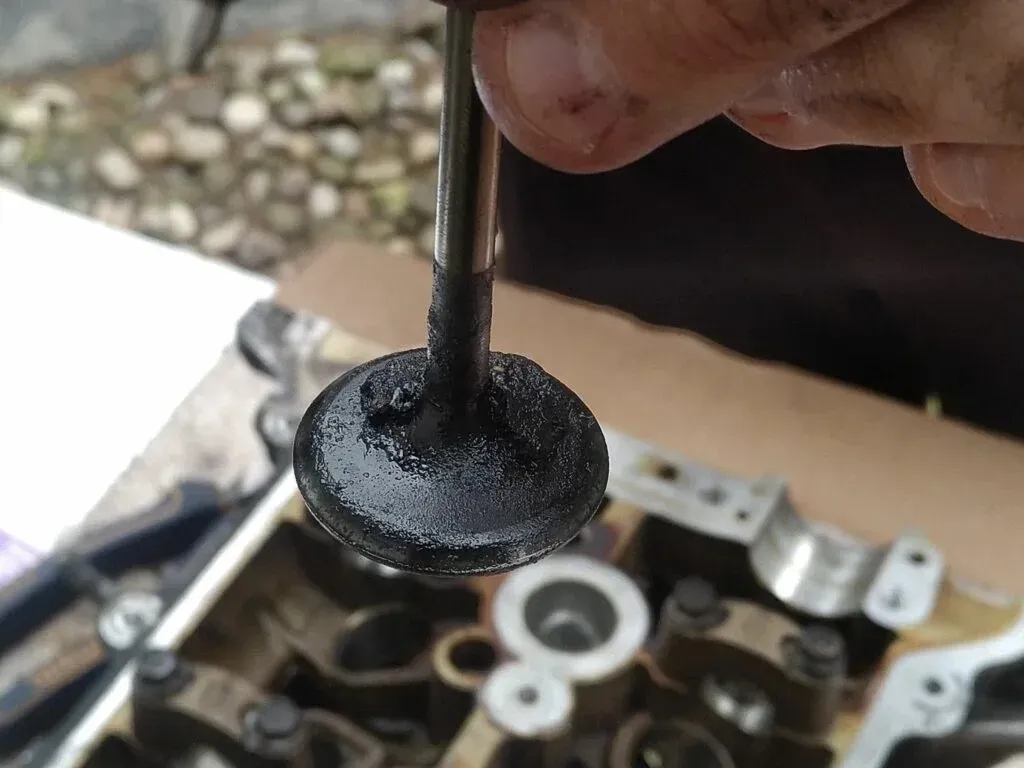
Schedule GDI intake valve cleaning every 40,000–60,000 miles for trucks used in heavy-duty applications to maintain optimal airflow and preserve engine power. Regular cleaning prevents carbon buildup from restricting intake ports, which can lead to misfires, reduced fuel economy, and compromised performance. For trucks exposed to frequent short trips, heavy towing, or stop-and-go driving, adhering to this interval is especially critical to avoid accelerated deposit formation and maintain consistent combustion efficiency.
Use factory-recommended oil viscosity and high-quality filters to reduce vapor generation and protect against long-term carbon formation. Proper lubrication minimizes the amount of PCV oil vapor entering the intake system, which slows the buildup of deposits on valves. Combining correct oil selection with timely maintenance helps preserve valve function, throttle response, and overall engine reliability.
Monitor misfire counts, fuel trims, and cold-start behavior as early indicators of valve restriction. These diagnostics are particularly important for fleets that switch between diesel engine and gasoline trucks, as varying operating patterns can accelerate carbon accumulation. Catching early symptoms allows preventive cleaning before significant performance issues arise.
Every reman GDI engine from Houston Engines undergoes full intake restoration, valve cleaning, and port reconditioning. This process ensures maximum airflow, strong combustion, and long-term durability. Backed by our Warranty, customers can contact Houston Engines for technical assistance, maintenance guidance, or help selecting a high-quality reman or Used engine replacement, providing reliable performance and extended engine life.
Get our latest news and promos
QUALITY ASSURED


SATISFACTION GUARANTEED

UNPARALLELED SUPPORT
Houston Engines
Proud Member



Social Media
Payments Accepted
Ship Via