Mon - Fri: 8am - 5pm, Sat - Sun: Closed

6-36 Month Warranties
We Ship Local.
Hablamos Español.
Connect with
ECU & TCM Relearn After Replacement
ECU TCM relearn
Why Relearns Are Critical to Performance
Modern powertrain systems rely on constant communication between the engine control unit (ECU) and transmission control module (TCM). These modules adjust fuel trims, ignition timing, and shift pressures using adaptive data. After installing a new or remanufactured engine or transmission, it’s vital to reset and relearn both systems to restore synchronization. Without this step, mismatched data can cause drivability issues such as harsh gear shifts, unstable idle, or delayed throttle response.
Skipping the ECU or TCM relearn process may trigger diagnostic trouble codes and affect emissions readiness. Completing a full adaptive learning cycle reestablishes balance between modules, ensuring accurate torque control, proper fueling, and smooth shift logic. Performing a PCM relearn after a swap maintains performance, compliance, and reliability.
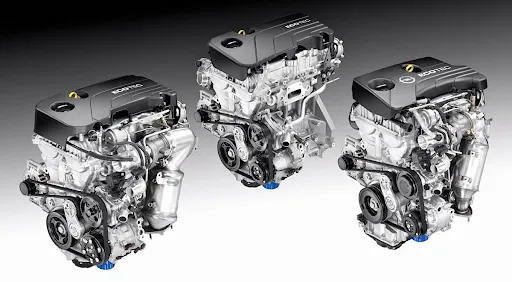
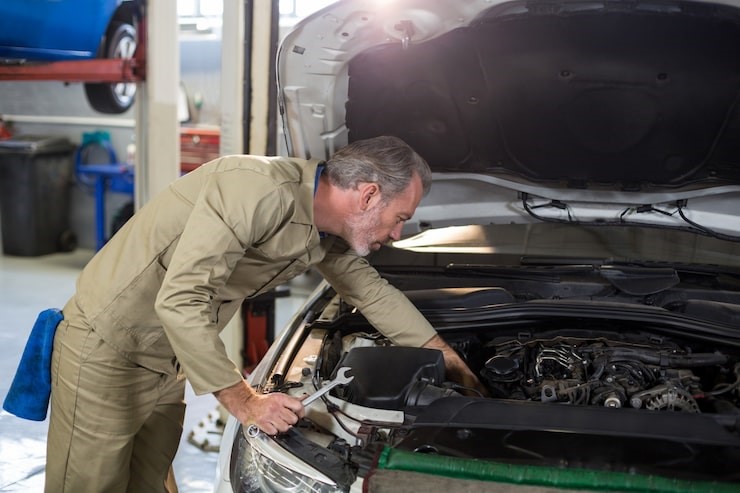
Every manufacturer uses specific relearn protocols for engine and transmission control modules. Some require scan tools to reset adaptive memory, while others complete automatically through passive driving cycles. Understanding which procedure applies to your diesel engine, used engine, or remanufactured transmission ensures accurate setup and prevents unnecessary recalibration. Following OEM instructions maintains proper synchronization between systems, ensures consistent drivability after installation, and supports long-term performance, reliability, and emissions compliance for both used and reman diesel engine applications.
ECU and TCM Relearn Methods Guide
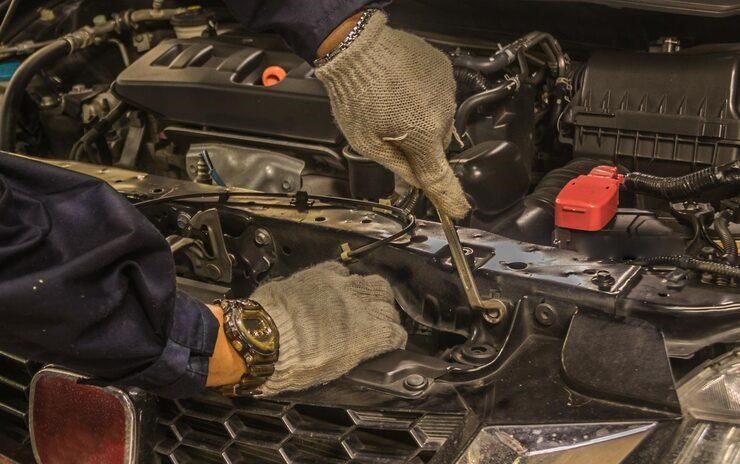
ECU and TCM relearn procedures vary by vehicle make, but most rely on a combination of scan tool commands and controlled driving sequences. Using OEM-level diagnostic equipment enables technicians to clear learned data, initiate idle stabilization routines, and adapt shift strategies accurately. Essential steps include performing crank position sensor resets and clearing transmission adaptive memory to synchronize the modules effectively.
After installation, allow the engine to reach full operating temperature before initiating idle relearn or adaptive shift cycles. This ensures the ECU operates in closed-loop mode, reading real-time data from O2, MAF, and throttle sensors. The process fine-tunes injector timing, line pressure, and converter lock-up behavior—essential for achieving factory-level performance on a newly installed remanufactured engine or remanufactured transmission.
To support precision during calibration, Houston Engines provides detailed setup data for every diesel engine and transmission. Each replacement unit includes compatibility information, adaptive reset instructions, and ECU/TCM programming guidelines to ensure proper integration with OEM systems. This documentation helps technicians avoid post-installation faults, ensures accurate synchronization between control modules, and maintains optimal performance and emissions compliance. Houston Engines’ thorough calibration support promotes reliability and smooth operation across both used and remanufactured diesel powertrain applications.
Engine and Transmission Setup Procedure
Begin by connecting an approved scan tool and ensuring all diagnostic codes are cleared before starting the engine. This step is crucial because any pre-existing fault codes can interfere with the ECU or TCM relearn process, leading to inaccurate adaptive data collection. Verify that all sensors and communication circuits are properly connected and functioning. Missing or faulty inputs can cause incomplete calibration and drivability issues. Starting with a clean diagnostic slate ensures that the engine and transmission modules begin learning with accurate baseline data, which is critical for long-term reliability and smooth operation.
Start the engine and allow it to reach full operating temperature to enable closed-loop fuel control. Once the engine is stable, maintain idle for approximately ten minutes. This allows the ECU to recalibrate idle trims, throttle position feedback, and fuel control maps. Consistent engine temperature ensures that adaptive parameters reflect real-world operating conditions, minimizing post-install drivability issues such as rough idle or delayed throttle response.
Next, perform a series of smooth accelerations through all gears, followed by gradual deceleration to a complete stop. This driving cycle allows the TCM to record line pressure adjustments, clutch engagement timing, and torque converter lock-up thresholds. Maintaining steady throttle input during these cycles ensures accurate data collection for transmission logic updates, improving shift quality, torque delivery, and overall drivability.
Repeat the drive cycle two to three times to confirm complete synchronization between torque management and shift control systems. During and after these cycles, record live data readings for throttle input, shift points, and fuel trims to verify proper adaptation. Completing this process ensures seamless communication between the ECU and TCM, restores smooth drivability, and guarantees long-term reliability following an engine replacement or transmission reset.
Diagnosing and Resolving Relearn Process Issues
If drivability concerns continue after performing a relearn—such as rough idle, delayed shifting, or inconsistent throttle response—it’s important to inspect all related sensors. Components like throttle position sensors, mass airflow sensors, or transmission line pressure sensors can send inaccurate data to the ECU and TCM, disrupting adaptive logic and preventing proper synchronization. Verify that all ground connections are secure and confirm correct voltage levels during calibration to maintain uninterrupted communication between control modules. Even minor electrical issues can cause adaptive values to reset incorrectly, resulting in persistent drivability problems.
Incomplete or failed relearns can also occur due to weak battery voltage or interference from aftermarket tuning software. Restoring stock calibration and ensuring stable voltage throughout the process is essential for consistent performance. Technicians should repeat relearn procedures if any interruptions occur. For situations requiring additional guidance, Houston Engines provides expert support for sensor validation, powertrain module setup, and troubleshooting. Their professional assistance ensures smooth operation, accurate adaptive learning, and long-term reliability for both diesel engines and remanufactured transmissions, helping avoid unnecessary downtime and preserving OEM-level performance.
Documentation and Warranty Assistance Guidance
Accurate documentation is crucial for protecting both the installer and the customer when performing engine or transmission replacements. During every relearn event, installers should record the date, ambient temperature, and the diagnostic tool version used. Saving confirmation screenshots from scan tools that show adaptive reset completion and stable sensor feedback is equally important. This detailed record verifies that the powertrain control module calibration was successfully performed and that all adaptive values were correctly reset, ensuring proper synchronization between engine and transmission systems.
No vehicle should be released or shipped until all relearn confirmations indicate full adaptation and there are no pending diagnostic codes. Ensuring complete synchronization prevents drivability issues such as rough shifts, delayed engagement, or erratic throttle response, minimizing the likelihood of customer complaints or return visits. Proper documentation demonstrates due diligence and compliance with OEM procedures.
Houston Engines includes calibration and relearn guidance with every remanufactured engine and remanufactured transmission. Their technical team provides access to setup charts, module compatibility data, and software configuration details to support accurate post-install calibration. This ensures installers can confidently complete adaptive resets and relearns while maintaining OEM-level performance.
Following these documented steps also preserves warranty coverage and ensures long-term reliability. For technical assistance, ECU/TCM synchronization, or expert calibration advice, Houston Engines offers support and resources to help professionals complete engine or transmission replacements efficiently, accurately, and in full compliance with emissions and OEM standards.
Get our latest news and promos
QUALITY ASSURED


SATISFACTION GUARANTEED

UNPARALLELED SUPPORT
Houston Engines
Proud Member



Social Media
Payments Accepted
Ship Via