
Mon - Fri: 8am - 5pm, Sat - Sun: Closed

6-36 Month Warranties
We Ship Local.
Hablamos Español.
Connect with
Engine Noise Diagnosis Guide for Common Sounds
Engine Noise Diagnosis
Why sound pattern matters more than volume
Engine noise diagnosis is rarely determined by loudness alone. The key factor is the pattern of the noise—when it occurs, how it changes with engine temperature, whether it follows RPM, and if it worsens under acceleration or load. These patterns often reveal more than volume. A light knock under throttle may indicate a serious internal issue compared to a louder ticking sound at idle, depending on source and engine response.
Proper diagnosis begins with observation before parts replacement. Changes in oil pressure, engine temperature, RPM, and throttle input help separate harmless sounds from mechanical wear or failure. Understanding ticking vs knocking engine behavior helps avoid unnecessary repairs and identifies when immediate inspection is required.
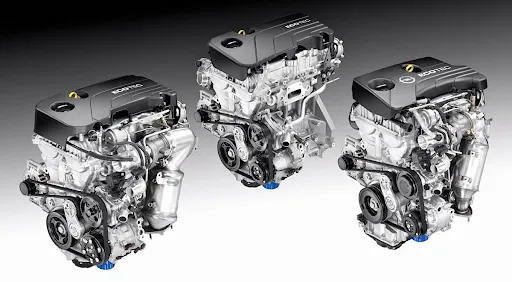

Many engine sounds overlap and can be easily misidentified during early diagnosis. Exhaust leaks may sound like valvetrain ticking, while accessory-drive noises can mimic internal engine failure. A piston slap sound during cold startup may resemble a lower-end knock until the engine reaches operating temperature. The safest engine tapping noise guide begins by identifying when the sound occurs, where it is strongest, and how it changes as oil pressure and temperature stabilize during operation. Careful observation helps prevent misdiagnosis and unnecessary repairs.
What common sounds often point toward

Ticking noises commonly point toward valvetrain components, injector operation, or exhaust manifold leaks, especially when the sound is sharp and closely follows engine RPM. Knocking becomes more concerning when the sound deepens under load or worsens with warm oil because that pattern often suggests rod-bearing wear or wrist-pin problems. A piston slap sound typically appears during cold startup and gradually fades as engine components expand thermally, which can indicate excessive piston-to-cylinder-wall clearance depending on the engine platform and wear level.
Rattling sounds may originate from timing-chain components, loose heat shields, damaged catalytic converters, or accessory-drive assemblies. Tapping noises often overlap with lifter, rocker-arm, or lash-adjuster problems. in engine noise diagnosis sound travels throughout engine block and chassis diagnosis require sound analysis location inspection oil-pressure awareness temperature observation symptom history careful.
Load sensitivity remains one of the most valuable diagnostic clues during engine noise diagnosis. A sound only during acceleration or heavy throttle may indicate rod knock symptoms, detonation, or bearing distress, while a sound strongest at cold startup and fading quickly may suggest piston slap or delayed valvetrain oiling. Sudden changes in sound pattern should never be ignored because even small shifts in timing, frequency, or severity can signal worsening internal damage that requires immediate investigation to prevent catastrophic engine failure.
How to separate valvetrain, bottom-end, and accessory sounds
The first step is identifying the general location of the noise. Sounds near the top of the engine often relate to valvetrain components, injectors, or exhaust leaks around the manifolds. Lower, deeper knocks typically point toward crankshaft, connecting-rod, or rotating-assembly concerns. Noises concentrated near the front cover or accessory-drive area may involve tensioners, pulleys, pumps, or timing-drive components rather than internal engine failure. Correctly identifying sound location greatly improves diagnostic accuracy before teardown begins.
Temperature behavior is equally important. A cold-start-only piston slap sound that fades as the engine warms often points toward piston clearance characteristics, while a knock that grows louder with operating temperature and engine load is more suspicious for bearing wear or rod knock symptoms. Valvetrain ticking may also change as oil pressure stabilizes, especially when hydraulic lifters or lash adjusters take time to fill completely after startup. Observing these changes helps narrow the diagnosis significantly.
Load testing should always be performed carefully. If the engine already shows severe knocking, metallic debris, overheating history, or low oil pressure, aggressive road testing can accelerate failure rapidly. Start with light-throttle observation and monitor how the sound changes during RPM increase and deceleration. If the noise intensifies sharply under load, shut the engine down and inspect it immediately. Continuing to operate an engine with active bearing damage can quickly destroy the crankshaft, connecting rods, and surrounding internal components.
Houston Engines recommends documenting engine sounds with notes or video recordings during cold startup, warm idle, acceleration, and deceleration conditions. Comparing sound behavior over time helps determine whether the noise is stable, worsening, or load-sensitive. Careful documentation also improves communication between owners, technicians, and warranty coverage providers when evaluating whether the engine requires repair, replacement, or installation of a remanufactured engine before complete failure occurs.
When engine noise means stop immediately
A deep metallic knock that worsens under throttle, a sudden rattle appearing immediately after overheating, or any noise combined with low oil pressure warning should be treated as an immediate shutdown condition. These patterns often indicate active internal damage involving bearings, timing components, or rotating assemblies. Continuing to drive under those conditions can quickly lead to broken rods, crankshaft damage, or catastrophic engine failure that dramatically increases repair costs and downtime. In such situations, engine noise diagnosis should prioritize immediate safety and inspection rather than continued operation.
Not every engine noise is an emergency, but every persistent noise deserves structured diagnosis. The key difference comes from the sound pattern, operating conditions, and supporting symptoms such as smoke, coolant loss, overheating history, misfires, or oil-pressure instability. Effective engine noise diagnosis focuses on understanding the relationship between sound and operating behavior instead of reacting to the noise alone. Houston Engines encourages owners to contact us whenever engine noises begin changing suddenly or becoming load-sensitive because early diagnosis often prevents far more expensive damage later and helps ensure long-term engine reliability.

Engine noise diagnosis checklist before making decisions
Record exactly when the sound appears—during cold startup, warm idle, acceleration, deceleration, or under heavy load. Noise timing often provides the fastest clues for narrowing both the source and severity of the problem. Changes in temperature or RPM behavior frequently reveal whether the issue involves valvetrain components, bearings, piston clearance, or accessory-drive systems.
Compare both the character and location of the sound carefully. Sharp ticking, hollow slapping, deep knocking, and loose rattling each point toward different mechanical systems. Misidentifying the type of sound can lead to incorrect repairs, unnecessary parts replacement, and wasted diagnostic time. A disciplined engine tapping noise guide always combines sound quality with operating conditions for more accurate evaluation.
Do not ignore supporting symptoms during diagnosis. Oil pressure fluctuations, smoke, coolant loss, overheating events, misfires, and metal contamination all strengthen or weaken certain failure theories. Rod knock symptoms paired with low oil pressure require far more urgency than a stable valvetrain tick with no supporting issues. The engine’s complete operating behavior matters more than the sound alone during diagnosis and warranty coverage evaluation.
Stop driving immediately when a noise becomes metallic, load-sensitive, progressively louder, or accompanied by warning lights or overheating symptoms. The smartest engine noise diagnosis often begins by preventing additional damage rather than waiting to “see what happens later.” Early inspection, careful documentation, and professional evaluation reduce the risk of catastrophic failure and help protect long-term reliability for both used and remanufactured engine applications.
Get our latest news and promos
QUALITY ASSURED


SATISFACTION GUARANTEED

UNPARALLELED SUPPORT
Houston Engines
Proud Member


Social Media
Payments Accepted
Ship Via