
Mon - Fri: 8am - 5pm, Sat - Sun: Closed

6-36 Month Warranties
We Ship Local.
Hablamos Español.
Connect with
Freight Delivery Checklist for Engines and Transmissions
Freight Delivery Checklist Engine
Why Delivery Inspection Protects Your Warranty
Freight damage disputes are often decided by documentation, not by what “seems obvious” after the unit is uncrated. If a crate is punctured, tipped, or crushed during transit, internal damage may exist even if the engine or transmission appears intact at first glance. When that damage is not recorded at delivery, claims become much harder to resolve. What seems like a simple shipping issue can quickly turn into installation delays or denied claims when proper documentation is missing.
A proper receiving process protects warranty coverage because it verifies the condition of the shipment before installation begins. Many freight carriers and suppliers require immediate notification, clear inspection photos, and accurate notes on the bill of lading to confirm shipment condition.
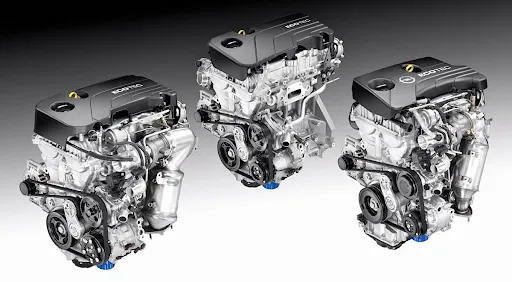

Inspection should always be treated as a structured process rather than a quick glance at the crate. The process begins while the shipment is still on the truck, continues during unloading, and finishes with careful inspection after uncrating. For repair shops and fleet operators, using a standardized freight delivery checklist engine procedure helps reduce disputes, speeds up damage claim resolution, and keeps projects on schedule. Proper documentation also protects installers by confirming that the unit was received in acceptable condition before labor begins.
What to Inspect Before Signing Anything
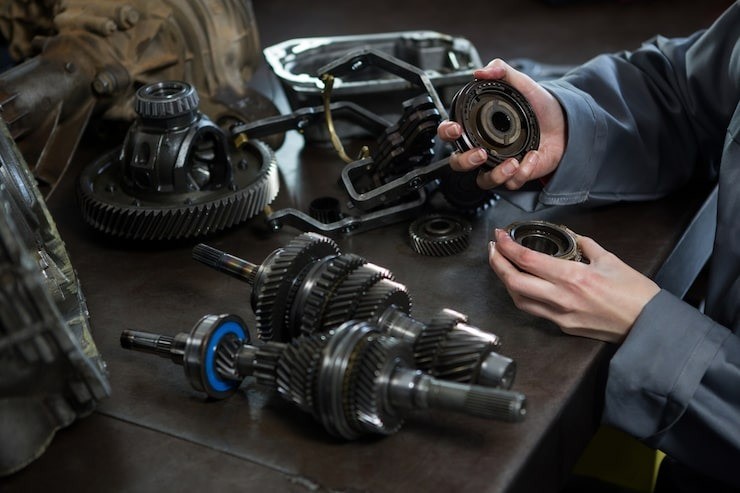
Before signing for the shipment, carefully inspect the crate or pallet from all sides. Look for punctures, crushed corners, broken banding, missing corner guards, wet spots, or signs the shipment was tipped during transport. Verify the pallet remains stable and that the engine or used transmission has not shifted inside the packaging. When possible, take photographs while the shipment is still on the delivery truck, including the crate condition, delivery vehicle, and shipping labels.
If any damage is visible, note it clearly on the bill of lading using specific language. Avoid vague phrases like “subject to inspection,” which weaken claims. Instead, record details such as “crate punctured,” “pallet broken,” or “banding loose.” Ask the driver to acknowledge the note. Accurate bill of lading damage claim documentation often determines outcomes when freight carriers review shipping damage cases.
Even if the driver appears rushed, proper documentation should never be skipped. Signing paperwork quickly without noting damage can shift responsibility to the receiver. If the crate damage appears significant, the safest option may be to refuse delivery or request additional inspection according to carrier policy. In general, visible crate damage should always be treated as potential internal damage until confirmed otherwise during the uncrating inspection process. Careful documentation helps protect the receiver and supports accurate freight claims if problems are discovered later.
Photo Documentation and Uncrating Inspection Steps
Clear photo documentation is essential for any freight delivery checklist engine procedure. Start by taking photos in a consistent sequence. Capture the full crate while it is still on the delivery truck, then photograph it again after it has been unloaded onto the ground. Next, take close-up photos of each side of the crate, the shipping label, and any visible damage. Including both wide and close shots helps establish the shipment’s condition and clearly show the location of any impact points.
After unloading, continue photographing the crate structure in detail. Take images of banding straps, corner guards, pallet boards, and the base frame supporting the engine or transmission. These engine shipping inspection photos provide important evidence of the shipment’s condition at the moment of delivery. They also help determine whether damage occurred during transit or during handling after the shipment was unloaded and moved within the receiving area.
During the uncrating process, photograph the unit before removing any protective wrapping or padding. Inspect the engine or used transmission carefully for cracked housings, broken sensors, bent brackets, damaged connectors, or missing hardware. Check oil pans, bellhousings, transmission cases, and mounting ears for impact marks or fractures. For diesel engine shipments, also inspect accessory mounting surfaces, pulley faces, and sensor ports where shipping impacts commonly occur.
If any damage is discovered during inspection, stop immediately and document the condition thoroughly before moving the unit further. Notify the freight carrier and supplier according to reporting timelines and keep all packaging materials until the claim is resolved. Houston Engines recommends documenting delivery condition as part of warranty protection, ensuring customers and installers have clear evidence if a damage claim becomes necessary after delivery or installation.
Damage Claims and Warranty Protection Rules
Successful freight damage claims depend on timely reporting, accurate bill of lading notation, and clear photographic evidence. If a shipment is signed for without noting damage and problems are discovered later, responsibility may shift to the receiver. For this reason, proper notation and engine shipping inspection photos at the time of delivery are essential. Careful documentation helps confirm the shipment’s condition and provides strong support when freight carriers review potential shipping damage cases. Following required reporting timelines and keeping written records of communication with carriers and suppliers also strengthens the claim process and reduces the chance of disputes.
Warranty protection also depends on not installing a damaged component. If a unit is installed and later fails, determining whether the failure was caused by shipping damage becomes much more difficult. When damage is discovered, stop installation immediately and request guidance before proceeding. Houston Engines helps customers document shipping issues correctly, resolve claims, and protect warranty eligibility while ensuring that installation only proceeds with a properly inspected component.

Freight Delivery Reliability Inspection Checklist Guide
Start by photographing the shipment before signing any delivery paperwork. Capture the full crate, shipping labels, all sides of the packaging, and any visible damage. Take photos from different angles so the overall condition of the shipment is clearly documented. These engine shipping inspection photos serve as important evidence if a freight claim must be filed later. Clear images taken at the time of delivery help demonstrate whether the damage occurred during shipping or after the shipment was received.
Next, inspect the crate carefully and record any visible damage directly on the bill of lading before accepting the shipment. Look for signs such as punctures, crushed corners, broken pallet boards, or loose banding. Detailed descriptions strengthen a bill of lading damage claim and help freight carriers quickly verify the problem. Accurate notes also confirm that the damage was observed at delivery.
During the uncrating process, open the packaging carefully and document the engine or used transmission before removing protective materials. Inspect the unit for cracks, bent brackets, damaged connectors, or other visible problems. If any damage is discovered, stop handling the unit immediately and keep all packaging materials available for carrier inspection.
Report problems as soon as possible and maintain written records of all communication and reporting timelines. Proper documentation protects freight claims, prevents installation of compromised components, and supports warranty protection freight delivery requirements. For assistance with engine or transmission shipments, contact us at Houston Engines.
Get our latest news and promos
QUALITY ASSURED


SATISFACTION GUARANTEED

UNPARALLELED SUPPORT
Houston Engines
Proud Member



Social Media
Payments Accepted
Ship Via