
Mon - Fri: 8am - 5pm, Sat - Sun: Closed

6-36 Month Warranties
We Ship Local.
Hablamos Español.
Connect with
DFM vs AFM: What Owners Should Know
GM AFM lifter failure
How AFM and DFM Systems Operate
GM’s AFM system uses special hydraulic lifters to deactivate fixed cylinders during light-load driving, improving fuel efficiency but introducing reliability challenges. Its fixed deactivation pattern can cause oil flow inconsistencies, leading to GM AFM lifter failure in higher-mileage vehicles. Common symptoms include misfires, ticking noises, and reduced drivability, and prolonged wear may result in valvetrain damage requiring costly repairs.
In contrast, GM’s DFM system employs an advanced algorithm managing 17 cylinder-deactivation modes, allowing any number of cylinders to be disabled as needed. This creates smoother transitions, better fuel economy, and reduced vibration. Owners generally experience more consistent performance, improved throttle response, and enhanced driving comfort compared to the older AFM design, making it a more reliable choice for long-term operation.
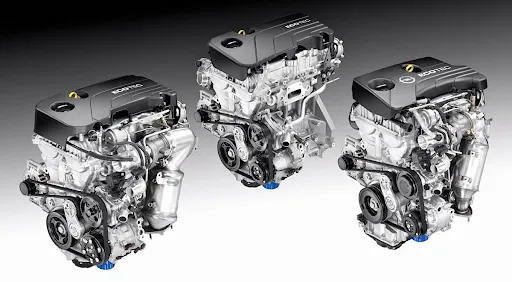
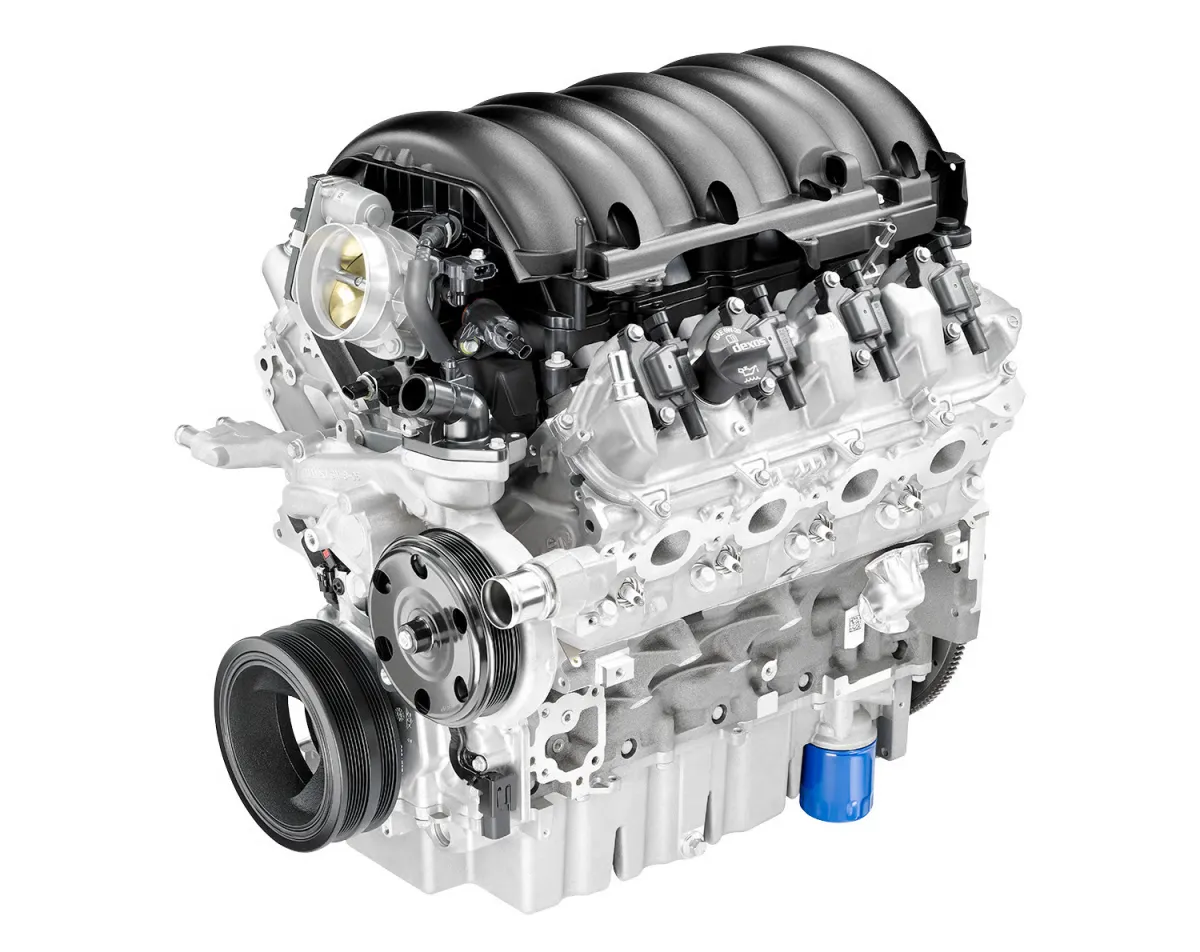
Although DFM reduces harsh transitions and improves efficiency, it still relies on lifters fed by precise oil pressure. Any lubrication failure can cause DFM problems, often requiring specialized parts for repair. Regular maintenance and proper oil selection are essential to prevent lifter wear, collapse, and long-term valvetrain issues. Consistent care ensures smooth cylinder deactivation, protects engine components, and maintains performance and reliability over time, making proper attention critical for owners seeking durable, trouble-free operation of GM DFM-equipped engines.
Failure Points and Warning Signs
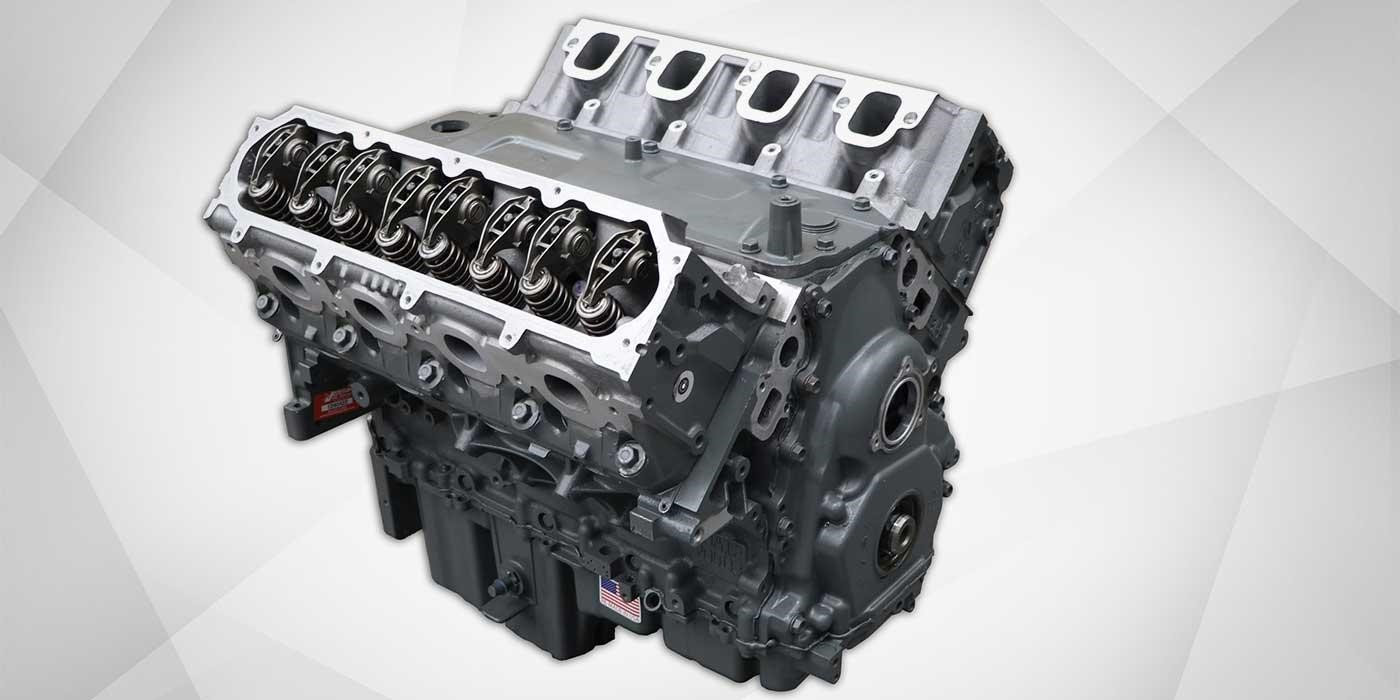
AFM lifters are prone to collapsing when oil pressure fluctuates, varnish builds in lifter bores, or internal wear develops. These failures can damage cam lobes, often requiring extensive repairs or a top-end rebuild. Drivers may notice ticking, intermittent misfire codes, or reduced engine power. Because AFM relies on predictable cylinder-deactivation patterns, wear in one component can quickly affect overall operation. Many owners turn to AFM delete options or upgraded lifter kits to improve reliability and prevent costly damage.
DFM engines have fewer catastrophic failures but remain sensitive to maintenance and oil quality. Regular oil changes, correct viscosity, and high-quality filters maintain pressure stability and reduce lifter collapse risk. While DFM provides smoother operation and more deactivation patterns, ignoring early warning signs accelerates wear. Following GM cylinder-deactivation guidelines enhances long-term reliability and prevents unnecessary component replacement.
Overlooking early symptoms can significantly increase repair costs, as metal particles circulate through the oiling system and contaminate bearings, lifters, and other critical lubrication passages. This contamination accelerates wear, reduces engine efficiency, and may lead to premature component failure. Prompt attention to warning signs, regular maintenance, and proper oil selection are essential to prevent extensive damage. Maintaining clean oil and monitoring engine health helps protect internal components, preserves performance, and ensures long-term reliability for high-mileage or heavily used vehicles.
Owner Options: Repair, Upgrade, or Delete
Owners experiencing AFM-related problems have several repair options depending on budget and long-term goals. Replacing failed lifters and damaged components with OEM parts restores factory operation but does not always prevent future issues. Upgrading to revised lifters or improved valvetrain components is a common choice, especially for trucks frequently used in towing or commercial applications. Full AFM-to-standard-valvetrain conversions are increasingly popular among owners seeking a simplified system with fewer failure risks, though tuning adjustments are required to prevent fault codes and ensure consistent engine performance. These approaches allow owners to tailor repairs to their reliability needs and budget constraints while addressing the root causes of common AFM failures.
DFM-equipped vehicles have similar upgrade options, though aftermarket support is more limited. Installing updated lifters, enhanced lubrication components, and revised control strategies can improve reliability, but all modifications must be paired with proper tuning to maintain drivability and avoid check-engine lights. Evaluating long-term usage, towing demands, and maintenance schedules is essential when selecting the most suitable repair path to ensure durability and sustained performance over time.
Some drivers consider deleting cylinder-deactivation systems entirely. While AFM delete or DFM modifications can significantly improve dependability, they may affect emissions compliance, inspection outcomes, or Warranty coverage depending on local regulations. Understanding the legal and regulatory implications before performing these changes is critical, particularly for commercial fleets and high-mileage vehicles where compliance remains a priority.
Houston Engines supports owners with upgraded reman long-blocks featuring enhanced oil passages, improved lifters, and corrected machining tolerances. These engines reduce vulnerabilities associated with AFM and DFM systems, improving durability and helping prevent recurring failures. Whether choosing a Used engine or a reman diesel engine, Houston Engines provides reliable, tested solutions backed by installation guidance and ongoing support, ensuring long-term engine performance and peace of mind.
Long-Term Diesel Engine Reliability Factors
For higher-mileage trucks, disabling AFM or upgrading to heavy-duty valvetrain components can improve durability, especially during towing, heavy hauling, or commercial use. Maintaining consistent operating temperatures, using proper oil, and monitoring oil pressure trends helps reduce lifter wear and prevent premature failures. Trucks exposed to harsh conditions benefit from preventive maintenance, regular inspections, and timely updates to critical components. These measures sustain engine reliability, protect top-end parts, and reduce downtime, which is crucial for owners relying on their vehicles for work or long trips.
DFM engines perform best with premium synthetic oil, shorter service intervals, and careful oil-pressure monitoring. These steps prevent premature lifter collapse, minimize valvetrain wear, and protect against lubrication-related failures. While DFM provides smoother cylinder-deactivation operation than AFM, keeping oil clean, avoiding extended idling, and following recommended maintenance schedules are essential for long-term dependability. Following these practices helps preserve engine health, maintain consistent performance under high-demand conditions, and extend the life of both AFM and DFM-equipped trucks, ensuring reliable operation for heavy-duty, high-mileage, and commercial applications.
Maintenance Tips and Warranty Notes
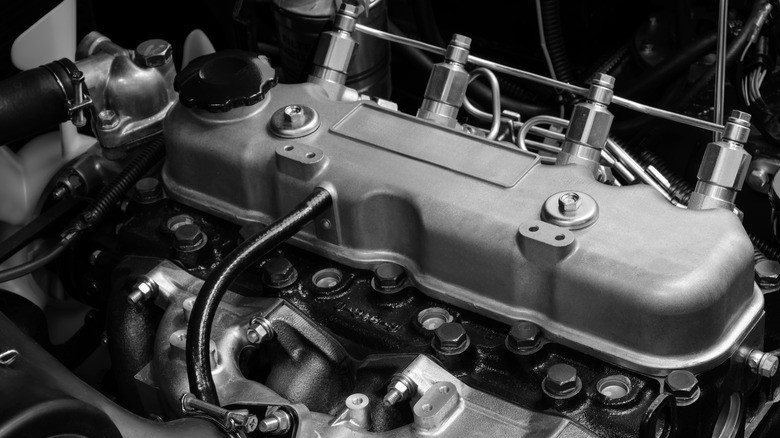
Adhering to OEM oil viscosity and using high-quality filters is critical for maintaining proper lifter pressure in both AFM and DFM engines. Low-quality filters can restrict flow, leading to oil starvation that increases the risk of lifter collapse. Regular maintenance, including timely oil changes and routine inspections, helps sustain system reliability and allows early identification of potential issues before they escalate into costly repairs. Maintaining proper oil pressure ensures smooth cylinder-deactivation operation and preserves overall valvetrain performance.
Documenting all oil changes and maintenance activities is especially important when pursuing Warranty claims involving AFM or DFM-related failures. Accurate records of service intervals, filter replacements, and oil changes demonstrate compliance with manufacturer recommendations and streamline claim approvals. This documentation is particularly vital for fleet operators and high-mileage vehicle owners who rely on consistent engine performance and minimal downtime.
Limiting extended idling is another effective practice, as low oil pressure during prolonged idling increases lifter strain in both AFM and DFM systems. Avoiding unnecessary idling, maintaining engine temperature, and adhering to recommended service schedules help extend component life, reduce wear, and maintain long-term reliability.
Houston Engines supports customers with upgraded components, emissions-compliant builds, and detailed break-in instructions for every remanufactured or Used engine. Owners are encouraged to contact Houston Engines for technical guidance, maintenance recommendations, and system support to ensure reliable operation, long-term protection, and optimal performance for both AFM and DFM-equipped trucks.
Get our latest news and promos
QUALITY ASSURED


SATISFACTION GUARANTEED

UNPARALLELED SUPPORT
Houston Engines
Proud Member



Social Media
Payments Accepted
Ship Via