
Mon - Fri: 8am - 5pm, Sat - Sun: Closed

6-36 Month Warranties
We Ship Local.
Hablamos Español.
Connect with
How to Check a Used Engine for Water Damage
Used Engine Water Damage
Why water damage is often missed at first
Used engine water damage is easy to miss because many engines appear acceptable externally after cleaning. A washed block and intact accessories do not reveal rust in cylinders used engine inspections often uncover later, along with corrosion inside connectors or emulsified oil trapped in passages. Water-damaged engines may pass superficial checks and only reveal problems after installation when rusted rings, contaminated bearings, or seized components appear.
Even partial water intrusion can create cylinder rust, ring sticking, electrical corrosion, and long-term bearing damage. A careful buyer performing a water damaged engine inspection should look for evidence that water entered the engine or remained in the system long enough to begin corrosion before approving the purchase.
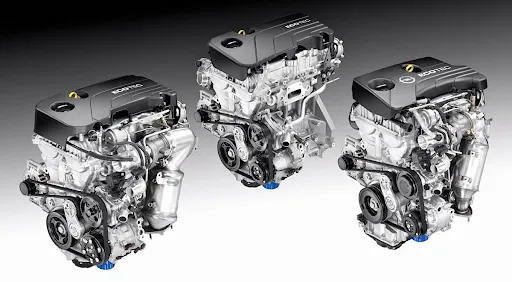

Water-damage inspection is a pattern-recognition process where multiple clues often reveal hidden problems. Rust in a cylinder, white residue in connectors, milky oil traces, corrosion at sensor pins, and donor-history gaps can all indicate moisture exposure. The safest used-engine purchase is one where these warning signs are carefully ruled out rather than ignored. Hidden water damage used engine problems are expensive because they usually appear only after installation, labor costs, and vehicle downtime have already become major financial commitments for the buyer.
The inspection clues that matter most

Start with oil condition and visible openings. Milky residue, emulsified sludge, rust staining, or a stale waterline appearance around the fill neck or under the valve cover should immediately slow the purchase. Use a borescope if possible to inspect cylinder walls and piston crowns. Surface rust, water spotting, washed chambers, or heavy oxidation suggest moisture entered the combustion area or compromised ring and cylinder condition. Buyers trying to check engine for flood damage should not rely only on exterior photos.
Next, inspect connectors, harness ends, and exposed fasteners. Corrosion at terminals, white or green oxidation, rusty fasteners in protected areas, or residue inside electrical connectors often reveal moisture exposure. Also inspect intake and exhaust openings for rust scale or residue. Water-damaged engines often show the strongest evidence in protected internal areas rather than on the outside of the block.
Mechanical feel matters too. If the engine is hard to rotate by hand, has uneven resistance, or shows signs of sticking after sitting, water intrusion becomes more likely. Rusted rings and cylinder-wall corrosion can lock an engine partially or create uneven movement. A “turns over” claim is not enough. A used engine should be checked for smooth mechanical condition as well as appearance, especially when moisture exposure is possible. These steps also help protect future warranty coverage by documenting condition before installation.
Seller questions and paperwork that expose risk
Ask direct questions about donor history. Was the vehicle involved in a flood, standing-water event, front-end water ingestion, or cooling-system failure that introduced moisture internally? If the answer is vague, incomplete, or inconsistent with what the photos show, assume the risk is higher than advertised. Water-damaged engines are often sold with incomplete stories, not explicit flood disclosures. Clear documentation of donor history is one of the most important early filters in avoiding hidden water damage used engine problems that only appear after installation and labor costs are already committed.
Request donor VIN where possible and compare it to known event history if available. Ask for borescope photos, oil condition notes, and any available compression or leak-down data. If the seller cannot provide internal-condition evidence, the buyer is relying on external appearance alone—which is exactly how water-damaged engines slip through the process. Without verified testing data, even a visually clean engine may still carry internal corrosion or moisture damage that is not immediately visible.
Pay attention to the seller’s willingness to document. Strong sellers usually have no issue providing more photos, opening covers where reasonable, or confirming whether the engine was stored indoors and protected correctly. Weak documentation is not proof of water damage, but it increases the risk of buying blind. Transparency in communication often reflects the true condition of the used engine more accurately than appearance alone.
Houston Engines recommends rejecting engines that show multiple water-damage indicators unless the condition is clearly understood and priced as a rebuild core rather than an install candidate. The labor and freight cost of installing a hidden water-damaged engine far outweighs the money “saved” on a risky purchase, making proper evaluation and verification essential before final approval.
When the safest answer is to walk away
If you find cylinder rust, emulsified oil, corroded electrical connectors, or signs that water sat in the intake or exhaust, the safest move is usually to walk away unless the engine is being purchased strictly as a core. Those findings suggest hidden corrosion that can shorten engine life dramatically even if the engine currently turns over. Rings may stick, bearings may already be etched, and electrical issues may continue after installation.
A good used engine should reduce risk, not create a project. If the documentation is weak and the inspection clues point toward moisture exposure, the best buying decision is often not to negotiate harder—it is to reject the engine and move on to one with cleaner evidence and a more reliable verification trail. Contact us before purchase if you need help reviewing inspection findings or evaluating used-engine compatibility concerns. Careful inspection helps avoid costly rebuilds and unexpected failures after installation in real-world driving conditions and ensures better long-term reliability for buyers making informed used engine decisions overall purchase safety.

Water-damage screening checklist before buying
Inspect internal clues, not just the block exterior. Cylinder rust, washed chambers, oil emulsion, and corrosion in protected areas tell the real story. These indicators often remain hidden during a quick visual inspection, especially when an engine has been cleaned or repainted before sale. A proper used engine evaluation must prioritize internal evidence over surface appearance to avoid missing moisture-related damage that can affect long-term reliability and performance.
Use a borescope and check connectors whenever possible. Water damage often reveals itself inside the engine and wiring before it shows clearly on the outside. Cylinder walls, piston crowns, and intake passages can show rust patterns, moisture spotting, or residue that confirms prior exposure. Electrical connectors may also display green or white corrosion, indicating hidden water intrusion that cannot be seen externally.
Ask direct donor-history questions and request documentation. Vague answers and missing internal-condition evidence should increase caution immediately. Information about flood exposure, storage conditions, or prior mechanical issues helps validate whether the engine was properly maintained or compromised. Without supporting records or test data, the risk of hidden water damage in a used engine increases significantly.
Walk away from engines showing clear moisture-related corrosion unless they are priced and purchased strictly as rebuild cores. Water damage is one of the most expensive used-engine risks to discover after installation because it leads to unexpected repair costs, downtime, and labor repetition. A careful, evidence-based inspection approach helps ensure better purchasing decisions and reduces the chance of costly post-installation failures.
Get our latest news and promos
QUALITY ASSURED


SATISFACTION GUARANTEED

UNPARALLELED SUPPORT
Houston Engines
Proud Member


Social Media
Payments Accepted
Ship Via