
Mon - Fri: 8am - 5pm, Sat - Sun: Closed

6-36 Month Warranties
We Ship Local.
Hablamos Español.
Connect with
Hybrid Powertrain Swap Safety and Fitment Guide
Hybrid Powertrain Swap
Why hybrid swaps fail after installation
A hybrid powertrain swap can fail even when the replacement engine or transmission physically fits and mounting points align correctly. Hybrid systems rely on communication between high-voltage components, control modules, cooling systems, sensors, and safety interlocks that must all function together. If any supporting component is missing, incompatible, or improperly installed, the vehicle may not enter ready mode, may trigger isolation or communication faults, or may disable propulsion entirely.
That is why hybrid engine replacement issues often extend beyond the main assembly. A successful hybrid powertrain swap depends on correct system integration, not just mechanical fitment. Failure to verify supporting systems can result in warning lights, no-start conditions, or limited vehicle operation even after a complete installation.
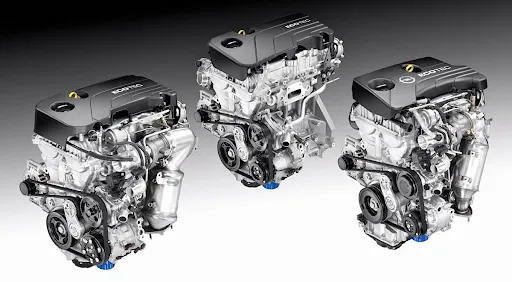
The most common mistake is assuming the job is complete once the replacement unit is installed. Hybrid readiness depends on additional factors, including inverter cooling flow, HV connector integrity, interlock circuits, and module communication. Even a single overlooked component can prevent proper system operation. A system-level approach is essential to ensure all elements work together, avoiding repeated diagnostics, costly delays, and potential failures after installation, and ensuring the replacement unit performs reliably in hybrid applications.
High-voltage safety and cooling loop priorities
High-voltage safety is the top priority in any hybrid powertrain swap. Technicians must follow proper de-energization procedures, handle service disconnects correctly, and use appropriate protective equipment when working around high-voltage systems. Hybrid platforms retain electrical risk even when the vehicle is powered down, making strict safety protocols essential at every stage of the repair process. Proper adherence to these procedures protects both personnel and the vehicle’s critical components during installation.
Cooling systems in hybrid vehicles are equally important and often overlooked. Many hybrids use separate cooling loops for the inverter, battery electronics, and engine. A hybrid cooling loop swap requires careful inspection, flushing, and bleeding of each system. Air pockets, failed pumps, or incorrect coolant levels can cause overheating, reduced performance, or complete system shutdown after installation. Ensuring proper setup of all cooling loops is crucial for reliable hybrid operation.
Before startup, technicians should confirm proper coolant circulation, verify pump operation, and ensure all hoses and connectors are correctly installed. Hybrid systems rely on stable temperature control across multiple components, making thorough cooling system service essential. Ignoring these steps can lead to misdiagnosing the replacement unit as faulty when the true issue is improper cooling flow or trapped air within the system. Proper inspection and setup prevent overheating, performance loss, and unnecessary diagnostic delays, ensuring reliable hybrid operation.
Hidden parts that stop a swap cold
Many hybrid swap failures come from small but critical components that are often overlooked. Interlock connectors, grounding straps, hybrid-specific brackets, shielding components, resolver connectors, and harness retainers all play essential roles in system operation. Missing or damaged parts can interrupt communication, trigger safety faults, or prevent the vehicle from entering ready mode. These hidden components are a major reason hybrid swap hidden parts must be carefully tracked during disassembly and reinstallation. Even minor oversights, like a loose harness retainer or missing grounding strap, can result in faults that are difficult to diagnose and may require repeated troubleshooting.
Module compatibility is another key factor. Hybrid systems require proper communication between control modules, and mismatched components can prevent operation even when the hardware appears physically correct. Differences in model year, system design, or calibration can lead to communication errors or immobilizer issues. Without verifying compatibility, a swap may seem complete but fail electronically, leaving the vehicle unable to operate or causing intermittent faults. Confirming module and component compatibility before installation is essential to avoid electronic issues and ensure the system functions as intended.
Thermal protection and routing are also critical. Heat shields, wiring placement, and hose routing are essential in tightly packaged hybrid systems. Missing shields or incorrectly routed components can expose wiring or electronics to excessive heat, vibration, or movement. Over time, this exposure can cause system faults or premature failure that may not appear immediately after installation. Proper attention to thermal protection and routing ensures long-term reliability and reduces the risk of latent problems.
Houston Engines emphasizes that hybrid powertrain swaps are system-level repairs. Success requires attention to safety procedures, electrical compatibility, cooling systems, and all supporting components. Proper planning, inspection, and careful tracking of hidden parts reduce repeat failures and ensure the hybrid system operates as intended. By addressing hidden components, module compatibility, and thermal management, installers can achieve reliable hybrid swaps that deliver consistent performance and safety.
Planning the swap the right way
Effective planning begins with verifying compatibility before any disassembly. This process includes confirming application details, hybrid system generation, and required transfer components. A thorough checklist should cover high-voltage safety steps, cooling loop service, module compatibility, harness condition, and all hybrid-specific hardware. By planning ahead, technicians can reduce the risk of missing critical parts or encountering unexpected issues after installation. Taking the time to confirm each detail ensures a smoother workflow, helps prevent costly delays, and protects the integrity of your warranty, making the overall hybrid system installation safer and more efficient.
Post-install verification is just as crucial as the installation itself. Technicians must check for high-voltage faults, confirm cooling system operation, verify scan data communication, and complete any required relearn or calibration procedures. Hybrid systems demand careful validation to ensure all components function correctly together. Proper verification ensures optimal performance, safety, reliability, and compliance with warranty requirements. For assistance with hybrid powertrain swaps, contact us at Houston Engines for guidance and support to ensure your installation meets all technical requirements and operates flawlessly.
Hybrid Swap Compatibility and Readiness Checklist
Always de-energize the high-voltage system using proper procedures before starting any work. High voltage safety hybrid repair protocols are essential and should never be bypassed, as electrical hazards remain even when the vehicle appears inactive. Following these protocols protects technicians and ensures all hybrid components, including a remanufactured engine, are handled safely. Proper de-energization and adherence to safety guidelines are the foundation of any successful hybrid repair or swap.
Treat cooling systems as a core part of the replacement process. Hybrid cooling loop swap procedures must include proper flushing, filling, and bleeding to ensure all components receive adequate temperature control. Neglecting these steps can lead to overheating, reduced efficiency, or component failure. Proper coolant flow and thermal management are critical for the long-term reliability of the hybrid powertrain, particularly when installing a remanufactured engine.
Account for all hidden components required for system function. Interlocks, grounds, mounts, shields, and wiring retainers are critical for proper operation. Missing or damaged parts can prevent the system from functioning even if the main components are installed correctly. Careful inspection and inventory of these often-overlooked elements help avoid delays, costly rework, and safety issues once the system is energized.
Verify operation after installation using diagnostic tools and system checks. Confirm readiness status, cooling performance, and module communication. A hybrid powertrain swap is only complete when all electrical, mechanical, and thermal systems operate reliably together. Post-install verification ensures the vehicle performs safely and efficiently, giving peace of mind that all hybrid-specific components, including the remanufactured engine, are correctly integrated and functioning as intended.
Get our latest news and promos
QUALITY ASSURED


SATISFACTION GUARANTEED

UNPARALLELED SUPPORT
Houston Engines
Proud Member



Social Media
Payments Accepted
Ship Via