
Mon - Fri: 8am - 5pm, Sat - Sun: Closed

6-36 Month Warranties
We Ship Local.
Hablamos Español.
Connect with
Injector Return-Rate Testing for Fast Diesel Diagnosis
Injector Return Rate Test
Why Return Flow Reveals Injector Health
Injector return flow is fuel that leaks internally and returns to the tank instead of being injected into the cylinder. When return rates become excessive, fuel pressure in the common rail drops, especially during engine cranking and under load. This pressure loss can cause long crank times, hard starts, rough idle, and reduced power output. In many cases, the engine may still run, but unstable rail pressure gradually worsens drivability until the problem becomes severe.
Return-rate testing helps identify injector leakage quickly and provides measurable data. Technicians can determine whether injectors are bleeding pressure internally. Excessive injector return flow may cause imbalance, visible smoke, extended cranking, a no-start condition, and repeated rail pressure fault codes.
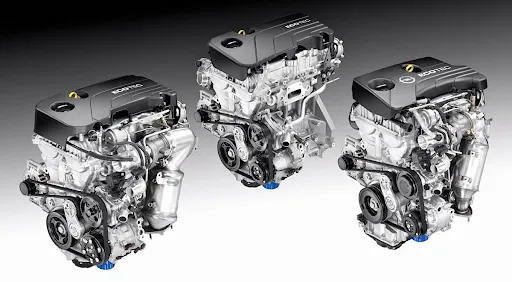

Return testing also prevents unnecessary parts replacement. Many trucks receive pump or turbo recommendations when the real problem is injector leakage. Measuring return volume and comparing cylinders provides a clear diagnostic direction, reduces downtime, and supports proper service documentation. For engine replacement work, performing an injector return rate test before installation is especially important because leaking injectors can wash cylinders, dilute engine oil, and damage a replacement diesel engine quickly if the root cause is left unresolved.
Symptoms That Point to Return-Rate Testing

Several symptom patterns suggest the need for an injector leak test. Hard starts after sitting overnight, extended crank times, white smoke during startup, and low power that improves once the engine is running are common warning signs. Some trucks also show rough idle, intermittent misfires under load, and rail pressure codes during acceleration or towing conditions. Another indicator can be fuel dilution in the engine oil, since internal injector leakage may allow excess fuel to enter the crankcase.
If fuel filters, sensors, and air leaks have already been inspected and symptoms continue, injector return rate testing should become a priority. It is also helpful when rail pressure drops rapidly during cranking or when commanded pressure and actual pressure values separate during acceleration. Return-rate testing is useful for diagnosing intermittent symptoms that worsen once the engine reaches operating temperature.
Technicians should not ignore mild symptoms such as a small startup haze or slight power reduction. These issues often appear early in the failure process and can indicate developing fuel system problems. If excessive injector return flow already exists, continued driving increases heat load, disrupts diesel rail pressure stability, and accelerates injector wear. Over time, this condition can affect overall engine performance. Early testing helps prevent a complete no-start situation and protects internal engine components from damage caused by cylinder wash and loss of lubrication.
Test Setup, Procedure, and Accurate Interpretation
Proper injector return rate test setup varies slightly depending on the diesel platform, but the core concept remains consistent: measure the amount of fuel returning from each injector over a controlled time period. A calibrated return-rate kit with equal-length hoses should be used whenever possible to maintain consistent flow measurement. The engine should also be tested at a stable operating condition, whether during cranking, idle, or a controlled RPM hold depending on manufacturer recommendations. Maintaining consistent conditions ensures that cylinder-to-cylinder comparisons remain accurate.
Before performing the test, verify basic supply-side conditions. Fuel filters should be clean, supply pressure must be adequate, and air intrusion into the fuel system should be ruled out. Return-rate testing should not be used to diagnose supply restrictions because a restricted supply can mimic diesel rail pressure drop symptoms. Once supply conditions are confirmed, perform the test carefully and record the fuel volume from each injector.
Interpreting results requires evaluating both absolute return volume and balance between cylinders. A single injector with significantly higher return flow usually indicates internal leakage affecting that cylinder. If multiple injectors show excessive return flow, system-wide wear or contamination may be present. In situations where all injectors return high fuel volumes, technicians should also investigate fuel quality, filtration history, and whether debris from a prior pump failure has entered the injector system.
Houston Engines recommends documenting injector return rate test results before replacing expensive components. Accurate diagnostic records help guide the correct repair strategy and support warranty documentation. After replacing injectors, technicians should confirm rail pressure stability, observe smoke reduction, and check for any signs of fuel dilution in the engine oil during follow-up service intervals. These steps help ensure the diesel engine continues operating reliably after repairs.
Protecting Engines and Warranties After Diagnosis
If testing confirms injector leakage, repairs should be completed before installing a replacement engine or remanufactured engine. Leaking injectors can allow fuel to wash past piston rings, damaging cylinder walls and causing engine oil dilution. This dilution weakens lubrication and may quickly damage crankshaft and rod bearings. In trucks used for towing or heavy-duty work, injector leakage can also raise exhaust gas temperatures and create unstable combustion. These conditions increase thermal stress on the engine and may lead to premature internal component failure if the problem is not corrected before installation.
Once repairs are completed, verify proper rail pressure behavior during both cranking and loaded driving conditions. Documentation should include injector replacement records, fuel system cleaning steps, and filter replacement. Houston Engines emphasizes maintaining these records because injector-related issues are a common cause of repeat damage. Proper testing and detailed documentation help ensure the diesel engine operates correctly while also protecting warranty coverage for replacement components and future service verification.
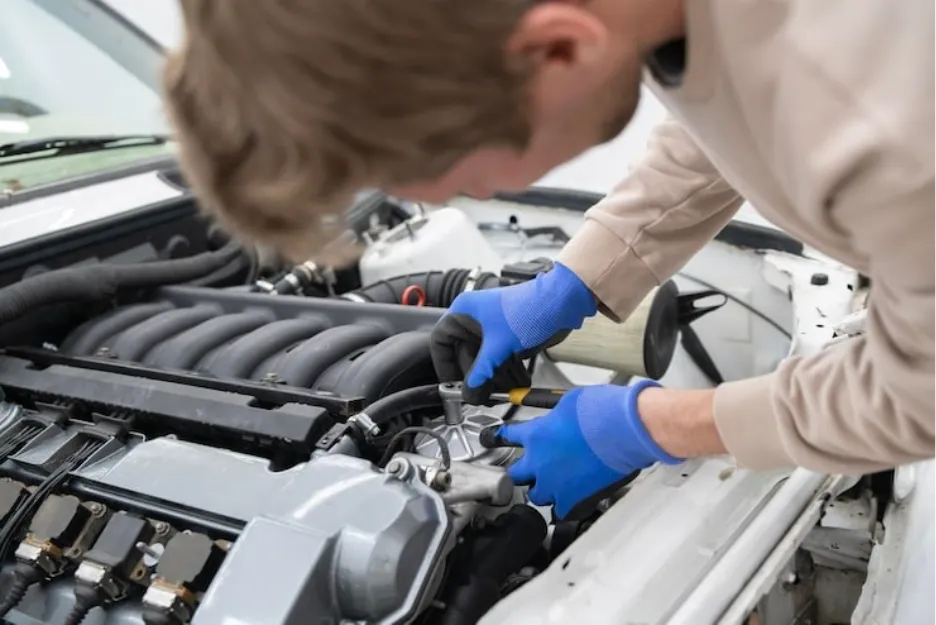
Injector Return-Rate Testing Reliability Checklist
Verify supply-side conditions before performing the test. Clean fuel filters, proper fuel delivery, and the absence of air intrusion are necessary to ensure return-rate results accurately reflect injector performance rather than supply restrictions. If these conditions are not confirmed first, technicians may misinterpret the test results and overlook the real cause of fuel system problems. Checking supply components ensures that any abnormal readings truly indicate injector leakage instead of restricted fuel flow or air entering the system.
Use a calibrated injector leak test kit and maintain consistent operating conditions during the procedure. Equal hose length, stable engine temperature, and accurate measurement intervals allow reliable comparison between injectors. Consistent testing methods help ensure that diagnostic data is dependable and that differences in return volume reflect true injector behavior rather than testing inconsistencies or environmental variables.
Evaluate both absolute return volume and cylinder imbalance when reviewing test results. A single injector with excessive return can cause hard starts, rough idle, and visible smoke during operation. When several leaking injectors are present, the system may experience severe rail pressure drop, unstable combustion, and repeated fault codes that affect overall engine performance.
Correct injector leakage before installing a replacement engine. Document return-rate testing, perform post-repair verification, and monitor engine oil condition afterward to protect the diesel engine and maintain warranty compliance. For professional support with diesel diagnostics or replacement options, contact us at Houston Engines.
Get our latest news and promos
QUALITY ASSURED


SATISFACTION GUARANTEED

UNPARALLELED SUPPORT
Houston Engines
Proud Member



Social Media
Payments Accepted
Ship Via