
Mon - Fri: 8am - 5pm, Sat - Sun: Closed

6-36 Month Warranties
We Ship Local.
Hablamos Español.
Connect with
Long Block vs Short Block vs Drop-In
Long Block vs Short Block
Why package selection affects total repair cost
Choosing a replacement engine package involves more than comparing the advertised price. Total cost includes labor, parts transfer, machining, downtime, and the risk of finding missing or damaged components after teardown. Understanding long block vs short block differences, along with drop in engine vs long block options, is essential before deciding. The right package depends on the failure type, which components remain reusable, and how complete the replacement needs to be.
Many buyers overspend by selecting the most complete option unnecessarily, while others choose incomplete packages and later pay more for missing parts. A proper replacement engine package comparison ensures repairs stay aligned with budget and reliability expectations, avoiding delays, extra labor, and unforeseen costs.
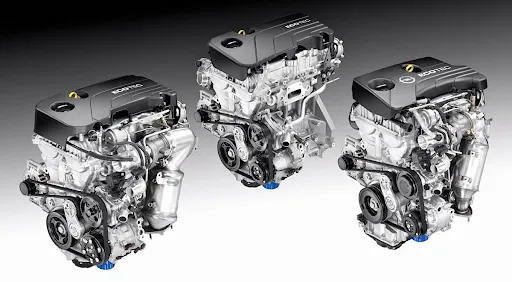

The best choice is always based on the full repair scope rather than the initial unit price. If the lower end failed but the top-end components are verified usable, a short block may be sufficient. If there are broader wear concerns, a long block becomes a more practical option. When minimizing downtime is critical, a drop-in assembly may reduce labor and complexity. Evaluating all variables helps prevent overspending while ensuring the engine meets performance and durability requirements.
What each engine package usually includes
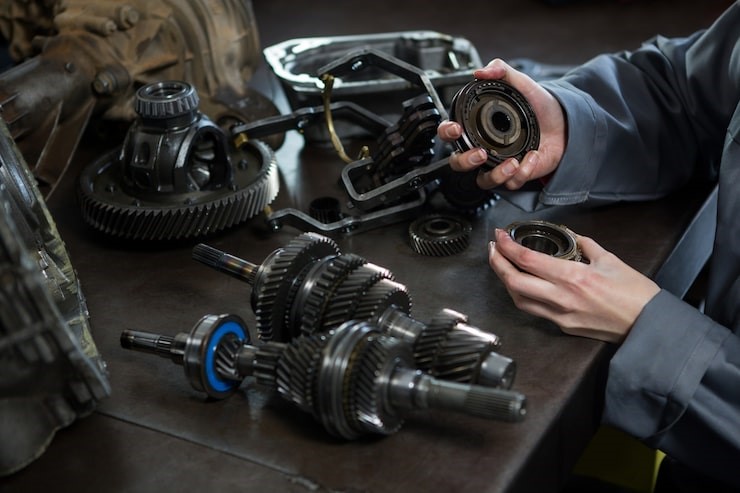
A short block typically includes the engine block, crankshaft, pistons, connecting rods, and internal rotating assembly components. It is designed for situations where cylinder heads and upper components are either reusable or will be rebuilt separately. While it offers a lower upfront cost, it requires more labor, careful measurement, and confidence that top-end damage has not affected the overall engine condition.
A long block builds on the short block by adding assembled cylinder heads and key valvetrain components. In many cases, this is the most balanced option because it replaces the core sealing and combustion components while allowing reuse of certain external parts. Understanding what is included in a long block helps buyers avoid unexpected costs. A drop-in engine is the most complete package, often including additional external components, though exact contents vary and should always be verified before purchase.
It is important to remember that package definitions are not standardized. One supplier’s long block may differ from another’s, and a drop-in engine may still require transferring sensors, wiring, or emissions components. Buyers should always request a detailed parts list rather than relying on terminology alone. Clear documentation prevents delays, reduces confusion, and ensures all required components are accounted for before installation begins, making the replacement process smoother and helping maintain reliability and proper function.
How to avoid overpaying or underbuying
The first step in choosing the right replacement engine package is identifying the actual failure. If the engine experienced bottom-end damage such as bearing failure or cylinder wear, a short block may address the issue only if the cylinder heads and valvetrain are confirmed to be in good condition. However, if the engine suffered overheating, coolant intrusion, or timing-related damage, limiting the repair to a short block can create additional costs and risks because damaged upper components may still require replacement. Understanding the type and extent of failure ensures the replacement engine package aligns with the repair needs.
Long blocks are often the most practical option for many repairs because they replace both lower and upper internal assemblies. This reduces reliance on reused parts and minimizes the chance of hidden defects affecting performance after installation. For daily drivers and work trucks, this balance between cost and completeness makes long blocks a common choice. Replacing more components upfront often prevents repeated repairs and unexpected downtime, giving owners greater confidence in engine longevity.
A drop-in engine becomes the better option when labor costs are high, downtime must be minimized, or the original engine has extensive damage across multiple systems. Fleet operators and commercial users often benefit from the reduced installation time and fewer transferred components. While the upfront cost is higher, the overall savings in labor, reduced risk, and faster return to service can make it the most economical solution for business-critical vehicles.
Houston Engines helps customers evaluate these options based on real repair needs rather than assumptions. A proper replacement engine package comparison considers not just the unit price, but also labor, compatibility, and long-term reliability. Choosing correctly ensures the engine performs as expected, avoids unnecessary expense, and provides peace of mind for both private and commercial vehicle owners.
Questions to ask before you order
Before placing an order, buyers should confirm exactly what components are included and which parts must be transferred. Questions should cover timing components, gaskets, seals, sensors, and accessory brackets. It is also important to verify compatibility using VIN or engine code, ensuring that emissions systems, oil pan configuration, and intake setup match the vehicle. These details are essential when comparing used engine, remanufactured engine, and drop-in options, as differences in completeness can be significant and directly affect installation time and reliability. Clear documentation prevents surprises and ensures all required components are accounted for before work begins.
Labor considerations should also factor into the decision. A less complete package may appear cost-effective but can require additional time for cleaning, inspection, and sourcing missing components. If reused parts fail after installation, the initial savings can quickly disappear. Houston Engines assists customers in selecting the right package based on installation requirements, helping them avoid both overbuying and underbuying while maintaining warranty protection, reducing downtime, and ensuring the engine performs reliably after installation.

Replacement engine package decision checklist
Start by identifying the original failure type. If the issue is limited to the bottom end, such as bearing or cylinder wear, a short block may be sufficient to address the problem. However, broader damage involving overheating, coolant intrusion, or valvetrain components typically requires a long block or a more complete assembly. Understanding the extent of the failure ensures that the replacement engine package addresses all affected areas and prevents unexpected repairs later.
Always request a written list of included components before purchasing. Terms like short block, long block, and drop-in are useful guidelines, but the exact contents vary by supplier and should never be assumed. Confirming which parts are included, such as gaskets, seals, sensors, and accessory brackets, helps prevent surprises during installation and ensures compatibility with the vehicle.
Evaluate total repair cost rather than focusing only on the purchase price. Labor, parts transfer, machining, and downtime can significantly impact the final expense. A package that seems cheaper upfront may ultimately be more expensive if it requires additional work or sourcing missing components. Considering the complete cost picture allows for smarter decisions and reduces the risk of overruns.
Select the package that fits the actual repair needs instead of relying on labels alone. The right choice ensures reliable performance, controls costs, and avoids paying for unnecessary components. For expert guidance on choosing the right replacement engine package, contact us at Houston Engines.
Get our latest news and promos
QUALITY ASSURED


SATISFACTION GUARANTEED

UNPARALLELED SUPPORT
Houston Engines
Proud Member



Social Media
Payments Accepted
Ship Via