
Mon - Fri: 8am - 5pm, Sat - Sun: Closed

6-36 Month Warranties
We Ship Local.
Hablamos Español.
Connect with
Measuring Diesel Blow-By With Crankcase Pressure
Diesel Blow-by Test
Why “Oil Cap Tests” Don’t Prove Anything
Blow-by is combustion gas leakage past piston rings into the crankcase, but every diesel engine produces some vapor, especially at idle or during cold operation. Visual checks like the “oil cap dance” or vapor at the fill neck are unreliable indicators. A healthy engine may show vapor, while a worn engine can appear acceptable at idle and reveal problems only under load. Relying on appearance alone often causes incorrect diesel ring wear diagnosis.
A proper crankcase pressure test diesel procedure provides measurable data instead of guesswork. It confirms whether ring seal is stable, cylinder wear is developing, and the crankcase ventilation system controls pressure. Accurate measurement prevents misdiagnosis and protects buyers evaluating a used diesel engine before repairs or replacement.
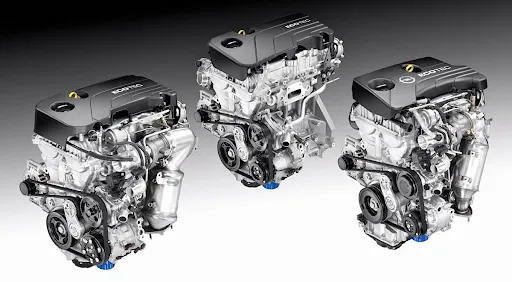

The goal of a diesel blow-by test is consistency and comparison across operating conditions. Measure crankcase pressure at idle and under controlled load—not just during a quick visual inspection. If pressure rises sharply with throttle or boost, it may indicate worn rings, cylinder wall damage, or fuel dilution effects. Documented readings provide valuable evidence when evaluating warranty coverage or confirming the integrity of a remanufactured engine installation, ensuring accurate assessment and reliable engine performance.
Tools, Test Setup, and Proper Measurement
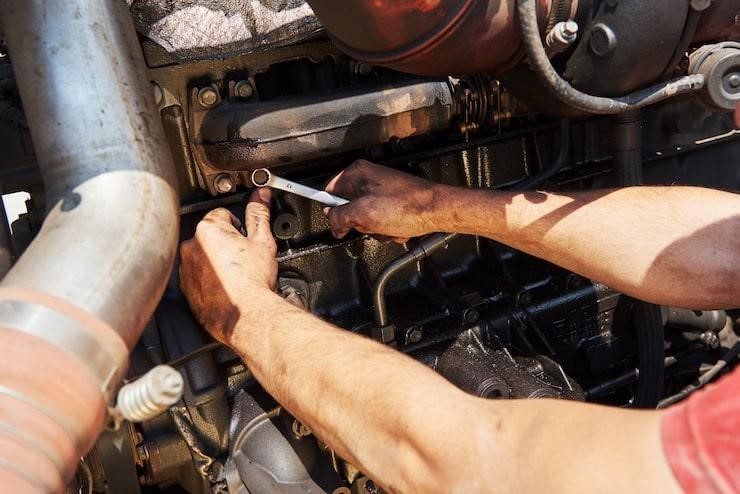
Use a calibrated manometer or low-pressure gauge designed for crankcase pressure spec measurement. Connect to a dedicated test port if available. When using the dipstick tube or oil fill neck, ensure the adapter seals tightly to prevent false low readings. Record measurements in consistent units such as inH₂O, kPa, or psi, and document oil temperature and ambient conditions for accurate comparison.
Begin with a stabilized warm idle reading. Then capture data during a controlled snap-throttle and, ideally, moderate road load. Engines with weak ring seal may appear acceptable at idle but show elevated crankcase pressure under boost. Also inspect crankcase ventilation filters and hoses. A restricted system can elevate readings and falsely suggest internal wear during a crankcase pressure test diesel procedure.
Always compare pressure readings with operating symptoms and scan data. If elevated pressure coincides with excessive blow-by symptoms such as oil consumption, blue smoke, hard starts, or cylinder contribution imbalance, internal wear becomes more likely. Correct any ventilation restriction first, then repeat the diesel blow-by test. Following this proper sequence prevents misdiagnosis and avoids condemning an otherwise serviceable engine due to maintenance issues, ensuring accurate assessment, reliable evaluation of engine condition, and informed decisions for repairs or service.
Interpreting Results: Normal Vapor vs Wear
Interpreting results requires context. A cold engine produces more visible vapor due to condensation and incomplete combustion. Short-trip operation can also increase crankcase vapor from moisture and fuel dilution. That’s why a fully warmed engine at stabilized oil temperature provides the only reliable baseline for crankcase pressure spec comparison. Consistent test conditions ensure repeatable results, making it possible to distinguish normal vapor from excessive blow-by. Without proper baseline measurements, misdiagnosis of diesel ring wear is likely.
Observe how pressure responds to RPM and load changes. Engines with worn rings often show a sharper pressure increase as cylinder pressure rises. If elevated crankcase pressure appears alongside poor boost response, smoke under load, or rising oil consumption, the probability of diesel ring wear diagnosis becomes stronger. Load-based readings provide clearer separation between normal vapor and true wear, allowing technicians to identify developing internal wear before it causes costly failures or engine damage.
Oil condition also matters. Fuel dilution thins viscosity, increases vapor formation, and accelerates ring and cylinder wear. If oil smells strongly of fuel or shows abnormal thinning, injector leakage or regeneration issues should be investigated. Blow-by can be both a symptom and a contributor—high crankcase pressure pushes oil mist into the intake system, increasing deposits and intercooler contamination over time. Maintaining proper oil condition alongside blow-by testing ensures accurate diagnosis and helps extend engine life.
Houston Engines recommends incorporating crankcase pressure testing into any engine verification process. For used diesel engine purchases, documented stable readings confirm ring seal health. After installing a remanufactured engine, establishing a baseline diesel blow-by test after break-in provides documentation that the engine is sealing properly before returning to heavy towing or commercial duty under warranty protection. This approach supports informed decisions and protects both buyers and operators from unexpected engine problems.
Using Blow-By Data to Make Decisions
If excessive blow-by symptoms are confirmed and repeatable under controlled load, follow up with compression balance testing and cylinder contribution analysis. Determining whether the issue is isolated to a single cylinder—often linked to injector wash or localized scoring—or represents general wear across all cylinders is essential. Oil analysis can further confirm fuel dilution or metal content, supporting a reliable diesel ring wear diagnosis. Understanding whether the problem is localized or widespread helps guide repair decisions and avoid unnecessary component replacement while ensuring accurate assessment of engine condition.
Decision-making should also reflect duty cycle and workload. For high-demand towing trucks, significant wear often makes full engine replacement more practical than partial repair, as replacing pistons or rings alone may not restore long-term reliability. Houston Engines assists customers in interpreting crankcase pressure spec results and selecting the correct diesel engine option—whether a used or remanufactured engine—to match performance demands and warranty expectations. Accurate testing and informed choices ensure both operational reliability and protection of long-term investment in the engine.

Crankcase Pressure Testing Reliability Checklist
Test the engine fully warmed, not cold. Record oil temperature and ambient conditions so readings can be compared accurately over time. Consistent testing conditions ensure meaningful diesel blow-by test results and reduce the risk of misdiagnosis. Without proper baseline conditions, it is difficult to distinguish normal vapor from excessive blow-by or true internal wear, which can lead to incorrect conclusions about engine health.
Use a sealed adapter and a proper low-pressure gauge or manometer. Any leak at the connection point creates artificially low readings and masks internal wear. Reliable tools are critical for accurate crankcase pressure test diesel procedures, ensuring that measured pressure reflects actual ring seal condition rather than testing errors or equipment flaws. Proper setup is essential for repeatable, trustworthy results.
Measure at idle and under controlled load. Many worn engines appear stable at idle but display elevated crankcase pressure once cylinder pressure increases. Load testing provides the clearest indication of ring seal condition and allows technicians to separate normal vapor from true blow-by. Observing pressure changes under different RPM and load scenarios improves diagnostic confidence and identifies developing internal wear before it causes major engine failure.
Verify crankcase ventilation components before condemning the engine. A restricted filter or blocked plumbing can elevate readings and mimic internal wear. Correct restrictions and retest before planning major repairs. For help interpreting results or selecting a replacement solution, contact us at Houston Engines for expert guidance and warranty-backed support. Proper sequencing ensures accurate diagnosis and protects both engine longevity and investment.
Get our latest news and promos
QUALITY ASSURED


SATISFACTION GUARANTEED

UNPARALLELED SUPPORT
Houston Engines
Proud Member



Social Media
Payments Accepted
Ship Via