Mon - Fri: 8am - 5pm, Sat - Sun: Closed

6-36 Month Warranties
We Ship Local.
Hablamos Español.
Connect with
Mismatched Engine Swaps and Hidden Electrical Problems
Mismatched Engine Swap Problems
Why “it bolts in” is not enough
A swap can fit physically and still fail functionally when the engine’s sensor package, harness branches, connector styles, or control strategy do not match the chassis and modules. Modern vehicles operate through network communication, so mismatches can cause intermittent warnings, poor drivability, emissions faults, or repeated no-start conditions. These engine swap problems often appear after installation even if the engine initially runs normally.
Engine swaps must be treated as system matches, not just long-block replacements. Even small differences in crank trigger patterns, throttle body control, injector coding strategy, or exhaust sensor layout can create engine swap electrical issues later. Parts may fit physically but still communicate differently with the vehicle’s modules and electronics.
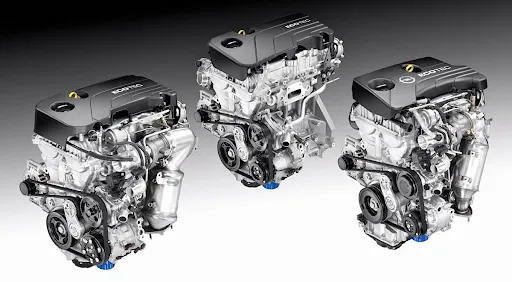

The most frustrating swap problems are the delayed ones: the truck starts, idles, and even drives, but later develops communication faults, random limp mode, or emissions readiness problems. Those symptoms are frequently tied to wrong sensors after engine swap situations, module calibration engine swap conflicts, or hidden engine harness mismatch conditions that were overlooked during installation. A correct swap requires matching the engine’s hardware and control expectations to the chassis, not just making the mounts and accessories line up physically.
The parts that most often create mismatch problems
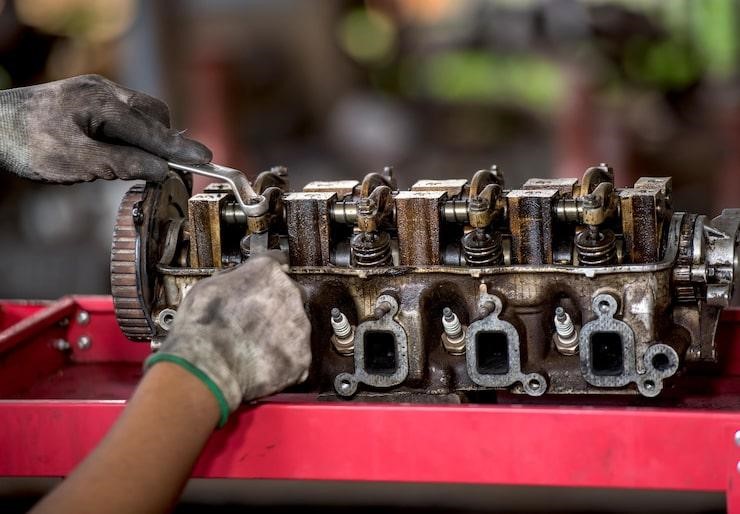
Crank and cam sensors are common failure points in mismatched engine swap problems because the ECM depends on precise signal type and trigger patterns. If the sensor design or trigger arrangement differs, timing synchronization can become unstable even if the engine starts initially. Throttle bodies, MAP and MAF configurations, injector connectors, knock sensors, and emissions-related sensors also create issues when the replacement engine’s version differs from what the chassis harness and control modules expect. Wrong sensors after engine swap situations often lead to intermittent faults that worsen after heat cycles and real-world driving.
Harness layout is equally important. Incorrect branch length, connector keying, or pinout can require temporary modifications that fail under vibration and temperature changes. These engine swap electrical issues affect fuel delivery, transmission operation, emissions readiness, and throttle response, impacting drivability and long-term system stability.
Module matching is the final layer. Even with correct sensors, wrong calibration assumptions can still cause issues if ECM, TCM, hybrid controller, or body-control modules expect a different engine variant. Module calibration engine swap conflicts can lead to drivability problems, limp mode, unstable idle, readiness-monitor failures, or warning lights long after installation appears complete. VIN-based verification and part-number comparison are essential before installation. Without this check, shops may keep chasing repeat faults caused by the original mismatch.
How to catch mismatch risks before installation
Start with exact identification. Confirm donor VIN where applicable, engine code, emissions family, and any module or calibration dependencies tied to that engine family. Then compare the original engine and replacement engine physically: connector count, sensor locations, manifold configuration, throttle body style, coolant outlet design, and emissions attachment points. If anything differs, document it and decide whether it is acceptable or disqualifying. Preventing mismatched engine swap problems begins long before installation, because small specification gaps often determine final compatibility.
Next, verify what is transferring from the original engine. Many successful swaps rely on moving the original intake, sensors, manifolds, brackets, or harnesses over to the replacement long block. This is only safe if mounting points and provisions match. If the replacement engine uses different bosses, pinouts, or connector styles, the transfer plan may fail before startup. Engine harness mismatch issues often begin when installers assume “close enough” layouts will function the same after installation.
Then inspect the harness and module strategy carefully. Check pinouts, connector indexing, and routing to ensure wiring is not stretched, twisted, or forced. Confirm whether injector coding, throttle adaptation, immobilizer pairing, or sensor relearn procedures are required after installation. Many engine swap electrical issues come from skipped setup steps rather than faulty parts. Module calibration engine swap problems also appear when the replacement engine requires different software assumptions than the vehicle supports.
Houston Engines recommends treating pre-install electrical verification as part of engine fitment, not an afterthought. A documented process reduces installation delays and protects against repeat warning lights, drivability issues, no-start conditions, and other engine swap electrical issues caused by sensor, harness, or module mismatches. For help reviewing compatibility or installation planning, contact us before the swap begins for lower risk and better outcomes.
Why these problems show up later, not sooner
Many mismatch problems do not appear during the first startup because the system can operate in a limited range before the differences matter. The engine may idle and move around the lot, yet fail later when load, temperature, regeneration logic, adaptive learning, or operating demands increase. That is why “it starts and runs” is not a complete approval standard for a swap. Wrong sensors after engine swap situations frequently remain hidden until the vehicle enters real-world duty cycles where module expectations and sensor feedback no longer align correctly.
Later failures often show up as intermittent codes, unstable idle after heat soak, incorrect shift behavior, communication errors, or emissions readiness problems that never complete. Those are expensive symptoms because the mechanical work is already finished by the time the real cause appears. Preventing mismatched engine swap problems requires matching the system correctly before installation—not trying to diagnose around the mismatch after delivery. Houston Engines helps buyers and installers review module calibration engine swap concerns and engine harness mismatch risks before the vehicle leaves the shop.

Engine-swap matching checklist before installation
Verify exact engine identity first using VIN, engine code, emissions family, and part-number comparison wherever possible. Correct identification is the foundation of preventing mismatched engine swap problems and avoiding electrical or calibration conflicts after installation. This step is especially important for a remanufactured engine, where small configuration differences may exist, and it also helps protect warranty validity by ensuring correct application match.
Compare the original and replacement engine carefully for sensor count, connector style, manifold layout, coolant routing, bracket provisions, injector configuration, and throttle-body design. Small differences in these areas often create major engine swap electrical issues once the vehicle enters real operating conditions. Even minor mismatches can lead to drivability problems, sensor faults, or communication errors between modules and the engine system, potentially affecting long-term reliability and warranty approval.
Decide early which components must transfer from the original engine and confirm the replacement assembly fully supports that plan. A transfer strategy that depends on adapting connectors, stretching wiring, or “making it work” is a warning sign of future engine harness mismatch problems and wrong sensors after engine swap conditions. Proper planning ensures correct integration without unsafe modifications.
Review harness routing, module expectations, and relearn requirements before installation begins. Proper preparation reduces the chance of module calibration engine swap conflicts, warning lights, limp mode behavior, and repeat diagnostics after delivery. Careful setup ensures the remanufactured engine or replacement unit performs reliably with stable operation and full warranty protection.
Get our latest news and promos
QUALITY ASSURED


SATISFACTION GUARANTEED

UNPARALLELED SUPPORT
Houston Engines
Proud Member



Social Media
Payments Accepted
Ship Via