
Mon - Fri: 8am - 5pm, Sat - Sun: Closed

6-36 Month Warranties
We Ship Local.
Hablamos Español.
Connect with
Oil Consumption Diagnosis Before Engine Replacement
Oil Consumption Diagnosis
Why oil burning does not always mean replacement
Oil consumption can lead to premature engine replacement because visible symptoms may appear severe without confirming the root cause. Blue exhaust smoke, dropping oil levels, fouled spark plugs, and oil in intake components may suggest internal wear. However, these issues can also result from a faulty PCV system, turbo oil leakage, or worn valve seals rather than a failing bottom end. Replacing the engine without diagnosing the true cause can lead to unnecessary expense and recurring problems.
A structured oil consumption diagnosis separates ring wear from ventilation faults, turbo issues, and valve sealing problems. Proper inspection and testing help technicians determine whether a full engine replacement is required or if a targeted repair can resolve the problem efficiently.
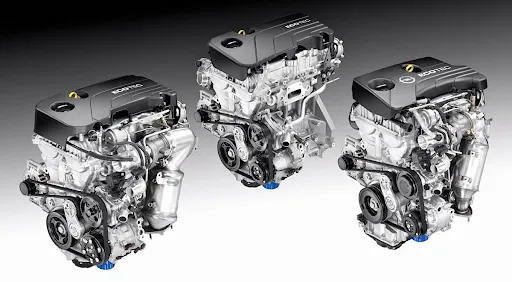
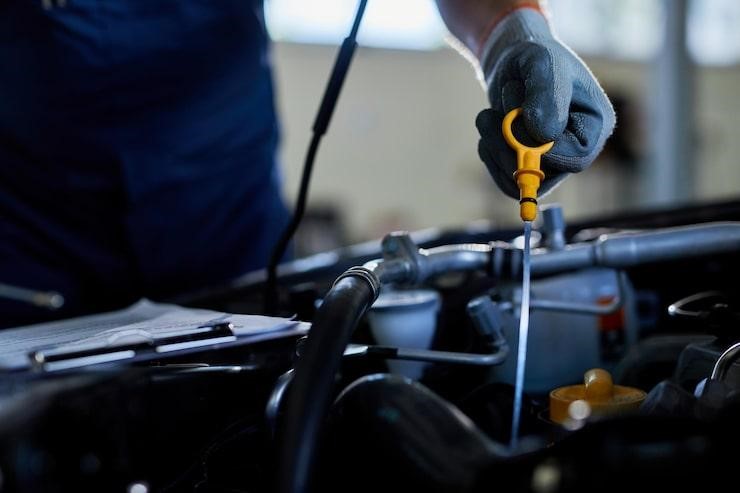
The key to accurate diagnosis is recognizing patterns supported by evidence. Understanding when smoke occurs, how oil appears in the intake system, and whether plug fouling is consistent across cylinders helps narrow the source. Observing whether oil burning happens under load, at startup, or during deceleration provides valuable clues. This structured approach reduces guesswork and prevents unnecessary replacement of a usable engine while ensuring that serious internal wear is not overlooked when replacement is truly required.
How rings PCV turbo and valve seals differ
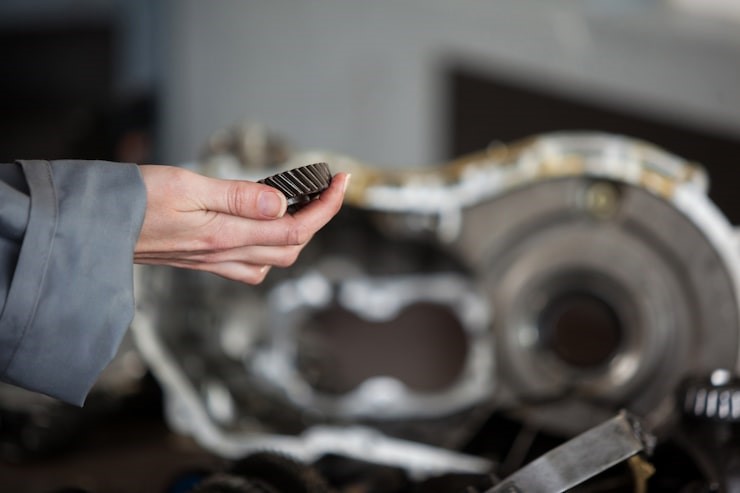
Worn piston rings typically show oil consumption under load, increased crankcase pressure, and reduced compression. Leak-down tests often confirm sealing loss, while spark plugs may show widespread fouling across cylinders. In contrast, valve seal issues usually appear after startup, extended idle, or deceleration when vacuum conditions draw oil past worn seals into the combustion chamber. These differences are important when evaluating rings vs valve seals oil burning patterns.
PCV causing oil consumption is often linked to excessive crankcase vapor entering the intake due to faulty valves, clogged passages, or failed baffles. Turbo oil consumption symptoms, on the other hand, are commonly identified through oil presence in charge pipes, intercooler systems, or turbo housings. Smoke may increase under boost or after high-load operation. These conditions can overlap, so no single symptom should determine the diagnosis without supporting inspection and test results.
A proper diagnosis requires combining multiple indicators rather than relying on a single observation. Oil in the intake system may indicate PCV issues, turbo leakage, or excessive blow-by, while startup smoke might suggest worn valve seals but can also appear in engines with mixed wear conditions. Evaluating smoke timing, spark plug condition, crankcase pressure, and intake contamination together ensures a more accurate conclusion, helping technicians determine the true cause before committing to major repairs or engine replacement.
A practical triage process before replacement
The first step in oil consumption diagnosis is identifying operating patterns. Determine when oil burning is most noticeable—during cold starts, hot idle, deceleration, or under load. Startup smoke often points toward valve seal wear, while oil consumption under heavy load or towing may indicate ring-related issues. Turbo-related problems may present as increased smoke during boost or oil residue in charge-air systems. Understanding these patterns helps narrow the diagnostic direction early in the process.
Next, perform a visual inspection of accessible components. Remove intake piping where possible and check for oil accumulation. Inspect the PCV system for proper operation, including valves, hoses, and internal baffles. Examine spark plugs for distribution patterns. Uniform fouling may indicate broader internal wear, while isolated fouling can point to localized issues. Reviewing maintenance history and prior overheating events also provides valuable context for diagnosing oil consumption accurately.
After initial inspection, move to measurable testing. Compression testing helps identify overall cylinder health, while leak-down testing provides more precise insight into sealing performance. A borescope inspection can reveal cylinder wall condition, piston crown deposits, and signs of coolant or oil intrusion. For turbocharged engines, inspect shaft play, housing condition, and oil presence in both compressor and turbine sides. These steps reduce uncertainty and provide clear direction for repair decisions.
Houston Engines recommends a methodical approach to diagnose oil burning before engine replacement. Some cases will confirm severe internal wear where replacement is justified, while others may reveal PCV faults, turbo issues, or valve seal problems that can be repaired without replacing the entire engine. Following a structured triage process ensures that decisions are based on evidence rather than assumption, reducing unnecessary costs and improving repair outcomes.
Knowing when replacement is actually justified
Engine replacement becomes necessary when testing confirms significant internal wear. Key indicators include poor compression, high leak-down percentages, excessive blow-by, and visible cylinder wall damage. Consistent fouling across multiple cylinders, combined with borescope evidence of scoring or heavy wear, further supports the need for replacement. In these situations, attempting minor repairs often delays the inevitable, increases overall downtime, and adds unnecessary costs. Making a timely decision based on thorough inspection ensures that the vehicle operates reliably and reduces the risk of repeated failures or additional labor after partial repairs.
However, when oil consumption is primarily caused by PCV system faults, worn valve seals, or turbocharger issues, full engine replacement may not be required. Addressing these specific components can resolve the problem efficiently without the expense of a complete engine swap. Houston Engines helps customers carefully evaluate these scenarios, providing guidance to make replacement decisions with confidence. Whether choosing a used engine or performing targeted repairs, this approach aligns solutions with the actual condition of the engine, prevents unnecessary expense, and ensures long-term performance and reliability for the vehicle.
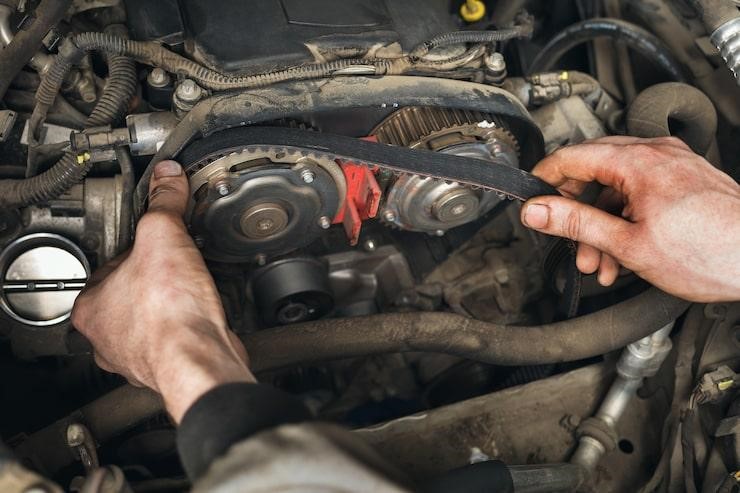
Oil Consumption Diagnosis and Triage Checklist
Start by identifying when oil consumption occurs. Smoke during startup, deceleration, heavy load, or idle each points to different failure sources. Recognizing these patterns early helps guide the diagnostic process and reduces the risk of misdiagnosis. Understanding when and how the symptoms appear allows technicians to narrow potential causes and focus inspections on the most likely contributors.
Inspect supporting systems before assuming internal engine failure. Check the PCV system, turbocharger components, intake tract, and valve sealing areas for signs of oil entry. These systems often create oil consumption symptoms that resemble more serious internal issues if not properly evaluated. Properly assessing these areas can prevent unnecessary engine replacement and ensure that the true source of the problem is addressed efficiently.
Use testing methods to confirm findings. Compression tests, leak-down analysis, spark plug readings, and borescope inspection provide measurable data that supports or challenges initial assumptions. Testing ensures that decisions are based on verified conditions rather than visual symptoms alone, helping technicians determine whether minor repairs or a full engine replacement is truly necessary.
Proceed with engine replacement only when evidence confirms widespread internal wear or sealing failure. A structured oil consumption diagnosis protects customers from unnecessary costs, supports accurate repair decisions, and helps maintain warranty confidence. For guidance on selecting the right solution, contact us at Houston Engines to ensure reliable and cost-effective outcomes.
Get our latest news and promos
QUALITY ASSURED


SATISFACTION GUARANTEED

UNPARALLELED SUPPORT
Houston Engines
Proud Member

Social Media
Payments Accepted
Ship Via