Mon - Fri: 8am - 5pm, Sat - Sun: Closed

6-36 Month Warranties
We Ship Local.
Hablamos Español.
Connect with
Pre-Install Inspection Checklist for Used Engines
Used Engine Pre install Checklist
Why pre-install checks prevent repeat labor
A used engine should never move directly from the pallet into the vehicle without a inspection process. Shipping movement, storage conditions, donor-history uncertainty, and fitment differences can create problems that are easier and expensive to identify before installation. A proper used engine pre install checklist helps reduce repeat labor, avoid comebacks, and catch issues while the engine accessible on the stand.
Pre-install inspection is not about assuming the engine is defective but about controlling risk before labor becomes expensive. Even a replacement engine may arrive with connectors, bent fittings, missing hardware, sealing surfaces, or contamination. Proper pre install engine verification ensures the replacement engine is inspected and ready for installation.
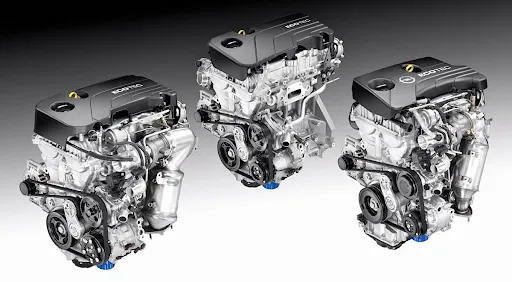

The inspection process also supports warranty protection and installation accountability. Many post-install problems become difficult to defend later if no documentation exists showing what was inspected before the engine was installed. Shops should photograph connector condition, sealing surfaces, shipping condition, and visible wear points as part of the used engine shipping damage check process. A repeatable inspection routine helps reduce blame confusion between suppliers, installers, and vehicle owners while creating stronger documentation for future troubleshooting or warranty discussions.
What must be checked before the engine goes in
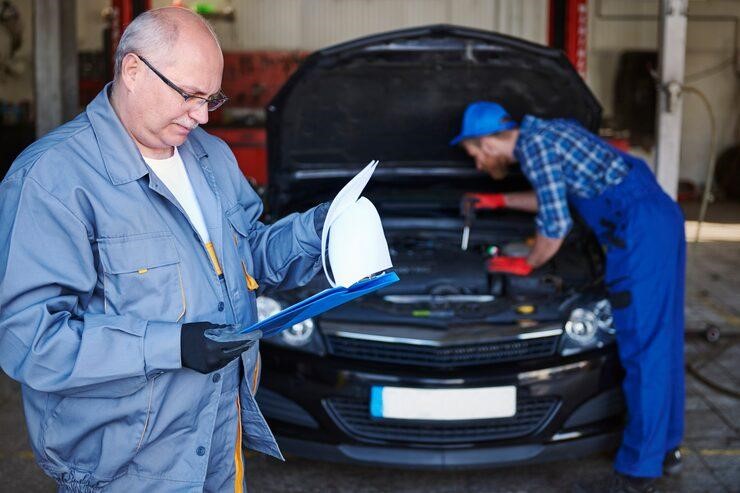
Start with fitment and physical verification before installation begins. Confirm the engine code, VIN compatibility where applicable, emissions configuration, and which components are included or transferred from the original engine. Inspect the engine externally for cracked covers, damaged mounting bosses, bent brackets, stripped threads, shipping damage, or broken sensors. All gasket surfaces should be checked carefully because small sealing defects can create major leaks after startup.
Internal inspection is equally important during the process. Rotate the engine manually to confirm smooth movement and inspect accessible timing and valvetrain areas whenever possible. A borescope inspection helps inspect cylinder walls, piston crowns, rust, coolant contamination, sludge, metallic debris, and foreign material. Shops that inspect used engine before installation consistently identify problems before the engine operates inside the vehicle.
Supporting systems also need review before startup begins. A replacement engine installed beside contaminated cooling components, failing turbochargers, damaged sensors, brittle hoses, or dirty intake plumbing remains vulnerable even if the long block itself is healthy. The most effective used engine startup prep process treats the engine and surrounding systems as one complete installation environment. Removing contamination, verifying sensor integrity, and correcting support-system issues before startup helps protect both engine reliability and warranty coverage after installation.
The systems around the engine that must be verified
Cooling, lubrication, intake, exhaust, and fuel systems should all be considered part of the pre install engine verification process. If the original engine suffered an internal failure, debris and contamination may still exist inside coolers, intercoolers, oil passages, lines, or housings. Installing a good used engine into contaminated supporting systems is one of the fastest ways to create repeat damage and unnecessary warranty disputes. Cooling contamination is particularly dangerous because restricted heat transfer can quickly overheat the replacement engine during initial operation.
The intake and turbocharger system also deserve close inspection. Intake piping should be checked for rust, debris, oil saturation, or foreign material that may have accumulated during storage or from the original engine failure. Turbochargers being reused should be inspected for shaft play, oil leakage, damaged compressor wheels, and housing contamination before installation. Diesel applications should include fuel-system inspection as well because contaminated injectors, filters, or lines can damage the replacement engine immediately after startup if ignored during preparation.
Proactive replacement of wear items should also be part of the used engine pre install checklist. Front and rear seals where accessible, valve cover gaskets, hoses, belts, thermostats, filters, mounts, clamps, and common leak-point components should all be evaluated carefully. Replacing these items while access is easy helps reduce repeat labor later and improves the long-term reliability of the installation. Small supporting components often determine whether the engine feels dependable after the repair is complete.
Houston Engines recommends documenting all inspection findings before installation begins. Photos, notes, and organized records help identify issues early and create defensible documentation if later problems appear. A careful inspection process protects installers from unnecessary blame and helps distinguish between engine-related concerns and separate external component failures after startup. For additional guidance about how to inspect used engine before installation or review your used engine pre install checklist, contact us before the installation begins.
Preparing for first startup the right way
Once inspection and verification are complete, startup preparation should follow a controlled process rather than a rushed first fire. Proper used engine startup prep includes priming the oil system where appropriate, installing clean filters, verifying correct fluid specifications, checking torque on transferred components, and confirming all electrical connectors and grounds are secured properly. Before startup, shops should inspect for loose hardware, disconnected sensors, pinched wiring, or forgotten brackets that could create immediate drivability or warning-light issues after the engine starts.
The first startup should be treated as the final inspection stage rather than the beginning of troubleshooting. Oil pressure, coolant circulation, leaks, noises, smoke behavior, charging performance, and scan-data readings should all be monitored immediately. A disciplined pre install engine verification process makes startup diagnostics far more meaningful because unnecessary unknowns have already been eliminated before combustion ever begins. Houston Engines supports careful installation planning because the best used-engine replacements depend on preparation, inspection, documentation, and controlled startup procedures rather than luck alone.
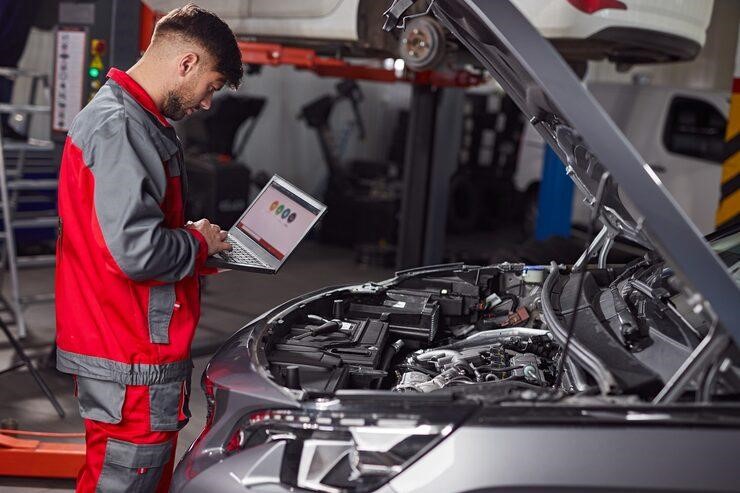
Used Engine Pre-Install Reliability Checklist
Verify engine identity and fitment before installation begins. Engine code, VIN compatibility, included components, emissions configuration, and transfer requirements should all be confirmed during the pre install engine verification stage to avoid installation delays or compatibility problems later. Correct identification is the foundation of a successful used-engine installation and protects both labor investment and warranty confidence.
Inspect the engine externally and internally before the engine enters the chassis. Cracks, damaged connectors, stripped threads, poor oil condition, sludge, rust, or cylinder-wall damage discovered during the used engine shipping damage check process are much easier to address before installation than after startup. Borescope inspection and manual rotation help reveal hidden problems early while access remains easy.
Treat surrounding systems as part of the used engine pre install checklist rather than separate issues. Cooling contamination, intake debris, turbocharger damage, dirty fuel systems, weak mounts, and damaged sensors can quickly destroy a healthy replacement engine after installation if they are ignored during preparation. Supporting-system verification is one of the most important parts of reducing repeat labor and protecting long-term reliability.
Document every step of the inspection and startup preparation process carefully. Photos, notes, fluid-condition observations, and startup checks create valuable records that support warranty discussions and help prove the engine was prepared responsibly before operation. A disciplined inspection process reduces surprises, improves accountability, and helps turn a used engine installation into a more dependable long-term repair.
Get our latest news and promos
QUALITY ASSURED


SATISFACTION GUARANTEED

UNPARALLELED SUPPORT
Houston Engines
Proud Member


Social Media
Payments Accepted
Ship Via