Mon - Fri: 8am - 5pm, Sat - Sun: Closed

6-36 Month Warranties
We Ship Local.
Hablamos Español.
Connect with
Used-Engine Borescope Inspection Playbook
Used Engine Borescope Inspection
Why borescope inspection changes buying confidence
A used engine can appear clean externally yet still hide serious internal problems such as cylinder wall damage, coolant intrusion, ring sealing loss, or foreign-object impact inside the combustion chamber. That is why a used engine borescope inspection is one of the most effective evaluation steps before purchase or installation, allowing technicians and buyers to visually inspect internal surfaces without disassembly and uncover issues that compression numbers or external photos may not reveal.
A structured borescope inspection used engine process improves decision-making by documenting real internal condition and distinguishing normal wear from issues like cylinder wall scoring used engine damage, oil wash, rust, or abnormal carbon buildup, reducing the risk of installing a faulty unit.
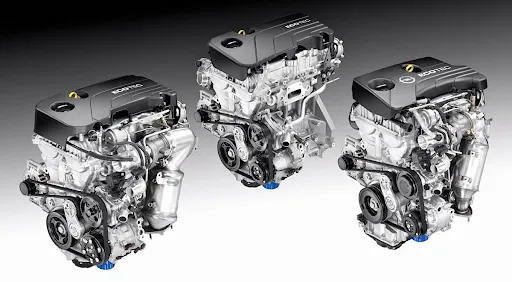

The goal of inspection is not to find a flawless engine, but to identify acceptable wear versus clear failure indicators. Consistent image capture, proper lighting, and organized inspection notes turn a borescope inspection into a repeatable process rather than a subjective opinion, ensuring more reliable evaluations. For shops and installers, this approach reduces unexpected failures after installation and provides solid documentation if a unit must be rejected due to internal defects before labor costs rise or warranty risk increases significantly.
What to photograph and what to measure

Begin by capturing clear images of each cylinder wall at multiple positions—top, mid-stroke, and lower areas where visible. Focus on documenting crosshatch condition, vertical scoring, discoloration, rust, and polished sections that may indicate abnormal ring contact or oil wash. Next, photograph piston crowns to identify uneven carbon deposits, coolant-cleaned surfaces, detonation pitting, or oil saturation. If accessible, include valve areas and combustion chamber edges, especially where burning or impact marks appear.
In a borescope inspection used engine workflow, measurements are typically comparative rather than numerical. Each cylinder should be evaluated against the others for consistency in wall finish, deposit patterns, and signs of fluid entry. When possible, combine inspection results with compression or leak-down testing. This correlation strengthens diagnosis because visual irregularities aligned with sealing loss or coolant symptoms provide clearer evidence of internal wear or damage.
Inspection photos should be organized and labeled by cylinder number to maintain traceability, with wide-angle shots showing overall cylinder condition and close-ups highlighting defects like scoring or pitting. Short notes such as “light wear only,” “partial crosshatch visible,” or “possible coolant-cleaned piston” improve clarity. A well-documented inspection creates a stronger used engine buyer checklist, supports informed decisions before installation or purchase, and helps identify internal issues early, reducing the risk of unexpected failures and ensuring a more reliable evaluation process.
Walk-away findings and common misreads
Certain findings should immediately raise concern during a used engine borescope inspection. Deep vertical scoring, heavy rust inside cylinders, clear coolant-washed piston crowns, broken ring-land evidence, or impact damage from debris are strong indicators of internal failure. These are not cosmetic issues and often point to significant problems such as overheating, hydrolock, or advanced wear that makes the engine a poor candidate for installation. Identifying these warning signs early can help avoid costly repairs and unreliable performance after installation.
Uneven deposit patterns also provide important clues during a used engine borescope inspection. A piston crown that appears unusually clean compared to others may indicate coolant intrusion, while excessive oil wetness in a single cylinder can suggest ring wear, valve seal failure, or turbo-related oil entry depending on engine type. Light crosshatch fading may be acceptable, but polished cylinder walls combined with scoring or oil wash are common walk away signs used engine purchase scenarios that require caution and careful evaluation.
Misinterpretation is a common issue during inspection and can lead to incorrect decisions. Uniform carbon buildup is normal and does not automatically indicate failure in a used engine borescope inspection. However, ignoring differences between cylinders is a mistake. The value of borescope inspection lies in comparison—when one cylinder differs significantly from the others, it often reveals the underlying problem. Lighting angles can also distort appearance, so capturing images from multiple angles helps confirm findings accurately.
Houston Engines treats borescope inspection used engine results as part of a complete verification process. Visual inspection should be combined with compression testing, oil condition analysis, and application-specific checks. Strong borescope results can support confidence in a used engine, while clear internal damage can prevent costly installation mistakes. Choosing an engine with verified condition is always more reliable than relying on mileage claims alone.
Building a reliable inspection decision process
A dependable inspection process begins with consistency. Using the same borescope, lighting setup, cylinder order, and checklist for every inspection ensures comparable results across all evaluations. Notes should clearly identify each cylinder, summarize wall condition, describe piston crown appearance, and flag any irregularities that require additional testing. This consistent approach strengthens a used engine borescope inspection by reducing guesswork and improving accuracy. It allows both buyers and sellers to rely on clear, repeatable evidence instead of subjective judgment, helping prevent misunderstandings and disputes during the evaluation process.
Final decisions should consider the complete picture, including mileage, service history, oil condition, and any available diagnostic data. If borescope findings reveal cylinder wall scoring used engine damage, coolant intrusion, rust, or severe inconsistencies, walking away is often the safest and most cost-effective choice. Houston Engines can assist with inspection guidance and verification steps so buyers select engines that meet reliability expectations and protect warranty coverage, ensuring a more confident and informed purchase decision overall.
Used Engine Borescope Inspection Checklist
Photograph each cylinder wall in a consistent sequence and compare them carefully for crosshatch condition, scoring, polishing, and rust. Maintaining the same order ensures reliable comparisons across all cylinders during a borescope inspection used engine process. Differences between cylinders often provide more insight than individual images viewed in isolation, helping identify localized wear, early damage, or conditions that could affect long-term performance and reliability.
Document piston crowns and visible chamber areas with close attention to detail. Look for coolant-cleaned surfaces, detonation marks, oil saturation, and foreign-object damage. A clean piston crown in one cylinder may indicate a problem if other cylinders show normal carbon buildup, suggesting coolant intrusion or abnormal combustion. When such issues appear significant, considering a remanufactured engine may be a safer alternative to avoid future failures.
Combine borescope inspection used engine results with compression or leak-down testing whenever possible. Visual findings supported by measurable sealing loss or fluid-entry symptoms provide stronger diagnostic confidence. This approach ensures that what is seen inside the engine aligns with its actual mechanical condition, reducing uncertainty and improving decision-making for buyers evaluating used engine options.
Walk away from engines showing deep scoring, heavy rust, clear coolant intrusion, broken internal components, or major inconsistencies between cylinders. Proper documentation protects buyers, reduces risk, and ensures only suitable engines are installed. For expert assistance and reliable alternatives like a remanufactured engine, contact us at Houston Engines.
Get our latest news and promos
QUALITY ASSURED


SATISFACTION GUARANTEED

UNPARALLELED SUPPORT
Houston Engines
Proud Member

Social Media
Payments Accepted
Ship Via