
Mon - Fri: 8am - 5pm, Sat - Sun: Closed

6-36 Month Warranties
We Ship Local.
Hablamos Español.
Connect with
Transmission Cooler Sizing for Towing
Transmission Cooler Sizing
Why Extra Cooling Matters for Towing
Towing dramatically increases transmission load, causing fluid temperatures to rise quickly and accelerating wear. Excessive heat breaks down ATF, weakens seals, and stresses clutch packs, especially on long grades, in hot climates, or under heavy load. Even modern transmissions with internal coolers struggle in steep terrain, where rising temperatures affect the torque converter and raise the risk of early failure. Supplemental cooling stabilizes internal pressure, reduces thermal expansion, and maintains proper viscosity.
Adding an auxiliary cooler helps maintain safe fluid temperatures, preventing thermal breakdown and extending overall lifespan. It improves shift quality, supports torque converter lockup, and reduces truck towing heat issues. A properly matched cooler protects used transmissions or older units and preserves drivability during heavy-duty towing.
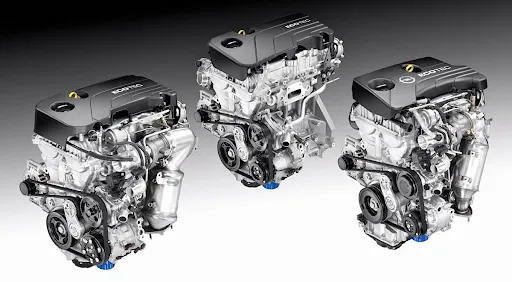

Maintaining proper temperature is the key to avoiding catastrophic failures, especially during long highway pulls or hot-climate towing. When towing transmission temps climb beyond safe limits, ATF oxidizes quickly, reducing lubrication and increasing internal friction. Keeping fluid cool preserves converter efficiency, stabilizes shift timing, and prevents glazing of friction materials. For older or remanufactured transmission units, proper cooling is especially important because they may already operate with tighter tolerances or refreshed components that require stable thermal control to prevent early breakdown.
Choosing the Right Cooler Size
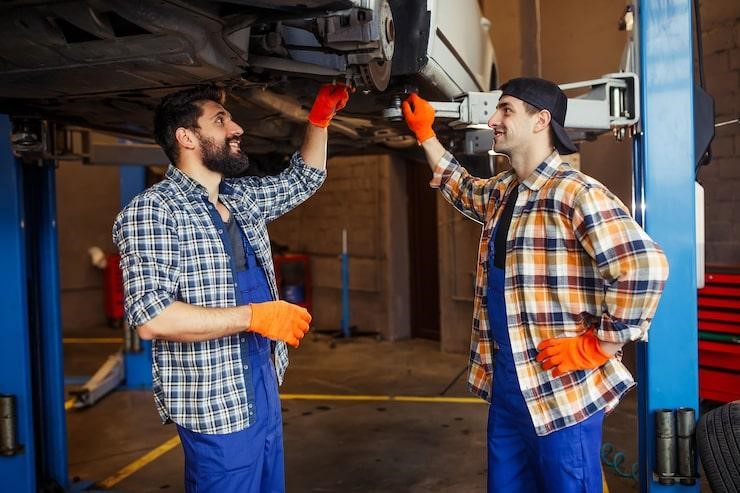
Cooler size is measured in BTU capacity, with higher ratings handling greater thermal load. A typical half-ton truck towing moderate weight may need a 15,000–20,000 BTU cooler, while heavy-duty applications can require 25,000 BTU or more. Plate-and-fin designs are more efficient than tube-and-fin styles because they improve heat transfer and handle higher pressures. Evaluating driving habits, climate, and load duration helps determine whether a cooler should be sized conservatively or oversized. A properly selected BTU rating transmission cooler ensures reliable performance during demanding towing.
When choosing the right cooler, consider truck weight, trailer load, transmission type, and climate. Owners in hot regions or mountainous terrain should oversize for extra protection. Larger coolers allow ATF to shed heat efficiently, maintain towing transmission temps, and reduce torque converter stress.
Matching the cooler to the vehicle’s GVWR ensures stable fluid pressure and effective heat dissipation under extended load. Oversized coolers provide extra protection when towing heavy equipment, while correctly matched fittings maintain consistent ATF flow. Proper circulation prevents pressure drops, supports torque converter stability, and reduces wear on internal components. By keeping transmission temperatures within the optimal operating range, a correctly sized cooler improves reliability, extends transmission life, and ensures consistent performance during heavy-duty towing or prolonged high-load conditions.
Install Tips and Temperature Targets
Mount coolers in front of the radiator or AC condenser for maximum airflow. Side mounting or low-airflow positions reduce efficiency and limit cooling capability during steep climbs or slow-speed towing. Use high-quality hoses and clamps rated for transmission pressures to prevent leaks and ensure consistent circulation. Proper routing helps maintain unrestricted flow, improving thermal regulation and preventing strain on internal components. These installation steps ensure the cooler performs as intended, especially when vehicles are frequently used for heavy towing or travel through high-temperature environments.
Target operating temperatures between 170–190°F during normal driving and 180–200°F when towing. Temperatures above 220°F significantly increase wear, accelerating breakdown of ATF friction modifiers and compromising converter lockup quality. Use a digital temperature gauge to monitor real-time fluid temperature, particularly for trucks pulling heavy loads over long distances. Maintaining correct towing transmission temps helps prevent clutch glazing, varnish formation, and torque converter breakdown, ensuring stable operation and longer service life under sustained load conditions.
Avoid installing the cooler inline with factory thermostatic bypasses unless specifically recommended by the manufacturer. Incorrect routing may restrict flow or delay warm-up in cold weather, affecting shift timing and pressure balance. Proper routing ensures ATF reaches optimal temperature quickly while still delivering adequate heat rejection once operating under load. Trucks equipped with used transmissions or older lines require careful inspection to ensure no internal blockages compromise flow, helping maintain proper cooling function throughout extended trips.
Houston Engines emphasizes cooler upgrades for all towing applications and provides guidance for installers working with remanufactured transmission units. Their support helps ensure coolers are sized correctly, fitted with compatible hardware, and routed for optimal heat removal. Proper cooler selection and installation reduce unnecessary failures and extend transmission life, minimizing long-term repair costs and helping drivers maintain safe operating conditions across varied towing environments.
Preventing Overheating and Pressure Issues
Overheating in transmissions often results from inadequate cooler size, failing torque converters, or clogged radiators. Trucks towing heavy loads generate higher thermal stress, making consistent ATF flow essential to prevent converter slip, reduce oxidation, and maintain optimal viscosity. Regularly inspecting fins, hoses, and mounting brackets ensures airflow is not restricted and helps maintain stable operating temperatures. Monitoring temperature gauges and selecting a transmission cooler with the appropriate BTU capacity are critical steps to avoid pressure imbalances and protect internal components during extended towing or high-load conditions.
For heavy-duty towing, a stacked-plate cooler combined with an auxiliary fan setup can maintain stable ATF flow even under maximum load or in slow-speed, high-incline situations where airflow is limited. These setups deliver reliable cooling, reducing thermal stress on older, high-mileage, or used transmissions that may struggle with sustained heat. Proper cooling safeguards the torque converter, clutch packs, and seals, ensuring consistent performance. Drivers experiencing recurring heat issues should seek professional guidance for cooler upgrades and towing-specific solutions to extend transmission life and improve overall towing reliability.
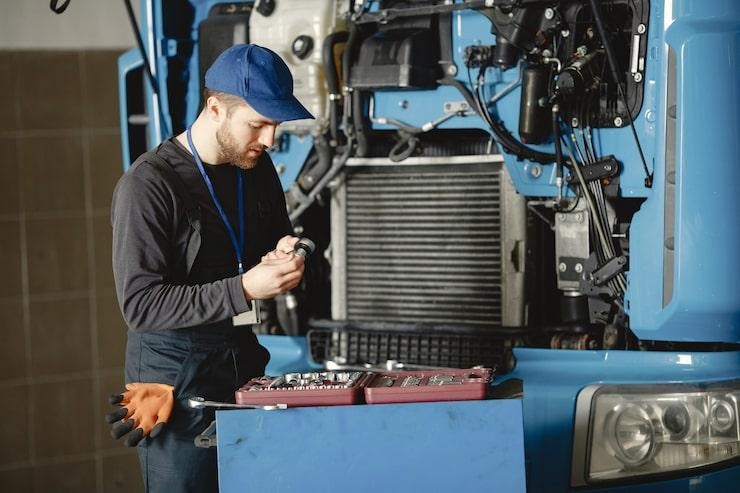
Long-Term Towing Reliability Checklist
Perform fluid changes at shorter intervals when towing. Heat causes ATF oxidation, and maintaining clean fluid keeps clutch packs stable and prevents varnish buildup. For vehicles frequently used for heavy-duty hauling, shorter service cycles offer critical protection by reducing contamination that can accelerate wear on internal components. Consistently fresh fluid supports smoother converter operation and reduces the likelihood of overheating during long trips or steep climbs.
Check cooler lines for chafing and ensure all clamps are torqued correctly. Vibration from towing can loosen fittings, leading to leaks or reduced flow. Inspecting hoses and connections prevents sudden pressure drops that can cause early failure of torque converters or clutch packs. Maintaining secure lines ensures coolers operate efficiently and prevents ATF loss during demanding towing cycles.
Run temperature diagnostics before long trips and inspect for debris blocking airflow. Leaves, mud, or damaged fins reduce a cooler’s ability to dissipate heat and raise towing transmission temps. Ensuring the cooler is free from obstruction stabilizes performance and prevents excessive heat buildup, especially during extended hauling. Proper diagnostics also help identify restricted lines or early symptoms of pressure imbalance.
Houston Engines provides cooler recommendations for reman units based on towing weight, climate, and truck model for maximum reliability. Their guidance helps prevent truck towing heat issues and ensures drivers select the right cooling strategy for their application. With expert recommendations, proper installation, and routine maintenance, owners can extend the life of used transmissions or remanufactured transmission units while preserving long-term reliability and maintaining warranty coverage.
Get our latest news and promos
QUALITY ASSURED


SATISFACTION GUARANTEED

UNPARALLELED SUPPORT
Houston Engines
Proud Member



Social Media
Payments Accepted
Ship Via