
Mon - Fri: 8am - 5pm, Sat - Sun: Closed

6-36 Month Warranties
We Ship Local.
Hablamos Español.
Connect with
Understanding Modern Diesel Fuel Types
ULSD vs Biodiesel
How ULSD and Biodiesel Affect Fuel Systems
Ultra-Low Sulfur Diesel removes sulfur—once a natural lubricant—creating the well-known ULSD vs biodiesel performance contrast. ULSD has reduced lubricity, increasing wear on high-pressure pumps and injectors. Biodiesel, although offering better lubrication, absorbs moisture and oxidizes more quickly, which can clog filters and destabilize long-term fuel storage. Engines operating in towing or heavy-load cycles experience faster wear if fuel stability and lubricity aren’t maintained.
Modern common-rail systems exceed 30,000 PSI, meaning even slight contamination can disrupt injector balance or rail pressure. Reduced lubricity accelerates wear on precision components. Moisture intrusion leads to corrosion, sticking, and injector needle failure. Proper chemical stability and controlled moisture content are therefore essential for common rail fuel system protection across severe operating environments.
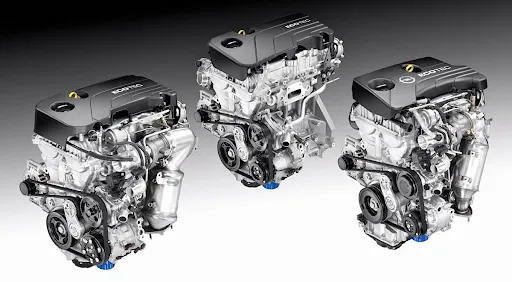

The correct balance of lubricity, stability, and emissions compliance is essential for long-term injector and pump durability. Selecting the right fuel blend and carefully monitoring storage conditions prevents accelerated wear, maintains combustion stability, and protects high-pressure components. Proper fuel management supports reliable performance in both remanufactured and used engine applications, ensuring consistent rail pressure, efficient injector operation, and extended fuel-system life. Maintaining this balance is critical for preventing premature pump and injector failures while preserving overall engine efficiency and emissions compliance.
Choosing Safe and Effective Diesel Additives
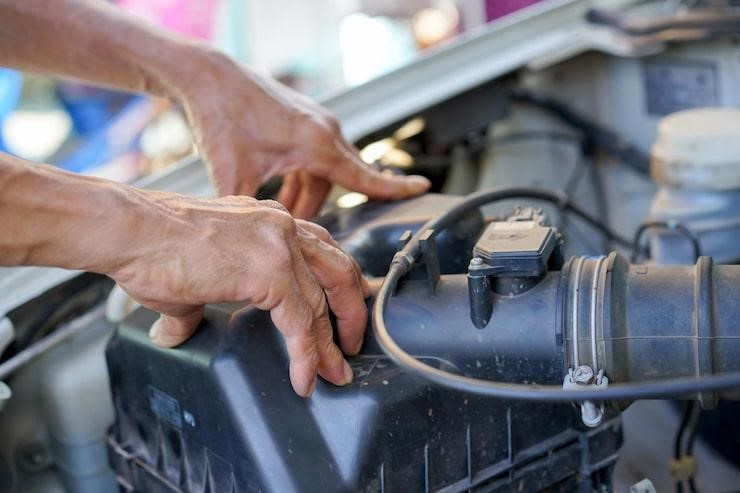
High-quality diesel fuel additives improve lubricity, boost cetane levels, disperse moisture, and enhance oxidation resistance. Formulated without harsh solvents, metallic compounds, or alcohols, these additives protect DPF sensors, SCR systems, and EGR components. They restore ULSD lubricity and help prevent premature wear in CP-series pumps and high-pressure injectors, ensuring long-term fuel-system reliability and supporting consistent engine performance under varying operating conditions.
Cold-weather conditions require anti-gel treatments to prevent waxing, filter plugging, and restricted flow. Winter blends combined with anti-gel additives maintain stable injection performance in freezing climates. Cetane boosters improve ignition efficiency, supporting smoother starts, more stable rail pressure, and reliable operation during high-load towing or extended idling. Proper additive use ensures fuel stability, protects sensitive components, and maximizes engine durability in all conditions.
Avoid unverified or low-quality additives that alter viscosity, damage seals, or negatively affect injector spray patterns. Any diesel additive used should demonstrate measurable improvements in lubricity, chemical stability, and emissions control to ensure safe operation. Proper additive selection protects sensitive components, maintains optimal injector performance, and preserves long-term common rail fuel system reliability. Consistently using certified additives helps prevent premature wear, supports emissions compliance, and ensures high-pressure pumps and injectors operate efficiently across all driving and operating conditions.
Protecting High-Pressure Pumps and Injectors
CP4 pumps, widely used in modern diesel platforms, have extremely tight tolerances and depend heavily on proper fuel lubricity for internal protection. Poor ULSD lubricity can lead to metal shedding, rapid wear, and catastrophic pump failure. Using a verified diesel lubricity additive designed specifically for CP4 pump failure prevention significantly reduces scoring on pump cams, plungers, and injector needles. These additives restore the essential lubricity lost in ULSD reformulation, ensuring smooth operation, maintaining injector precision, and extending the life of high-pressure fuel-system components. Proper additive selection is critical for preventing premature failures and supporting long-term durability in modern diesel engines.
High biodiesel blends, especially B20 and above, oxidize faster and can polymerize during storage, creating deposits on injector tips and other internal components. Engines running these blends benefit from shorter tank storage cycles and more frequent fuel filter replacements. Regular maintenance prevents deposits from clogging fine-micron filters, restores stable injection flow, and minimizes the risk of injector scoring or pump damage. Maintaining fuel quality in biodiesel applications is essential for consistent rail pressure, injector performance, and overall system reliability.
Water contamination is another major threat to diesel fuel systems. Moisture can cause corrosion, erosion, and injector needle sticking, while even small amounts can disrupt pilot injection timing or destabilize rail pressure. Regularly draining water separators and monitoring for water accumulation is one of the most cost-effective ways to protect injectors and high-pressure pumps. Proper moisture control preserves system stability and prevents costly failures.
Houston Engines provides technical guidance on additive use, fuel selection, and preventive maintenance for all remanufactured engines. Their support ensures customers maximize durability, reduce fuel-related failures, and maintain consistent performance across high-pressure systems. By following these strategies, engine owners can protect CP4 pumps and injectors, maintain emissions compliance, and benefit from full warranty coverage, ensuring long-term reliability and optimal fuel-system performance.
Fuel Quality Checks and Long-Term Strategy
Using lab-tested fuel or purchasing diesel from high-volume stations significantly reduces the risk of chemical degradation and contamination. Stored off-road or standby fuel should remain in treated tanks to control oxidation and prevent microbial growth, which can compromise injector performance and rail-pressure stability. Regularly monitoring stored diesel helps prevent injector imbalance, premature wear, and fuel-system instability caused by degraded or contaminated fuel. Maintaining proper fuel quality is critical for both daily operation and seasonal or standby applications, ensuring consistent performance and protecting high-pressure components.
Modern diagnostics allow drivers to track injector feedback values, pilot timing, and rail-pressure stability. Irregular readings often indicate lubrication issues, water intrusion, or degraded additive performance. Identifying and addressing these problems early prevents costly repairs, reduces the risk of CP4 pump or injector failure, and ensures reliable engine operation. Proactive fuel monitoring and maintenance support long-term injector and pump protection, helping maintain emissions compliance and overall fuel-system efficiency in demanding diesel applications.

Fuel System Maintenance and Best Practices
Vehicles operating on biodiesel blends require more frequent fuel filter changes due to faster oxidation and increased particulate formation. Shorter service intervals prevent filter plugging, maintain consistent fuel flow, and reduce strain on high-pressure pumps. Regular maintenance protects injectors from contamination-related failures and ensures stable performance across both daily driving and heavy-duty applications. Proactive filter replacement is critical for preserving injector and pump longevity in engines running B20 or higher biodiesel blends.
In cold climates or during heavy towing, using OEM-approved additives seasonally helps stabilize ignition quality and prevent fuel gelling. These additives maintain proper lubricity, support smooth combustion, and protect sensitive emissions components like DPFs, SCR systems, and EGR valves. Proper additive use ensures reliable fuel delivery and consistent engine performance under demanding conditions.
Stored diesel should be inspected regularly for algae growth and microbial contamination. Microbial buildup produces sludge that clogs filters, corrodes tanks, and threatens high-pressure systems. Treating tanks with biocides and maintaining proper storage conditions protects fuel stability, prevents injector or pump damage, and preserves engine longevity.
Houston Engines provides expert guidance on additive selection, preventive fuel strategies, and fuel-system best practices. Their support helps customers maximize performance, extend service life, and ensure reliability for every remanufactured or used engine supplied. With dependable warranty coverage and accessible technical assistance, Houston Engines helps safeguard high-pressure pumps, injectors, and overall fuel-system health.
Get our latest news and promos
QUALITY ASSURED


SATISFACTION GUARANTEED

UNPARALLELED SUPPORT
Houston Engines
Proud Member



Social Media
Payments Accepted
Ship Via