
Mon - Fri: 8am - 5pm, Sat - Sun: Closed

6-36 Month Warranties
We Ship Local.
Hablamos Español.
Connect with
Used CVT Buyer’s Guide Before You Purchase
Used CVT Buyer Guide
Why CVTs require a different buying mindset
A used CVT should never be evaluated the same way as a traditional automatic transmission. CVTs rely heavily on pulley surface condition, belt integrity, hydraulic pressure stability, clean fluid circulation, and accurate ratio control. When these systems begin wearing down, the transmission may still drive normally enough to move the donor vehicle while already developing internal wear patterns that lead to failure. That is why buying a used CVT requires more caution and supporting evidence for reliability and long-term performance.
Symptoms include: ratio flare, delayed engagement, shudder, overheating behavior, pressure-control inconsistencies, fluid history, testing evidence, donor condition, seller transparency and subtle early warning signs present may exist undetected before purchase.
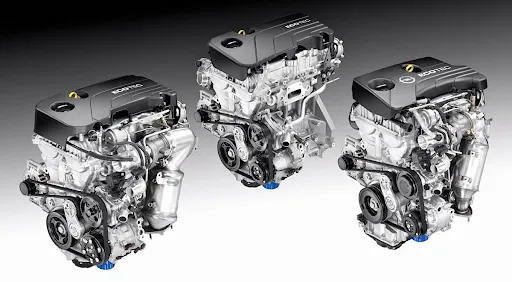
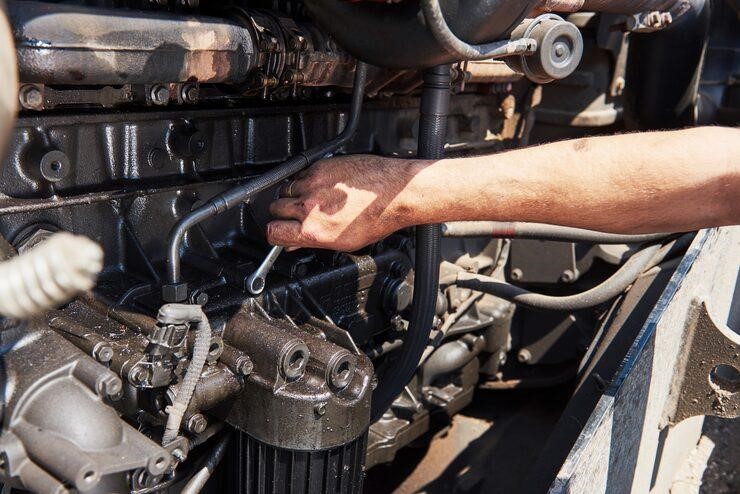
The safest buying process is one supported by documentation and verifiable information. Buyers should confirm how the unit was tested, whether transmission-related codes were stored, fluid condition, and whether seller can verify exact CVT code and application. Without that information, the transmission becomes a high-risk purchase once freight, fluid, labor, and programming costs are added. A careful used CVT buyer guide helps reduce chance of installing a transmission with hidden internal problems appearing after service.
Red flags that should change your decision
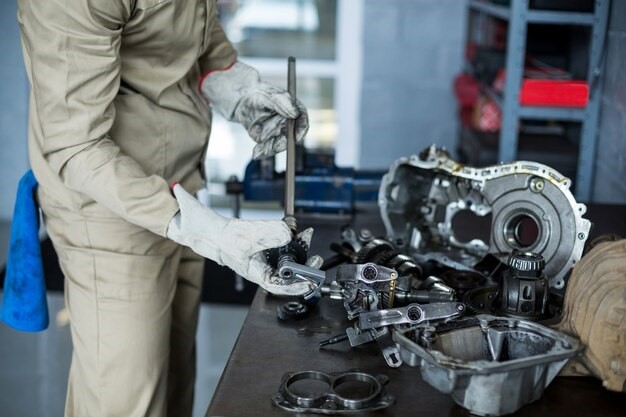
The most serious CVT red flags begin with missing information. Sellers using vague descriptions like “good used transmission” without explaining testing procedures, donor history, or fluid condition create unnecessary risk for the buyer. Another warning sign is an unusually low price without supporting documentation. In many cases, the price reflects uncertainty about the unit’s condition rather than a true bargain. Buyers should also be cautious if the seller cannot explain whether the transmission was road tested, scan tested, or simply removed from a non-running vehicle.
Physical condition matters as well. Cracked cases, damaged pan rails, broken connectors, stripped mounting points, impact damage around cooler fittings or sensor locations are CVT red flags along with application mismatch, calibration strategies, ratio-control designs, and exact unit code required to install, communicate, operate properly.
A proper used transmission paperwork checklist is just as important as the visual inspection. Buyers should request donor VIN information where available, mileage documentation, unit-code identification, warranty details, and any scan reports or testing notes tied to the transmission. If the seller avoids providing this information or the paperwork feels incomplete, the purchase becomes difficult to defend later during troubleshooting or warranty discussions. Strong documentation creates confidence; weak documentation increases uncertainty before the transmission even ships.
Questions buyers should ask before ordering
One of the most important questions to ask before buying a CVT is how the transmission was tested before removal. The word “tested” can mean different things depending on the seller. Did the donor vehicle drive normally? Were any ratio-control or pressure-control codes present? Was fluid condition inspected for metallic debris or burnt odor? Were scan-tool readings reviewed during operation? The more detailed the answers, the more confidence you have that the seller understands CVT condition rather than simply moving inventory.
Buyers should also request complete identification information. This includes the exact CVT code, donor VIN where available, donor mileage source, and the reason the vehicle was dismantled. A transmission removed from a collision vehicle with documented operation is generally safer than one pulled from a vehicle with unexplained drivability complaints. These details matter because buying a used CVT without verified history increases the risk of hidden internal wear or unresolved electronic issues that may only appear after installation and road use.
Another critical topic involves included parts and transfer requirements. Some transmissions are sold as bare assemblies, while others include sensors, brackets, valve bodies, or external fittings. Buyers need clarity on what must be transferred from the original unit because reused contaminated parts or damaged external hardware can affect installation quality and long-term performance. Questions to ask before buying a CVT should always include what is included, what must be reused, and whether the unit requires specific programming or relearn procedures after installation.
Houston Engines recommends approaching used CVT purchases as evidence-based decisions rather than price-driven gambles. Strong paperwork, verified identification, and detailed seller answers significantly reduce risk. Missing information, vague testing claims, and unclear donor history are serious CVT red flags that should slow the process before freight, labor, and setup costs turn a wrong purchase into a major financial problem.
How to reduce risk before installation
Even after approval, the transmission should be inspected carefully before installation begins. Buyers should verify cooler condition, line cleanliness, electrical connector integrity, and any required programming or relearn procedures before startup. Contaminated cooler circuits or skipped setup procedures can quickly damage a replacement transmission or create symptoms that appear to be transmission failure immediately after installation. That often leads to unnecessary confusion and avoidable warranty disputes between the installer and supplier, especially when installation steps were not fully followed or documented.
The best process combines paperwork verification, unit-code confirmation, visual inspection, and disciplined installation planning. For daily-driver vehicles and work-related applications, reducing risk matters as much as the transmission purchase itself. Houston Engines can help buyers review compatibility, documentation, and installation considerations before the transmission is installed. For additional guidance about buying a used CVT or reviewing your used transmission paperwork checklist, contact us before the order is finalized so the replacement process starts with stronger information and lower risk.
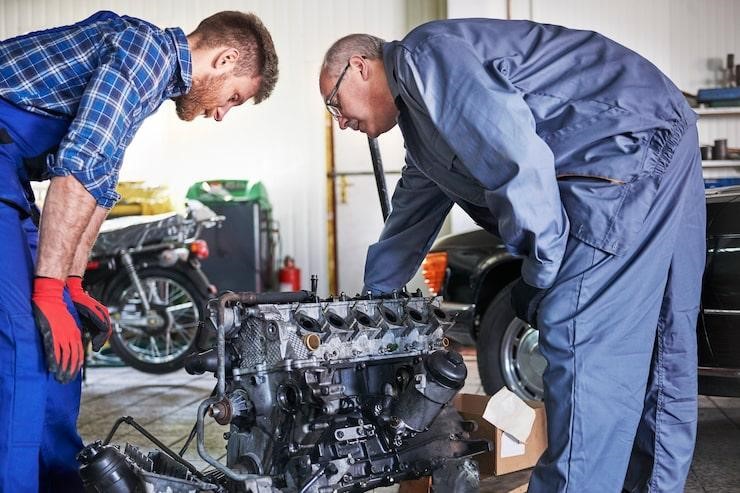
Used CVT buying checklist that avoids mistakes
Verify the exact CVT code and application before purchase. Many transmissions look similar externally but use different ratio-control systems, calibration strategies, or connector layouts that can create installation and drivability problems when mismatched. Even small differences in specification can result in communication errors, poor shifting behavior, or complete non-function after installation, making early verification essential for avoiding costly mistakes.
Use a complete used transmission paperwork checklist before approving the order. Request donor VIN details where available, mileage documentation, warranty information, unit identification, and any available testing or scan-tool records tied to the transmission. This documentation helps confirm the unit’s background and reduces the chance of receiving a transmission with unknown internal wear or incomplete diagnostic history.
Ask direct and detailed questions to ask before buying a CVT. Confirm how the unit was tested, whether any codes were present, how the fluid looked, and why the donor vehicle was dismantled. Specific answers reduce uncertainty and improve buyer confidence, while vague or incomplete responses are strong CVT red flags that should not be ignored during the buying process.
Prepare for installation before the transmission arrives. Verify cooler cleanliness, programming requirements, fluid specifications, and inspection procedures ahead of time. A used CVT becomes a good investment only when both the purchase decision and the installation process are handled carefully from beginning to end, ensuring reliability and long-term performance.
Get our latest news and promos
QUALITY ASSURED


SATISFACTION GUARANTEED

UNPARALLELED SUPPORT
Houston Engines
Proud Member


Social Media
Payments Accepted
Ship Via