
Mon - Fri: 8am - 5pm, Sat - Sun: Closed

6-36 Month Warranties
We Ship Local.
Hablamos Español.
Connect with
Used Hybrid Batteries and Transaxles Buyer Guide
Used Hybrid Battery Buyer Guide
Why hybrid swap parts need extra scrutiny
Hybrid battery and transaxle purchases carry risk than engine or transmission replacements because these components do not operate independently the vehicle. Battery condition, transaxle operation, cooling performance, and module communication interact during hybrid operation. component may appear correct and create drivability, charging, or warning-light problems after installation if hybrid battery state of health, internal wear, or electronic compatibility is poor.
Hybrid swaps system decisions than simple component replacements. A used hybrid battery with weak internal modules or a used hybrid transaxle with bearing wear may operate temporarily while developing conditions that trigger warning lights, poor performance, or repeat labor after the vehicle returns to service. Proper verification purchase is the least expensive opportunity to reduce that risk.
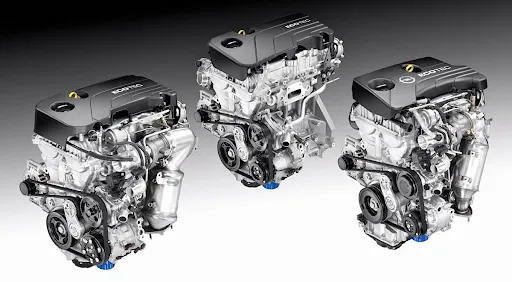

Buyers should approach hybrid components with a much higher standard of proof than many traditional drivetrain parts. Mileage alone does not confirm condition, and seller statements such as “working when removed” fail to explain thermal history, battery balance, cooling-system condition, or transaxle wear. Hybrid systems are labor-intensive and expensive to access, making documentation and compatibility verification extremely important before installation begins. The more labor required for the swap, the more valuable careful pre-purchase verification becomes for protecting both installation quality and warranty coverage.
What to verify on batteries and transaxles
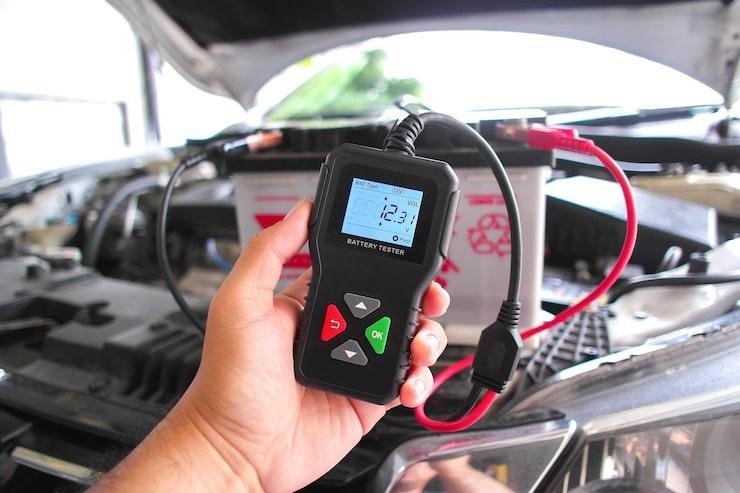
For batteries, buyers should verify donor year, VIN compatibility where applicable, storage conditions, and any available hybrid battery state of health information before approving the purchase. Ask whether the battery was tested under load, whether module-balance data exists, whether cooling ducts were inspected, and whether any hybrid-system fault codes were present in the donor vehicle. Uneven module balance, overheating history, or poor storage conditions can quickly turn a “good used battery” into a short-term repair with unreliable long-term performance.
For a used hybrid transaxle, buyers should verify exact transaxle code, donor application, fluid condition, and whether the donor vehicle showed noise, vibration, contamination, or ratio-related complaints before removal. Ask components included such as sensors, brackets, motor-generator assemblies, or cooling-related hardware. Hybrid transaxle compatibility is stricter, and clean housing does not guarantee internal condition after installation.
Documentation matters because hybrid repairs involve significant labor cost and diagnostic complexity. If the battery or transaxle is weak, mismatched, or improperly identified, correcting the problem later often costs far more than the savings gained from buying a cheaper unit. Buyers should request identification details, testing information, and donor documentation before freight is scheduled. If a seller can provide only generic stock photos and vague fitment claims, the hybrid swap red flags are already significant enough to justify slowing or rejecting the purchase decision completely.
The red flags that should stop the deal
One of the biggest hybrid swap red flags is weak or incomplete documentation. If the seller cannot verify the correct unit code, donor application, or testing history, the buyer is assuming unnecessary risk. Hybrid systems often contain application-specific differences that are not obvious externally, and mistakes usually appear later after installation labor has already been completed. Strong documentation protects both the installer and the customer from avoidable compatibility issues.
Another major warning sign involves thermal abuse or poor cooling-system condition. For hybrid batteries, missing cooling ducts, blocked airflow passages, heat exposure, or improper storage conditions can shorten battery life dramatically. For a used hybrid transaxle, dark fluid, contamination, impact damage, or unexplained residue may indicate bearing wear or internal damage. Heat is extremely damaging to hybrid systems, and evidence of overheating should immediately increase buyer caution during the evaluation process.
Vague language is another serious concern. Statements such as “working when removed” provide almost no useful diagnostic information unless supported by scan data, load testing, module-balance reporting, or donor-condition details. Buyers should ask whether the donor vehicle had hybrid-system warning lights, whether the transaxle operated quietly under load, and whether battery balancing or system scanning was performed before removal. Without those answers, the buyer is paying for assumption instead of evidence.
Houston Engines recommends rejecting hybrid components that cannot be identified or documented correctly before shipment. Strong paperwork, donor verification, and condition testing reduce risk significantly. Weak documentation shifts the entire risk burden to the installer and customer, which defeats the purpose of a careful buying process. Buyers considering hybrid systems alongside gasoline or diesel engine applications should approach hybrid component purchases with the same level of caution applied to any high-value drivetrain replacement involving major labor and warranty coverage concerns.
How to buy used hybrid parts safely
The safest buying process begins with exact component identification and compatibility verification. Buyers should start with part numbers, donor VIN information where available, and confirmation that the system matches the vehicle application correctly. After identity is confirmed, request condition evidence such as hybrid battery state of health reports, balance data, fluid-condition notes, donor test history, or scan-tool information tied to the used hybrid transaxle. Buyers should also verify what components transfer from the original vehicle and whether programming, relearn procedures, or module adaptation will be required after installation.
A disciplined buying process does not eliminate every possible risk, but it reduces the chances of repeat labor, warning lights, drivability complaints, or compatibility failures after installation. Buyers who confirm identity, inclusion level, and condition evidence before payment are far less likely to experience expensive troubleshooting problems later. That is especially important with hybrid systems because a single mismatch or weak component can create system-wide faults unrelated to installation workmanship. For guidance about hybrid compatibility, warranty coverage, or installation planning, contact us before finalizing the order.

Hybrid component buying checklist before the swap
Confirm exact part identity before approving any order. Hybrid batteries and transaxles often contain application-specific differences that cannot safely be assumed based only on exterior appearance or model-year similarity. Correct identification is critical for proper hybrid transaxle compatibility and reliable system communication after installation.
Request documentation showing real component condition rather than relying on seller claims alone. Hybrid battery state of health reports, donor scan data, fluid-condition notes, module-balance information, and testing documentation all help verify whether the component is a safe candidate for installation. A professional used hybrid battery buyer guide always prioritizes evidence over assumptions.
Clarify exactly what is included with the component and what must transfer from the original vehicle. Missing sensors, brackets, cooling-system parts, connectors, or programming-related hardware can create major installation problems later if those details are overlooked during the buying process.
Reject vague listings, weak paperwork, or unsupported claims before freight is booked. Strong hybrid purchases are based on documented evidence, verified compatibility, and realistic condition reporting. This approach reduces the risk of hidden faults that may only appear after installation and vehicle load testing. Buyers should remember that hybrid battery state of health, hybrid transaxle compatibility checks, and donor verification are not optional steps but essential safeguards in high-voltage system sourcing. That process protects buyers from turning one expensive, labor-intensive hybrid swap into a second repair caused by preventable purchasing mistakes. Careful verification always reduces downtime, cost, and repeat labor risk significantly over time operations.
Get our latest news and promos
QUALITY ASSURED


SATISFACTION GUARANTEED

UNPARALLELED SUPPORT
Houston Engines
Proud Member



Social Media
Payments Accepted
Ship Via