
Mon - Fri: 8am - 5pm, Sat - Sun: Closed

6-36 Month Warranties
We Ship Local.
Hablamos Español.
Connect with
How to Verify Mileage on a Used Engine
Verify Mileage Used Engine
Why Odometers Don’t Tell the Whole Story
Odometer mileage is only one piece of the story when evaluating a used engine. Two engines with the same mileage can have different wear levels depending on idle time, towing loads, maintenance history, and operating conditions. Fleet trucks often accumulate thousands of idle hours despite low mileage, while personal vehicles record higher miles at stable highway speeds. Relying solely on an odometer reading creates a misleading picture of engine condition.
ECM engine hours and scan data provide deeper insight into usage. When hours, scan data mileage verification, and physical inspection results are combined, buyers understand the true operating history. This helps identify fuel system faults or overheating and avoid a used engine with excessive wear.
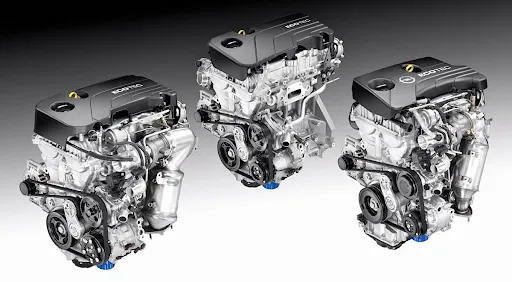
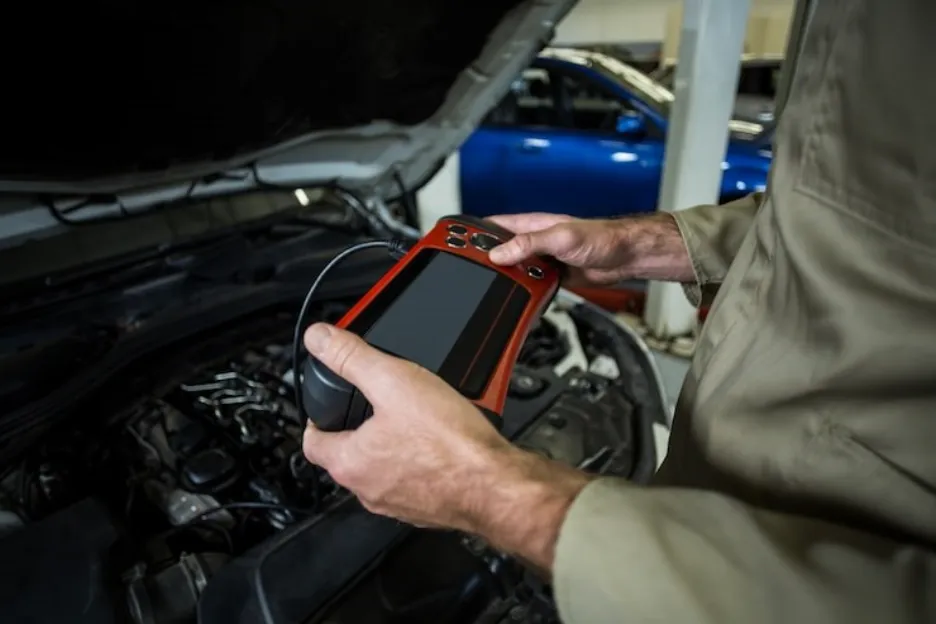
Verification is also important for warranty protection when purchasing a used engine. Documenting checks such as engine hours, scan data review, and physical inspection helps support an informed buying decision. This documentation provides clear evidence of the engine’s condition and usage history, which can help resolve questions if issues arise after installation. For trucks used for towing or heavy-duty work, verifying engine condition before installation significantly reduces the risk of unexpected downtime and early engine failure.
ECM Hours, Module Data, and Scan Tool Checks

One of the first steps to verify mileage used engine claims is checking ECM engine hours when available. Engine control modules often record total run time, helping estimate how the engine accumulated its mileage. For example, an engine with relatively low miles but very high hours likely spent significant time idling or operating at low speeds. This type of usage can increase internal wear differently than engines that accumulated mileage during steady highway driving.
Scan tools can access data stored in vehicle modules. Technicians may retrieve run time, stored fault codes, freeze-frame conditions, regeneration history for diesel systems, and sometimes stored mileage. During scan data mileage verification, technicians should confirm that module information aligns with the reported mileage and does not indicate overheating, fuel system issues, or other serious operating problems.
Scan data should not be viewed as absolute proof by itself. Instead, scan data should be used as corroborating evidence alongside visual inspection and documentation. If engine hours, module data, and physical condition all support the same history, the engine becomes a much safer purchase. When these elements conflict, it is wise to assume hidden wear or previous problems may exist. In such situations, technicians should perform deeper inspection before committing to the purchase to avoid unexpected failures and ensure the engine’s reliability.
Physical Inspection Red Flags That Matter
Numbers and diagnostic data are important, but visual inspection often reveals problems that electronic records cannot show. Begin by examining engine oil condition and checking for fuel dilution, sludge, or coolant contamination. Thick deposits under the oil fill cap or around valve cover areas may indicate neglected oil changes or overheating events. Engines showing heavy varnish buildup or unusual residue often experienced extended service intervals or severe operating conditions. Careful inspection of these areas can reveal maintenance habits that electronic data alone may not fully capture.
Next, inspect the engine for leaks and sealing problems. Oil leakage around rear main seals, front covers, or turbocharger drain areas may indicate high internal pressure, seal wear, or poor maintenance history. For diesel engine platforms, the turbocharger should also be inspected carefully. Excessive oil inside the compressor inlet or outlet, along with signs of compressor wheel damage, may suggest previous lubrication problems or debris ingestion that affected engine performance.
Cooling system evidence can also reveal a great deal about engine history. Stained coolant passages, residue inside the expansion tank, or evidence of oil cooler failure can indicate prior overheating events. Overheating places severe stress on cylinder heads, head gaskets, and sealing surfaces. Even if the engine appeared to run before removal, hidden overheating damage may significantly shorten its remaining service life.
Houston Engines recommends selecting a used engine based on its intended workload rather than relying solely on mileage claims. Trucks used for heavy towing or commercial operation require engines with verified operating history and stable condition. Buyers should request identification tags, donor vehicle information, and confirmation that emissions configuration and calibration match the receiving vehicle. Proper documentation helps ensure compatibility and protects warranty eligibility after installation.
Making the Buy Decision With Documentation
A reliable purchase decision happens when ECM engine hours, scan data mileage verification, and physical inspection results all align. When these factors support the same history, buyers gain a clearer understanding of how the engine was used and its overall condition. If an engine shows high hours relative to mileage, buyers should adjust expectations for remaining life and evaluate whether it suits the intended workload. In demanding situations, choosing a remanufactured engine may offer better long-term reliability. In addition, scan data that reveals repeated overheating events or ongoing fuel system faults should be treated as a warning sign, even if the engine appeared operational before removal.
Careful documentation supports better purchasing decisions and protects future service work. Buyers should record engine identification numbers, ECM hours, scan results, visible inspection findings, and compatibility checks before installation. Houston Engines works with customers to review these factors before purchase, helping match the correct diesel engine to the vehicle’s workload while reducing the risk of unexpected problems after installation.
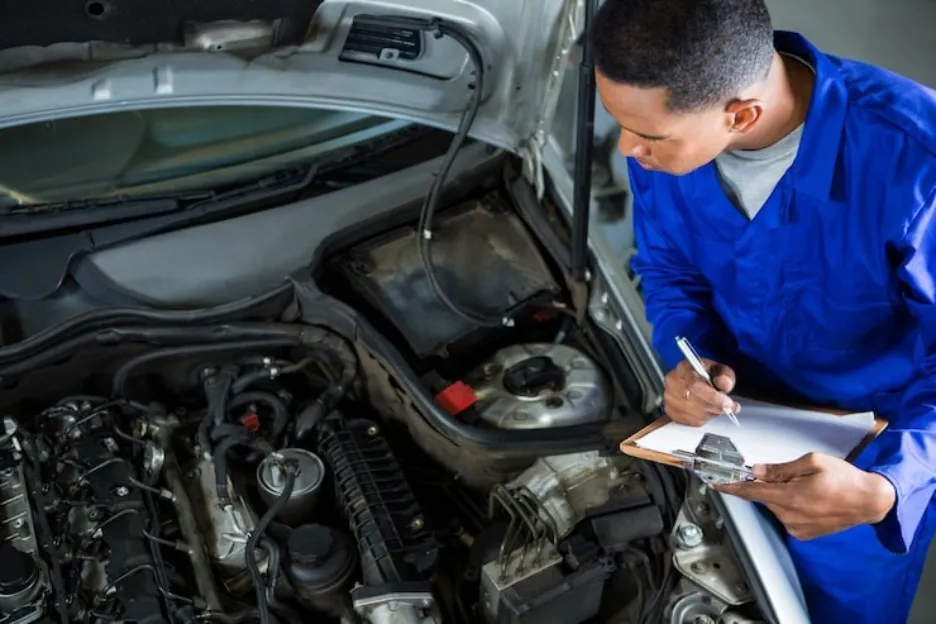
Used Engine Mileage Verification Checklist
Begin by checking ECM engine hours and comparing them with the claimed mileage. Engine control modules record total run time, which helps estimate how the engine accumulated its mileage over time. Engines with low miles but very high hours often spent significant time idling or operating at low speeds. Extended idling can increase internal wear on components such as bearings and valve train parts, even when mileage appears relatively low. Because of this, comparing hours and mileage provides a more accurate picture of the engine’s true operating history.
Next, use scan data to review operating patterns and fault history. Technicians should look for repeated overheating codes, low oil pressure warnings, fuel system issues, and regeneration-related stress in diesel engines. These indicators can reveal how the engine was used and whether it experienced abnormal operating conditions. Consistency across module data helps confirm that the reported mileage reflects actual engine use rather than incomplete or misleading records.
A thorough physical inspection is also essential. Look for sludge buildup, signs of coolant contamination, and evidence of overheating in the cooling system or cylinder head areas. Physical warning signs often reveal problems that electronic records cannot fully show. These red flags frequently predict future mechanical issues more accurately than mileage numbers alone.
Finally, document everything carefully. Record engine hours, scan outputs, identification tags, and inspection notes as part of a used engine buyer checklist. Proper documentation reduces disputes, supports accurate engine selection, and protects warranty coverage after installation. For additional guidance or help selecting a reliable used engine, contact us at Houston Engines.
Get our latest news and promos
QUALITY ASSURED


SATISFACTION GUARANTEED

UNPARALLELED SUPPORT
Houston Engines
Proud Member



Social Media
Payments Accepted
Ship Via