
Mon - Fri: 8am - 5pm, Sat - Sun: Closed

6-36 Month Warranties
We Ship Local.
Hablamos Español.
Connect with
Preventing Engine and Transmission Warranty Denials
Warranty claim denial reasons
Frequent Causes of Warranty Claim Issues
Warranty protection for a remanufactured engine or used engine depends on more than just a clean installation—it requires thorough documentation and adherence to manufacturer guidelines. The majority of warranty claim denial reasons trace back to skipped steps such as improper torqueing, unverified fluid types, or missing service logs. Even a small lapse, like neglecting to record coolant temperature readings, can jeopardize an otherwise valid claim.
Installers must maintain dated service logs, photo documentation, and torque procedure records to qualify for warranty consideration. Proof of compliance ensures a smooth review under the reman engine warranty process, while missing or incomplete data often signals negligence. Careful adherence to every checklist item is essential for protecting your coverage and avoiding disputes later.
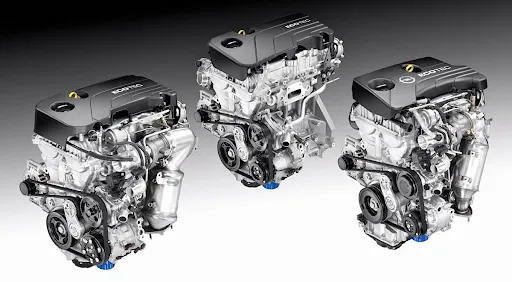

Failing to flush transmission coolers or skipping break-in oil changes are leading causes of early failures. These oversights let contaminants circulate through new components, causing premature damage that can immediately void the warranty. Adhering to preventive maintenance schedules is essential—not just best practice—to protect warranty eligibility and maintain coverage value. Proper maintenance ensures that remanufactured engines and transmissions operate reliably, extending service life while safeguarding your investment against avoidable issues and unexpected failures.
Essential Documentation Needed for Warranty Approval
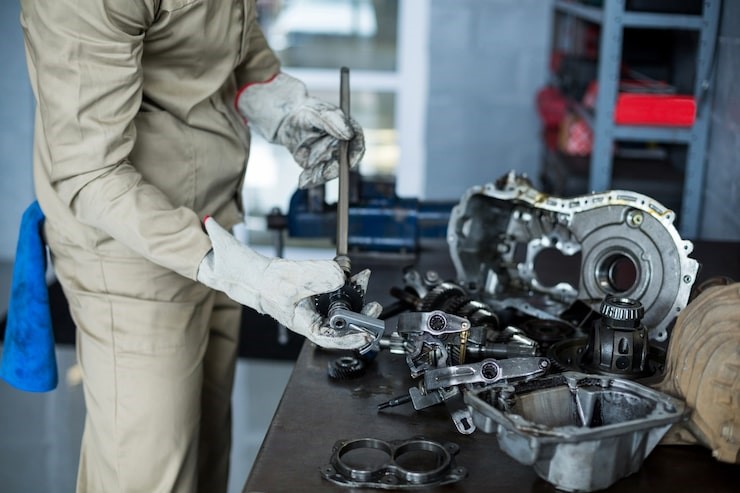
Proper documentation is essential for every successful warranty claim. Keep detailed installation photos, torque wrench calibration logs, and proof of correct fluid usage at all times. Every diesel engine and transmission warranty claim guide emphasizes that records must clearly demonstrate compliance with all installation and service protocols. Accurate, organized documentation ensures that every step of the remanufactured engine or transmission installation is verifiable.
Include copies of invoices showing OEM-approved fluids, filters, and part numbers. Missing or incomplete records are the leading cause of rejected warranty claims. Even minor oversights can appear as neglect without dated evidence of adherence to the reman engine warranty process. Maintaining consistent, thorough records is the strongest defense for protecting coverage and preventing unnecessary claim denials.
Houston Engines’ warranty department carefully reviews all submitted documentation before granting approval. Claims with incomplete or unclear records often face delays or denial. Ensure every submission includes installation photos, torque wrench logs, OEM-approved fluid invoices, and correct part numbers. Accurate and thorough documentation proves compliance with installation and service protocols, minimizes back-and-forth, and protects eligibility for full coverage under the remanufactured engine or transmission warranty. Proper recordkeeping is essential for timely and successful warranty claim approval.
Key Preventive Steps for Engine Installers
Before installing a remanufactured engine or transmission, thoroughly clean all oil coolers, lines, and external housings. Residual debris from previous failures can cause immediate internal damage, which instantly voids warranty coverage. Many warranty claims are denied because contaminants entered the system—something that could have been entirely avoided with proper flushing and cleaning. Ensuring that every component is free of debris sets the foundation for a successful installation and long-term reliability, protecting both the installer and the end user.
Perform all required computer relearn and calibration procedures after installation. These steps are crucial to align timing, pressure, and sensor data with the newly installed components. Skipping these procedures can result in operational mismatches that mimic mechanical failures, such as rough idle, delayed shifts, or inconsistent fuel delivery. Completing all relearn and calibration steps ensures the engine or transmission operates smoothly, meets OEM performance specifications, and maintains warranty eligibility.
Always use OEM-approved fluids for all fill and top-off procedures. Non-approved lubricants can swell seals, restrict flow, or leave residue incompatible with remanufactured components. Technicians who substitute cheaper alternatives risk losing coverage due to chemical incompatibility. Following manufacturer-recommended lubricants ensures proper lubrication, optimal thermal protection, and long-term performance of all remanufactured parts, preventing premature wear or failure.
Finally, document every action taken during installation. Photos, digital records, torque logs, and receipts serve as verifiable proof of compliance with OEM procedures. Maintaining complete documentation strengthens your position during warranty claims, demonstrates adherence to installation protocols, and reduces the risk of claim denial. Consistent recordkeeping, combined with proper cleaning, calibration, and OEM fluid use, is essential for preserving warranty coverage and ensuring reliable operation of remanufactured engines and transmissions.
How Houston Engines Supports You
Every used engine or transmission from Houston Engines includes a printed installation checklist and a detailed warranty guide. These documents clearly outline required procedures, torque specifications, and service intervals, ensuring each installation step aligns with OEM standards. Following these guidelines precisely protects both installers and customers from avoidable warranty denials while maintaining long-term reliability and peak performance of the remanufactured engine or transmission. Adherence to recommended procedures is essential for sustaining warranty coverage and achieving consistent operational results.
Houston Engines also offers pre-claim inspection support, allowing technicians to verify compliance before submitting a warranty request. This proactive review identifies potential issues early, reducing the risk of claim rejection or delays. Shops can resolve concerns in advance, ensuring all installation steps, fluids, and calibrations meet Houston Engines’ requirements. Keeping detailed records, including photos, torque logs, and service receipts, strengthens warranty files. Leveraging these resources ensures smooth claim approvals, protects the customer’s investment, and reinforces confidence in the performance and reliability of every used or remanufactured engine and transmission purchased from Houston Engines.

Documentation and Training for Installer Compliance
Houston Engines offers comprehensive online resources to help installers minimize the risk of warranty claim denials. Shops can register for training modules covering documentation standards, claim preparation, and step-by-step guidance on inspection best practices. These resources ensure installers understand the proper procedures for maintaining compliance, protecting both their work and the customer’s investment. Proper training also reinforces correct installation practices, reducing the likelihood of errors that could affect long-term engine and transmission performance.
In addition, reviewing sample claim packets provided by Houston Engines helps installers understand how to organize and format documentation correctly. These examples highlight what qualifies as acceptable evidence under the reman engine warranty process, showing the level of detail needed for successful submissions. Following these guidelines prevents delays or denials caused by incomplete or improperly prepared claim files, helping shops maintain efficient workflows and consistent results.
Always review warranty terms and conditions before starting any installation. Understanding coverage limitations, service schedules, and required procedures ensures compliance and avoids misunderstandings that could result in claim disputes. This proactive approach protects both the installer and the customer while maintaining long-term equipment reliability.
Houston Engines stands behind every product, from diesel engines to remanufactured engines, but warranty validation requires proper documentation. For questions on eligibility or claim guidance, contact Houston Engines directly. Their technical team provides support to ensure that compliant installers receive the coverage they’ve earned, maintaining OEM-level performance and reliability for every installation.
Get our latest news and promos
QUALITY ASSURED


SATISFACTION GUARANTEED

UNPARALLELED SUPPORT
Houston Engines
Proud Member



Social Media
Payments Accepted
Ship Via