
Mon - Fri: 8am - 5pm, Sat - Sun: Closed

6-36 Month Warranties
We Ship Local.
Hablamos Español.
Connect with
Why Salvage-Yard Photos Are Not Enough
Salvage Yard Engine Photos
What photos show and what they hide
Salvage yard engine photos can confirm basic external condition, but they rarely show the full story of a used engine. A clean valve cover, intact intake, and good-looking harness connectors do not reveal compression health, ring seal, coolant contamination, or internal damage from overheating, oil starvation, or detonation. Photos are only surface evidence and cannot confirm long-term reliability. Buyers trying to verify used engine before shipping must understand this limitation.
Most listing images also miss key details like cylinder condition, oil sludge, timing noise history, donor fault codes, and testing method before removal. Relying only on salvage yard engine photos often turns the purchase into a freight decision instead of an engine decision, making full verification essential.
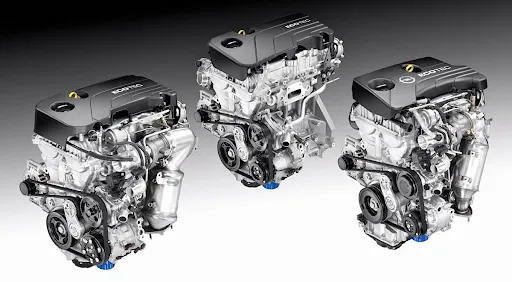
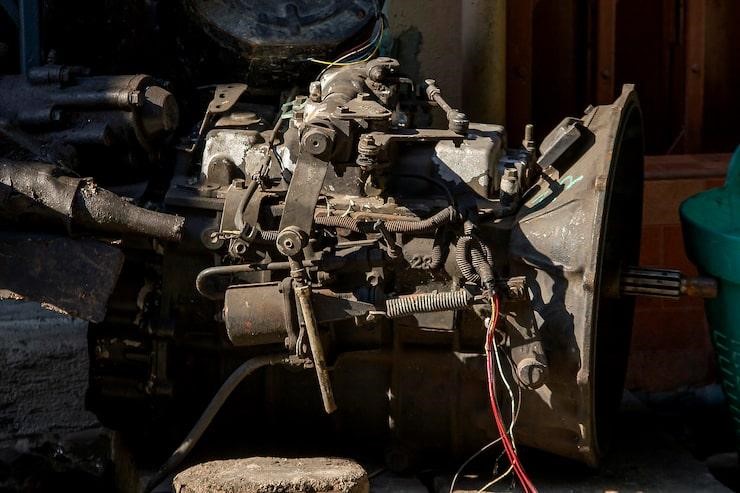
External cleanliness can be misleading. Engines are often washed before imaging, and a clean intake manifold tells you nothing about cylinder scoring, coolant intrusion, or oil dilution. Buyers should treat photos as confirmation of completeness and visible damage only. The real buying decision requires supporting evidence such as compression numbers, leak-down data, borescope inspection images, donor information, and details about how the engine was evaluated before removal. A disciplined used engine buyer checklist reduces risk.
The verification steps that matter before shipping

Before approving shipment, buyers should confirm donor VIN where available, mileage source, engine code, and exact application configuration. Then request condition evidence such as compression readings, leak-down results, or borescope inspection photos showing cylinder walls and piston crowns. If the seller cannot provide donor engine verification, the buyer is accepting unknown internal condition. Strong documentation matters more than salvage yard engine photos.
Buyers should also request oil-condition notes, coolant-condition observations, scan-tool reports when available, and known donor-vehicle symptoms before teardown. Misfire history, overheating complaints, oil-pressure issues, or drivability concerns should directly influence the decision. A strong used engine buyer checklist asks why this engine is safe to ship and install. If the answer relies only on appearance or seller reassurance, the risk remains too high.
Shipping verification matters too. Buyers should ask how the engine will be drained, palletized, protected, and photographed before freight pickup. A properly verified engine can still arrive damaged if packaging standards are poor. Broken sensors, cracked oil pans, bent mounting brackets, and damaged connectors can happen during transport if the engine is not secured correctly. The process to verify used engine before shipping should include both condition review and transport preparation so the approved engine arrives matching documented configuration and condition promised before freight booking.
Common buyer mistakes that lead to bad buys
One of the biggest mistakes buyers make is assuming “running when removed” proves engine health. That phrase may only mean the donor vehicle started and moved. It does not confirm compression quality, oil pressure condition, coolant integrity, timing-chain health, smoke behavior, or internal wear. Another common mistake is letting low price override missing documentation. Cheap engines without proper donor engine verification often become expensive once freight, installation labor, and replacement costs are added later.
Buyers also make the mistake of approving engines based on incomplete salvage yard engine photos. Wide-angle photos without close-up inspection points leave too many unanswered questions. Important visual areas include oil-fill openings, coolant passages, damaged connectors, mounting bosses, timing-cover condition, and borescope images of cylinder walls where available. Photos should support the inspection process, not replace it completely.
Another major problem is poor application verification. Even when displacement and model year appear correct, engines can still differ in emissions configuration, sensor layout, accessory placement, intake setup, or calibration-related hardware. A unit that appears “close enough” in listing photos may create expensive installation problems later. Proper donor engine verification requires confirming fitment details before shipment rather than discovering mismatches after delivery.
Houston Engines recommends using photos as part of a larger evidence package instead of treating them as proof of engine quality by themselves. When salvage yard engine photos are combined with donor data, borescope evidence, testing results, and condition notes, buyers can make stronger decisions with lower risk. Missing documentation, vague seller claims, and unsupported condition statements are serious salvage engine red flags that should slow the process before labor, freight, and downtime become much larger expenses. For additional guidance or help reviewing documentation before purchase, contact us and Houston Engines can help buyers approach used-engine sourcing with stronger verification standards and clearer expectations backed by warranty-supported information.
Building a better pre-shipment approval process
A strong approval process starts with identity, then condition, then shipping readiness. First confirm engine code, donor information, mileage source, and fitment details. Next review actual condition evidence including compression numbers, leak-down results, borescope photos, oil-condition observations, coolant-condition notes, and any scan-tool history tied to the donor vehicle. Finally verify packaging quality, pallet condition, and pre-shipment transport photos so the engine approved by the buyer is the same engine that leaves the yard for freight delivery.
This process reduces risk for both buyers and installers. It prevents freight costs from being spent on engines with avoidable internal problems and creates documentation supporting future warranty discussions if issues appear later. A disciplined used engine buyer checklist may take more time than approving an engine from listing photos alone, but it is significantly cheaper than replacing labor, freight, and customer trust after a failed installation. Houston Engines helps buyers approach donor engine verification with a more complete process that protects reliability and lowers preventable risk before shipment approval.
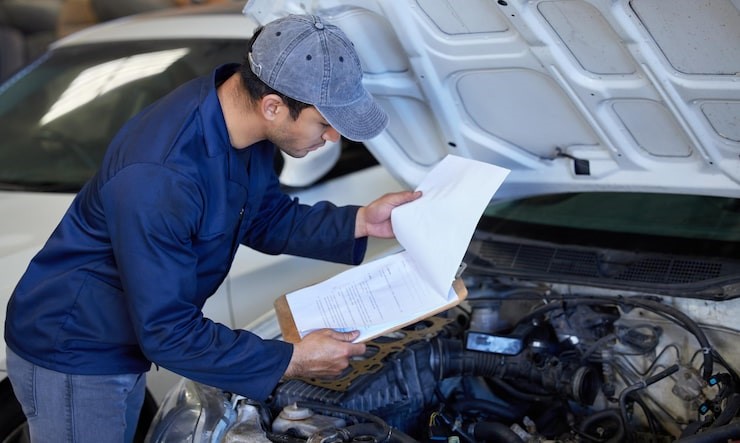
Pre-shipment Used Engine Approval Checklist Guide
Confirm engine identity before reviewing condition. VIN details, engine code, mileage source, and application information must all match before salvage yard engine photos are treated as relevant evidence. Correct identification protects the buyer from ordering the wrong configuration and discovering compatibility problems after delivery. This step ensures the engine being evaluated is truly compatible with the intended vehicle and avoids costly installation errors.
Request real condition evidence beyond appearance. Compression readings, leak-down testing, borescope images, and oil or coolant observations reveal information that exterior listing photos cannot show. Buyers trying to verify used engine before shipping should never depend on appearance alone when evaluating internal engine health, since external cleanliness or presentation can hide serious internal wear or damage.
Treat “running when removed” as incomplete information rather than proof of quality. Ask what tests were performed, whether any warning signs existed, and what symptoms the donor vehicle displayed before teardown. Clear answers reduce uncertainty, while vague claims and missing documentation are major salvage engine red flags during the buying process that often indicate hidden issues.
Verify shipping readiness before freight pickup. Request photos of the palletized engine, confirm how sensitive components will be protected, and review transport preparation details carefully. A strong donor engine verification process combined with proper packaging standards helps buyers avoid unnecessary shipping damage, installation delays, and warranty complications later.
Get our latest news and promos
QUALITY ASSURED


SATISFACTION GUARANTEED

UNPARALLELED SUPPORT
Houston Engines
Proud Member

Social Media
Payments Accepted
Ship Via