
Mon - Fri: 8am - 5pm, Sat - Sun: Closed

6-36 Month Warranties
We Ship Local.
Hablamos Español.
Connect with
CP4 Fuel Pump Failures and Prevention
CP4 Fuel Pump Failure
Why CP4 Failures Become System-Wide
CP4 fuel pump failure rarely remains isolated because the pump feeds the entire high-pressure side of the diesel fuel system. When internal cam or roller wear begins, microscopic metal particles move downstream into rails, lines, and injectors, turning a single component issue into diesel fuel system contamination. Once debris reaches injector control circuits, drivability problems occur, including misfires, erratic rail pressure, and hard-start conditions under load.
Many trucks show subtle CP4 warning signs before full failure. Slight rail pressure drops during acceleration, intermittent stalling, or unusual fuel noise may appear first. Ignoring these symptoms allows metal circulation to spread. Repairs often extend beyond the pump to include injectors, rails, lines, and tank-side components to prevent recontamination.
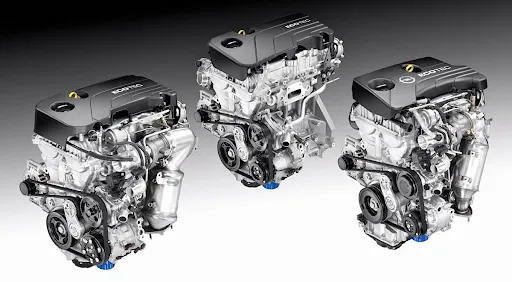

The key decision point in any high-pressure fuel pump repair is determining whether the failure is “clean” or “dirty.” If metal debris is present, replacing only the pump typically results in repeat failure. Inspect fuel filters for metallic particles, evaluate rail pressure stability, and verify injector return flow. Catching CP4 fuel pump failure early can significantly reduce downtime, limit parts replacement, and ensure the repair remains compliant with warranty standards, protecting both engine performance and long-term reliability.
Warning Signs You Should Never Ignore

Common CP4 warning signs include extended crank times, low power during acceleration, and fuel rail pressure codes under load or towing. Some trucks develop hesitation, surging, or intermittent stalls as the pump loses efficiency. A noticeable drop in fuel economy or a ticking or whining noise near the pump can also indicate internal wear. These symptoms often appear gradually before a complete CP4 fuel pump failure occurs.
Inspection should begin with fuel filter analysis. Cutting open the filter and checking for metallic debris is one of the fastest ways to confirm diesel fuel system contamination. Scan tool data is equally important. Compare commanded versus actual rail pressure under load, monitor pressure recovery after deceleration, and evaluate cranking pressure. These data points help determine whether the issue is pump degradation, restriction, or broader contamination.
If metal is visible in the filter, avoid continued operation, because driving the vehicle spreads debris into injectors and increases the risk of cylinder wash or internal diesel engine damage. Once contamination is confirmed, the repair must be treated as a system-level correction. Carefully document all findings, isolate affected components, and replace any parts that could reintroduce debris into a clean system. Following these steps helps protect long-term reliability, preserve engine performance, and maintain full warranty coverage.
Prevention Steps That Actually Reduce Risk
The most effective way to prevent CP4 failure begins with fuel quality and filtration discipline. The CP4 design relies heavily on proper lubrication, making it more sensitive to low-lubricity fuel and contamination than earlier pump designs. Replace fuel filters at recommended intervals—or sooner for trucks that tow, idle for extended periods, or operate in dusty conditions. Maintaining a clean supply path reduces the likelihood of internal scoring, premature wear, and diesel fuel system contamination. Consistent attention to fuel quality is the first line of defense against CP4-related issues, supporting long-term reliability and engine performance.
Water management is equally critical. Drain water separators routinely and confirm that sensors function correctly, as even small amounts of moisture reduce lubrication and increase internal friction. Moisture can accelerate wear, contribute to metal particle formation, and compromise injector performance. Consistent maintenance habits create a stable operating environment for the high-pressure system, significantly lowering risk factors associated with diesel fuel system contamination while promoting safe and reliable operation.
Additives should be selected strategically to supplement—but not replace—proper maintenance. A quality diesel lubricity additive can provide additional protection when fuel quality is inconsistent, but it cannot compensate for neglected filtration. Focus on additives that enhance lubricity and manage moisture without overdosing. Fleet operators benefit from consistent fueling sources and documented service intervals, creating measurable strategies to prevent CP4 failure across multiple vehicles, reduce downtime, and extend the life of high-pressure components.
Scan data monitoring adds another preventative layer. Track rail pressure behavior under load and during throttle transitions, as sudden drops or delayed recovery may indicate early wear. Houston Engines recommends documenting filter condition, scan results, and service history before component replacement. Proper documentation supports accurate diagnostics and helps determine whether a pump-only repair is justified or if broader system service is required, especially when protecting a remanufactured engine installation and maintaining warranty compliance.
Repair Options and What Must Be Replaced
When a CP4 fuel pump failure is confirmed as clean, replacement of the pump with new filters and verification testing may be sufficient. Clean failures generally allow for a straightforward repair with minimal risk of repeat issues. However, a dirty failure involving metal contamination requires a comprehensive repair plan to fully protect the diesel fuel system. This typically includes replacing the pump, injectors, fuel rails, high-pressure lines, and thorough cleaning or replacement of tank-side components. Attempting partial replacement after confirmed contamination often results in repeat failure and can jeopardize warranty approval, increasing downtime and repair costs.
A complete high-pressure fuel pump repair should also address low-pressure lines, install new filters, and verify injector return flow and rail pressure stability after installation. Post-repair testing under load confirms system integrity and ensures proper operation. Proper documentation of contamination findings and replaced components protects both the installer and vehicle owner. Treating contamination as a full system repair—not just a pump replacement—prevents comebacks, maintains diesel engine reliability, and supports long-term performance and warranty compliance across the vehicle’s service life.
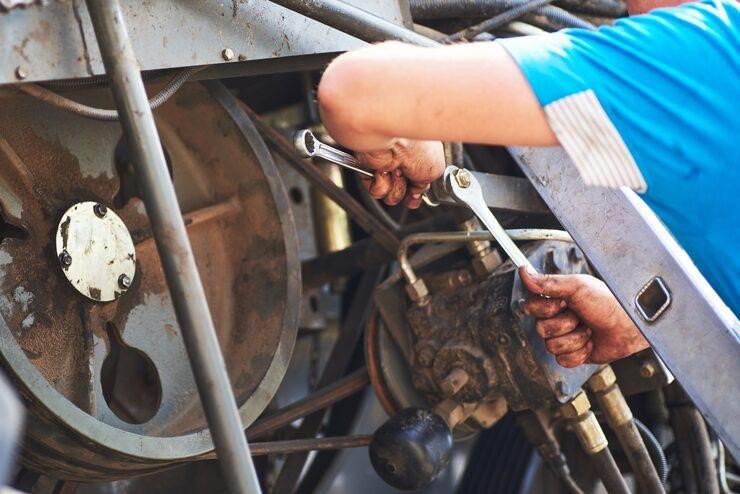
CP4 Fuel Pump Failure Prevention Checklist
Replace fuel filters earlier than scheduled if the truck tows, idles extensively, or operates in severe environments. Clean, unrestricted fuel flow is the first defense against internal pump wear. Consistent filter maintenance directly reduces the likelihood of diesel fuel system contamination and supports long-term high-pressure component durability. Proactive attention to fuel quality and filtration ensures that the CP4 fuel pump and related components operate reliably throughout their service life, minimizing the risk of premature wear or failure.
Inspect fuel filters for metallic debris whenever diagnosing rail pressure complaints. A quick filter inspection can immediately confirm or rule out contamination. Early identification of metal prevents unnecessary parts replacement, helps define the proper repair scope, and reduces the likelihood of repeat failures. Regular inspection and maintenance of fuel system components protect both engine performance and warranty compliance.
Use scan data to verify rail pressure during cranking and under full load. Compare commands and actual readings, and document results before replacing components. Accurate diagnostics minimize guesswork, improve high-pressure fuel pump repair outcomes, and allow technicians to determine whether a pump-only repair is appropriate or if a broader system service is required.
If contamination is confirmed, treat the situation as a complete system event. Replace components capable of reintroducing debris, clean tank-side supply thoroughly, and maintain documentation for warranty validation. For guidance on replacement options, remanufactured engine compatibility, or technical support, contact us at Houston Engines to ensure your repair plan protects performance, reliability, and long-term diesel engine durability.
Get our latest news and promos
QUALITY ASSURED


SATISFACTION GUARANTEED

UNPARALLELED SUPPORT
Houston Engines
Proud Member



Social Media
Payments Accepted
Ship Via