
Mon - Fri: 8am - 5pm, Sat - Sun: Closed

6-36 Month Warranties
We Ship Local.
Hablamos Español.
Connect with
Cummins 6.7L Grid Heater Bolt Inspection
Cummins Grid Heater Bolt Failure
Why One Loose Bolt Can Total an Engine
The grid heater assembly is positioned directly in the intake stream, so any loose hardware can be drawn into the cylinders. During a Cummins grid heater bolt failure, a backing-out bolt may travel through the intake runners and enter the combustion chamber. Once ingested, damage can occur instantly—bent valves, cracked pistons, scored cylinder walls, and turbocharger debris—turning a small hardware issue into severe Cummins 6.7 engine damage.
This problem is especially dangerous because it may not show obvious warning signs at first. A truck can operate nearly normally until the bolt shifts enough to create a ticking noise, sudden misfire, or internal knock. By then, ingestion may have already occurred, requiring major teardown, rebuild, or engine replacement.
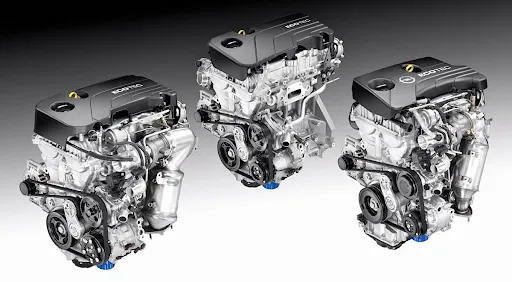
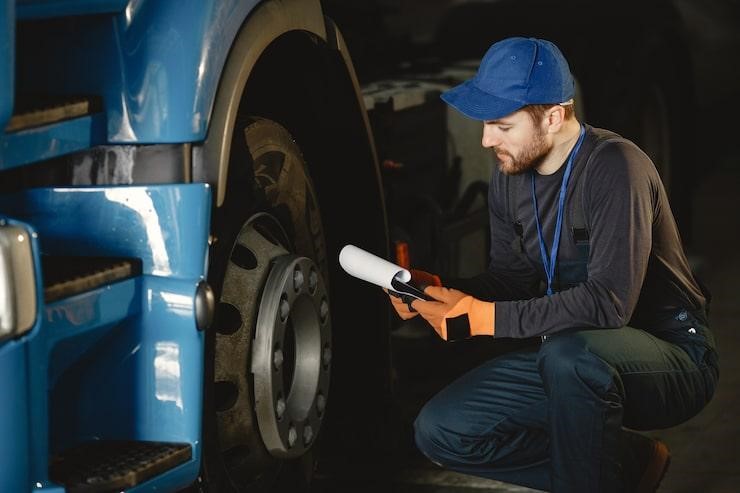
Prevention relies on careful inspection and proper documentation rather than assumption. A thorough 6.7L Cummins intake inspection checks grid heater hardware condition, verifies bolt security, and looks for any movement or wear patterns. This is especially valuable for work trucks and towing applications, where early detection can prevent bolt ingestion. Identifying issues before they escalate helps avoid unexpected downtime, protects the engine, and reduces the cost and complexity of replacing a remanufactured engine, ensuring long-term reliability and safe operation.
Symptoms and Inspection Triggers to Watch

Common grid heater bolt symptoms include new intake ticking sounds, rough idle, misfire codes, or sudden airflow and boost inconsistencies. While many trucks will not show clear symptoms until late in the failure process, any intake-side maintenance interval is an opportunity to inspect. If soot tracking, uneven residue, or loose electrical connections appear near the heater assembly, treat it as a trigger for closer evaluation.
Inspection should verify bolt tightness, confirm the grid heater plate sits flush, and check for hardware movement. Use a borescope when available to inspect intake runners for foreign object evidence. If a bolt is missing or appears loose, do not continue operating the vehicle. Confirm whether any component has entered the cylinders before deciding the next repair step.
If ingestion is suspected, avoid repeated startups, as continued cranking can worsen Cummins 6.7 engine damage if the bolt remains inside the intake or combustion chamber. Document findings carefully, verify hardware count, and perform controlled diagnostics. The goal is to determine whether the issue is limited to the intake assembly or has progressed into piston, valve, or turbo damage before planning repairs, ensuring accurate assessment, minimizing further damage, and guiding effective and safe engine service.
Prevention Options and Service Best Practices
Preventative service begins with scheduled inspection intervals. During routine intake service or filter replacement, verify grid heater hardware torque and overall assembly integrity. Vibration and repeated thermal cycling—especially in towing or heavy-duty use—can gradually affect hardware retention. Catching early movement is the most effective way to prevent bolt ingestion before it becomes catastrophic. Regular inspection ensures that minor issues are identified before they escalate, protecting the Cummins 6.7 engine from internal damage and maintaining reliable operation.
For trucks within mileage ranges commonly associated with Cummins grid heater bolt failure, proactive hardware replacement may be considered. When servicing the assembly, clean mating surfaces thoroughly and ensure the heater plate seats evenly. Follow correct torque procedures precisely, as over-tightening can strip threads or distort the plate, creating a new risk path instead of eliminating one. Attention to detail during assembly reduces the likelihood of future ingestion and supports long-term diesel engine reliability.
After reassembly, validate idle quality and review scan data for stable airflow and fueling behavior. A proper 6.7L Cummins intake inspection includes confirming there are no intake leaks and that electrical connections are secure. Stable idle and balanced airflow readings indicate the system is sealed and functioning correctly, giving confidence that the grid heater assembly is operating safely under all conditions.
Houston Engines emphasizes that prevention is significantly less expensive than recovery. Once ingestion occurs, repair may involve cylinder head removal, piston inspection, turbo evaluation, or complete long block replacement. Documented inspections and service records help support warranty protection and liability coverage. For high-mileage or work trucks, preventative attention to the grid heater assembly is a practical safeguard against unexpected diesel engine failure, minimizing downtime and repair costs.
What to Do If Damage Is Suspected
If a grid heater bolt is loose or missing, stop operating the engine immediately to prevent further damage. Use a borescope to inspect intake runners and, when possible, examine cylinders through glow plug or injector access depending on engine configuration. Listen for abnormal mechanical noises, evaluate compression consistency, and check for signs of valve contact or piston scoring. Controlled diagnosis reduces the risk of compounding internal damage and ensures early warning signs are properly identified, helping prevent minor hardware issues from escalating into catastrophic Cummins 6.7 engine failures.
When damage is confirmed, the decision shifts to repair versus replacement. Minor intake-only issues may allow targeted correction, but piston, cylinder wall, or valve damage often makes replacement the safer long-term solution, especially for towing or heavy-duty trucks. Houston Engines assists customers in selecting the correct remanufactured engine option and identifying supporting components that must be inspected or replaced. Following this process protects warranty coverage, prevents repeat failures, and ensures the Cummins 6.7 engine maintains reliable operation, performance, and long-term durability across its service life.
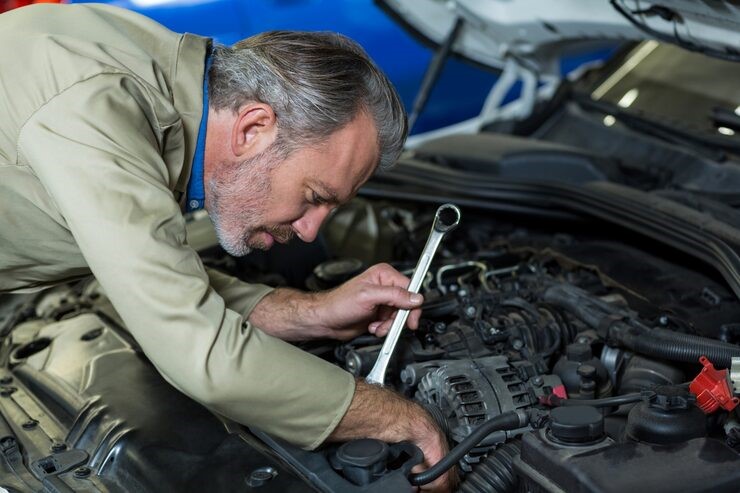
Grid Heater Bolt Prevention Checklist
Inspect grid heater hardware during routine intake service intervals, even if no grid heater bolt symptoms are present. A brief inspection requires minimal time but can prevent a full Cummins 6.7 engine damage event, which is far more costly and disruptive. Early attention to hardware condition is a key preventative measure, especially for work trucks, towing applications, or high-mileage vehicles that experience repeated thermal cycling and vibration.
Document hardware condition carefully during each inspection. Verify that the assembly seats flat, bolts are secure, and there are no signs of movement, soot tracking, or wear. Photos and detailed service notes provide valuable records that support future diagnostics and warranty discussions. Proper documentation ensures that any minor issues are tracked before they escalate into major engine damage, helping protect long-term reliability and performance.
If hardware is loose or missing, do not continue driving. Confirm whether ingestion has occurred before restarting the engine. Immediate verification limits additional internal damage and helps define the proper repair scope, reducing downtime and avoiding costly repairs. Controlled inspection and diagnosis at this stage are critical to preventing catastrophic failures.
After service or component replacement, confirm idle stability and review scan data for consistent airflow readings. A properly sealed intake and verified installation reduce long-term risk. For inspection guidance, replacement options, or assistance selecting a remanufactured engine, contact us at Houston Engines to protect your diesel engine investment, maintain reliable performance, and ensure continued warranty compliance.
Get our latest news and promos
QUALITY ASSURED


SATISFACTION GUARANTEED

UNPARALLELED SUPPORT
Houston Engines
Proud Member



Social Media
Payments Accepted
Ship Via