
Mon - Fri: 8am - 5pm, Sat - Sun: Closed

6-36 Month Warranties
We Ship Local.
Hablamos Español.
Connect with
GM 6L80E and 6L90E Failure Diagnosis
6L80E Problems
Why These Transmissions Fail Under Load
The 6L80E and 6L90E transmissions are widely used in GM trucks and SUVs, and many 6L80E problems and 6L90E failures occur after prolonged heat exposure, towing stress, or extended service intervals. As fluid degrades, pressure control stability declines and clutch apply force weakens. Converter slip increases heat, accelerating friction material breakdown and internal wear, causing shift flare, slipping under load, harsh engagement, and rising operating temperatures that shorten transmission life.
Early symptoms often feel minor to drivers. Slight RPM flare between shifts, delayed engagement into Reverse, or a soft 2–3 shift may seem small, but these signs indicate pressure loss or clutch wear that will worsen. Identifying issues early reduces internal damage and prevents the transmission from becoming non-drivable.
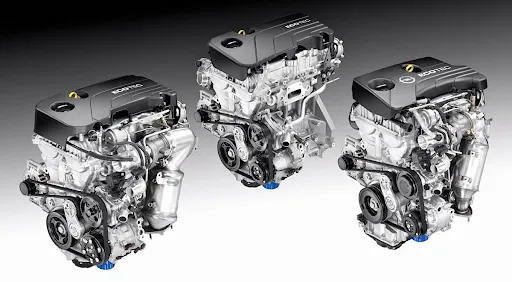
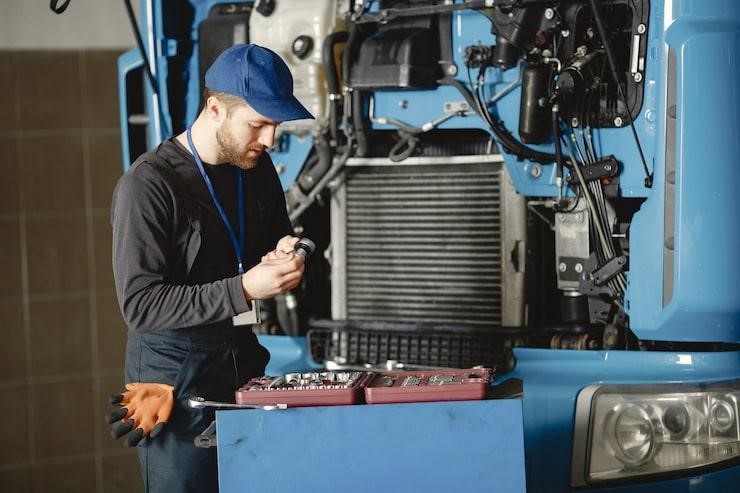
The two most common failure categories involve clutch pack wear—especially 3-5-R clutch symptoms—and torque converter clutch issues. Both generate heat and debris that contaminate fluid and damage valves, solenoids, and pump surfaces. Once contamination circulates, repair costs rise significantly. A structured diagnosis using symptom patterns, scan data, and fluid inspection helps determine whether the issue is isolated or part of broader internal wear, allowing timely action before complete failure occurs and preventing extensive transmission damage.
3-5-R Clutch and TCC Slip Symptoms

A failing 3-5-R clutch commonly presents as slipping in 3rd, 5th, or Reverse, delayed engagement, or noticeable RPM flare during acceleration. Reverse is often the first gear affected, followed by forward gears slipping under moderate load. Drivers may also observe burnt fluid odor, discolored fluid, or pressure-related trouble codes when the clutch cannot maintain holding capacity. Recognizing these 3-5-R clutch symptoms early allows intervention before hard part damage spreads.
TCC slip symptoms include shudder during light throttle lockup, fluctuating RPM at steady cruise, and increased transmission temperatures. Some drivers describe it as a vibration similar to driving over rumble strips. Persistent converter slip generates excess heat that accelerates clutch wear throughout the transmission. Scan tools can confirm slip speed during commanded lockup, helping differentiate between torque converter issues and broader pressure or clutch integrity concerns.
Fluid conditions provide valuable diagnostic clues. Dark, burnt-smelling fluid or excessive clutch material in the pan indicates internal wear rather than a simple electrical or solenoid problem. If debris accumulation is significant, a fluid service alone is unlikely to restore reliability. At that point, evaluating whether a partial rebuild addresses all wear points—or whether a reman 6L80E transmission provides greater durability for towing and work trucks—becomes critical to ensure long-term performance and prevent further damage.
Scan Data and Tests That Confirm Root Cause
Accurate diagnosis begins with live scan data collected under the same conditions where symptoms occur. Compare commanded gear to actual ratio and monitor TCC slip speed during lockup events. A healthy transmission should display stable ratios and minimal slip when lockup is commanded. Rising or unstable slip speed signals converter wear, pressure instability, or valve body leakage affecting clutch apply force. Monitoring temperature trends during towing, highway driving, or heavy-load operation further reveals heat-related degradation patterns. These trends help technicians identify early signs of internal wear before more severe transmission damage develops.
Evaluating shift timing and flare consistency is critical. A repeatable flare between specific gears typically indicates clutch or hydraulic circuit wear rather than intermittent electrical failure. If symptoms appear sporadic, verify wiring connections and solenoid performance. Many heat-related 6L90E failures only become consistent when the transmission reaches full operating temperature under load. Testing under real-world conditions ensures that diagnostic results reflect true operational stress, allowing technicians to pinpoint the root cause and plan appropriate repairs.
Pan inspection provides additional confirmation of internal wear. Heavy clutch debris, metal particles, or excessive magnet buildup indicate significant wear and contamination. A restricted or dirty filter can reduce line pressure, accelerating clutch damage and fluid degradation. Assessing debris levels helps determine whether the problem is isolated to specific clutches or widespread throughout the transmission, which is essential when deciding between partial repair, rebuild, or full replacement.
Houston Engines emphasizes heat management during replacement or rebuild decisions. Trucks paired with diesel engines and used for towing require properly functioning coolers, correct fluid selection, and verified installation procedures. These precautions protect both the transmission and any remanufactured engine, maintain warranty compliance, and ensure long-term reliability under heavy-duty operation. Following these steps allows owners and technicians to prevent repeat failures and extend service life for GM 6L90E-equipped trucks.
Replace or Rebuild: Making the Right Call
A rebuild may be appropriate when failure is isolated and hard parts remain within specification. However, many 6L80E problems involve heat-related wear affecting multiple clutch packs, valve body surfaces, and converter components. Once debris circulates through the system, replacing only select parts may not restore long-term durability or consistent performance. In these cases, a fully tested reman 6L80E transmission often provides greater reliability and repeatable operation, particularly for work trucks exposed to sustained load, towing, or heavy-duty service. Choosing a complete replacement reduces the risk of recurring failures and ensures the truck maintains proper shift quality and torque converter performance under demanding conditions.
After installation, confirm adaptation procedures are completed correctly and monitor post-repair scan data. Stable lockup slip speed, consistent shift timing, and controlled operating temperatures indicate a successful repair. Proper documentation of diagnosis and repair steps supports warranty protection and future service planning. For assistance reviewing scan data or determining the best solution for your truck, contact Houston Engines for expert guidance and recommendations tailored to maximize transmission longevity and reliability.
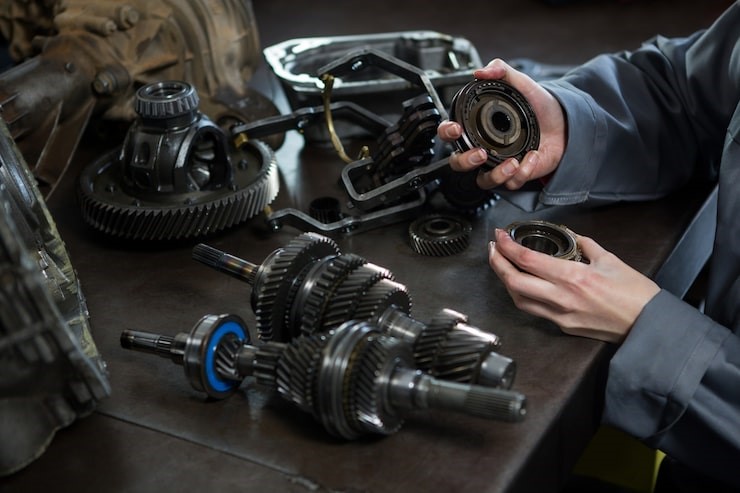
6L80E and 6L90E Reliability Checklist
Use scan data to verify commanded versus actual gear ratios and confirm TCC slip speed under the same driving conditions where complaints occur. Data-driven diagnosis reduces unnecessary component replacement and prevents misidentifying electrical issues as internal failures. Monitoring temperature behavior during towing further confirms whether heat is contributing to clutch wear and allows technicians to pinpoint developing internal stress before it causes major transmission damage.
Inspect fluid condition and pan debris before finalizing the repair scope. Burnt fluid odor, heavy friction material, or metal contamination typically indicate internal wear requiring rebuild or replacement rather than a simple service. Early inspection helps prevent repeat failure caused by overlooked debris circulation and ensures that all affected components are addressed during repair.
Control operating temperatures, especially for towing applications. Verify cooler efficiency, proper airflow, and correct fluid specification to minimize future 6L90E failures. Heat management is essential to protecting clutch integrity, reducing wear, and preserving long-term performance under heavy-duty conditions. Proper cooling and fluid selection extend service life and prevent recurring issues in high-load trucks.
Document all diagnostic findings and post-repair verification results. Records of scan data, debris inspection, and temperature stability support warranty compliance and provide a clear maintenance history. For professional evaluation, reman solutions, or transmission support, contact us at Houston Engines for dependable service, expert guidance, and long-term drivetrain protection for your truck.
Get our latest news and promos
QUALITY ASSURED


SATISFACTION GUARANTEED

UNPARALLELED SUPPORT
Houston Engines
Proud Member



Social Media
Payments Accepted
Ship Via