
Mon - Fri: 8am - 5pm, Sat - Sun: Closed

6-36 Month Warranties
We Ship Local.
Hablamos Español.
Connect with
Diagnosing VGT Turbo Underboost and Overboost
VGT Turbo Problems
Why Boost Codes Don’t Always Mean Turbo
Underboost and overboost codes often lead to unnecessary turbo replacement, but many VGT turbo problems originate elsewhere. A variable geometry turbo relies on precise vane position control to regulate boost and exhaust backpressure. If the actuator cannot move the vanes properly—or the ECM receives incorrect sensor data—boost becomes unstable, causing limp mode, erratic power delivery, and fault codes that may falsely indicate turbo failure.
Before replacing components, determine whether the issue is mechanical or control-related. A split charge pipe, loose intercooler boot, contaminated MAP sensor, or clogged DPF can all mimic VGT turbo symptoms. Proper underboost and overboost diagnosis using scan data review and physical inspection prevents unnecessary expense and avoids introducing new problems into a healthy system.
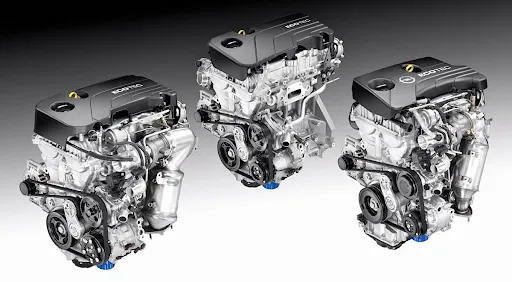

The objective is to confirm three fundamentals: air path integrity, actuator control accuracy, and unrestricted exhaust flow. If any of these are compromised, boost regulation will be incorrect—even with a functional turbocharger. Structured diagnostics reduce guesswork, prevent repeated parts swapping, and protect a replacement diesel engine or remanufactured engine installation from high EGT events caused by airflow or exhaust restrictions, ensuring reliable performance, consistent power delivery, and long-term durability of the VGT turbo system.
Scan Data Patterns That Point to Root Cause

Scan data is the fastest way to separate boost leaks from vane-control faults. Compare commanded boost to actual boost under load, monitor vane position or actuator duty cycle, and validate MAP and barometric readings for plausibility. If boost remains low while vane duty cycle is high, suspect a leak, restriction, or sticking vane assembly. If boost overshoots with erratic vane movement, actuator or sensor control issues are likely. Proper scan review pinpoints the root cause of VGT turbo problems and prevents unnecessary parts replacement.
Exhaust backpressure and EGT trends offer additional clues. A restricted exhaust path can create unstable boost control and trigger overboost codes at moderate throttle. Road testing under controlled load is critical. Proper underboost and overboost diagnosis requires consistent data during acceleration, steady-state cruise, and deceleration to reveal abnormal patterns and ensure reliable diesel engine performance.
Always validate sensors before condemning the turbocharger, as a dirty MAP sensor, incorrect barometric input, or wiring fault can cause the ECM to miscalculate boost targets. Fluctuating or implausible sensor readings must be corrected first to ensure accurate diagnostics. Establishing a stable sensor baseline makes diesel turbo actuator test results and mechanical inspections meaningful, allowing technicians to identify the true root cause of boost issues. This approach prevents repeat faults after repair and safeguards long-term engine performance and system reliability.
Step-by-Step Checks for VGT Turbo Systems
Begin with a complete boost leak check. Pressure-test the charge air system and inspect intercooler boots, clamps, end tanks, and charge pipes for splits or loose connections. Even minor leaks can produce underboost under load while forcing the turbo to work harder, increasing heat and accelerating wear. Also verify air filter condition, intake piping integrity, and sensor cleanliness. Restricted intake flow can elevate EGT and reduce boost efficiency, compromising both performance and long-term reliability of the diesel engine.
Next, perform a diesel turbo actuator test. Use a scan tool to command vane movement through its full operating range. The actuator should respond smoothly without hesitation, binding, or delayed movement. If response is inconsistent, determine whether the actuator itself is faulty or if soot buildup is causing vane sticking inside the turbo. Sticking vanes are common in trucks subjected to frequent short trips or incomplete regeneration cycles, making inspection critical to prevent misdiagnosis.
Then evaluate exhaust restriction. Check DPF differential pressure readings and inspect for clogged DOC or DPF conditions. High backpressure at low throttle often causes unstable vane positioning and false overboost events. In these cases, the turbo may be responding correctly to incorrect exhaust conditions rather than failing mechanically. Understanding the source of abnormal boost behavior is essential for accurate diagnosis and avoiding unnecessary component replacement.
Houston Engines recommends completing these checks before installing any replacement diesel engine or remanufactured engine. Unresolved airflow or exhaust restrictions can create high EGT, overspeed the turbo, and shorten engine life. Document all findings, including scan data and pressure results, so repairs are targeted, efficient, and defensible under warranty review, protecting both performance and long-term reliability.
When Replacement Makes Sense and When It Doesn’t
Turbo replacement is justified only after confirming mechanical damage or persistent vane failure that cannot be corrected. Indicators include excessive shaft play, oil leakage into intake or exhaust paths, damaged compressor or turbine wheels, or confirmed vane seizure during testing. If actuator function is verified and the turbo spins freely, focus on correcting leaks, sensor errors, or exhaust restrictions before replacing major components. Proper diagnosis prevents unnecessary turbo replacement, saves cost, and protects the reliability of the diesel engine. Misdiagnosis can lead to repeated failures, increased downtime, and higher repair expenses, especially in work trucks or towing applications.
After repairs are completed, validate boost performance under load. Commanded and actual boost should track closely, vane position should remain stable, and EGT and backpressure should remain within normal limits. A successful repair eliminates limp mode events, restores predictable power delivery, and reduces the risk of engine stress. This approach preserves long-term durability, particularly when paired with a used or remanufactured engine installation, ensuring reliable operation, optimized performance, and protection under high-load or high-temperature conditions.
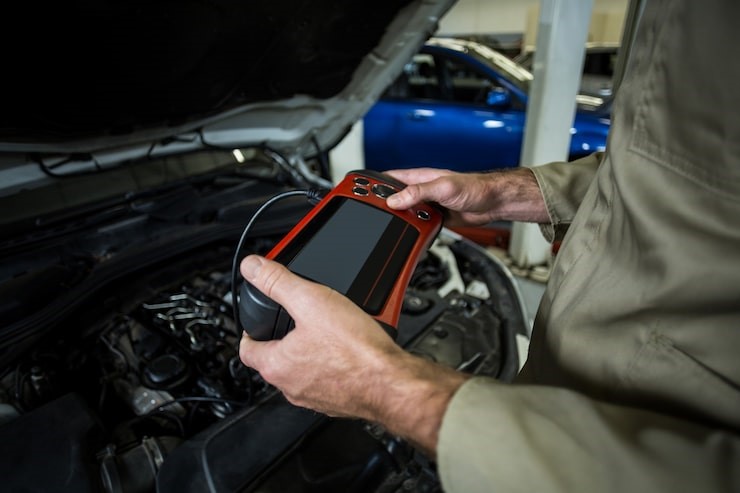
VGT Turbo Diagnostic Reliability Checklist
Pressure-test the charge air system before blaming the turbocharger. Even small leaks can mimic VGT turbo problems under load while increasing heat and mechanical stress. A thorough boost leak check eliminates one of the most common causes of underboost complaints and helps protect the diesel engine from unnecessary wear. Ensuring air path integrity is a critical first step in accurate diagnosis and prevents misdiagnosis that could lead to costly turbo replacement.
Use scan data to compare commands and actual boost while monitoring vane position or actuator duty cycle. If the control strategy is at maximum correction, verify whether the turbo is mechanically capable of responding before condemning it. Observing actuator behavior under load helps determine if the issue is control-related or hardware-based, improving diagnostic accuracy and repair efficiency.
Verify sensors and wiring integrity first. An inaccurate MAP signal, unstable barometric reading, or poor electrical connection can generate variable geometry turbo symptoms even when the hardware is functioning properly. Correcting sensor or electrical issues before replacing the turbo ensures repairs are targeted and prevents repeat faults.
Inspect exhaust restriction metrics, including DPF differential pressure and backpressure readings. A restricted exhaust path can create unstable boost control and elevated EGT. Correcting restriction issues before towing or engine replacement helps avoid repeat failures. For professional guidance or component selection, contact us at Houston Engines to ensure reliable performance and warranty-backed support.
Get our latest news and promos
QUALITY ASSURED


SATISFACTION GUARANTEED

UNPARALLELED SUPPORT
Houston Engines
Proud Member



Social Media
Payments Accepted
Ship Via