
Mon - Fri: 8am - 5pm, Sat - Sun: Closed

6-36 Month Warranties
We Ship Local.
Hablamos Español.
Connect with
DPF, DEF & EGR Compliance Checklist
DPF DEF EGR after engine swap
Why Emissions Systems Matter Post-Swap
Modern diesel engines rely on DPF, DEF, and EGR systems to meet strict EPA and CARB standards. After an engine swap, ensuring these systems function correctly is essential for compliance and optimal performance. They work together to filter particulates, inject urea, and recirculate exhaust gases, reducing nitrogen oxides and soot emissions. Improper installation, mismatched parts, or bypassing components can trigger warning lights, limp mode, or inspection failures.
Maintaining emissions compliance prevents costly penalties and ensures new or remanufactured engines operate efficiently. Installation errors, such as reversed wiring or incompatible sensors, can lead to poor combustion, excessive soot, and reduced fuel economy. Keeping DPF, DEF, and EGR systems intact preserves engine health, prevents warranty voids, and supports reliable operation.
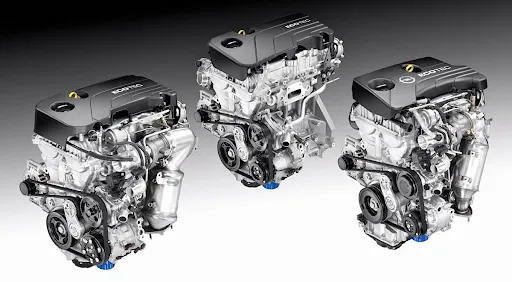
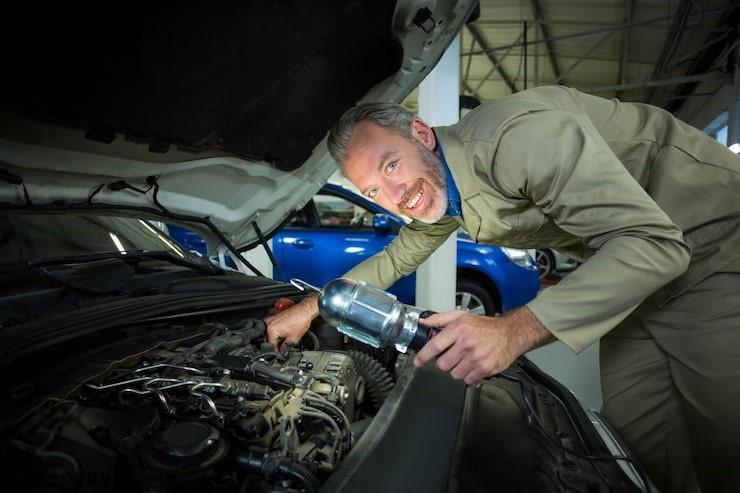
Before starting the engine, reinstall all emissions sensors in their original locations and verify ECU wiring for continuity. Ensure the correct calibration file is loaded to sync with the DEF dosing system, DPF temperature sensors, and EGR flow sensors. Missing, disabled, or mismatched inputs can trigger fault codes immediately. Proper sensor alignment and wiring integrity guarantee stable operation, prevent unnecessary downtime, and support smooth performance during the post-swap break-in process for both used and reman diesel engine applications.
Emissions Sensor and Calibration Checklist
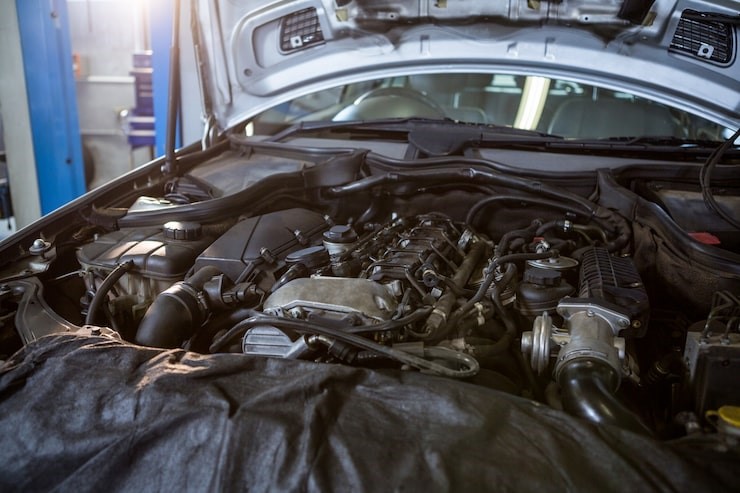
Following an engine swap, precise calibration ensures smooth emissions control and fault-free performance. Begin by verifying DEF injector pulse width and confirming tank heater function. Use diagnostic software to reset DPF soot load and monitor regeneration cycles, as residual data from the old engine may interfere with new readings. Proper initialization prevents false DPF regeneration requests and minimizes fuel waste during idle or highway cycles.
Next, perform an EGR valve relearn and verify pressure differential readings to confirm accurate exhaust gas flow. Calibrating these systems after installation ensures optimal combustion temperature and prevents premature filter clogging. Proper calibration also reduces the risk of false “regen” triggers or excessive soot accumulation, keeping your diesel engine efficient and compliant with emissions standards.
When replacing engines across model years or ECU types, ensure all temperature, NOx, and pressure sensors match firmware specifications. Even small variations in sensor voltage can cause inaccurate readings, leading to restricted performance or limp mode. Always cross-reference part numbers and verify software compatibility before completing the installation. Proper sensor matching and calibration maintain optimal engine operation, prevent diagnostic errors, and ensure both used and reman diesel engines deliver reliable performance and long-term compliance with emissions requirements.
Preventing Issues from Emissions Deletes
Tampering with emissions systems—commonly referred to as an “EGR delete” or “DPF delete”—poses significant risks to both compliance and engine performance. Performing these modifications violates federal law, voids manufacturer warranties, and exposes vehicle owners and repair facilities to fines under EPA enforcement. Beyond legal consequences, deleting emissions equipment disrupts exhaust flow and air-fuel ratios, leading to drivability issues, rough idle, and accelerated wear on critical components such as turbochargers, injectors, and sensors. While some may pursue short-term power gains, the long-term reliability consequences far outweigh any immediate benefits, making emissions deletes a costly and risky modification.
Factory emissions systems are engineered to regulate exhaust temperature, pressure balance, and particulate control, ensuring consistent fuel economy, reduced wear, and long-term engine durability. Removing or bypassing these systems can interfere with DPF regeneration, impair catalytic efficiency, and trigger sensor errors. Engines with deleted or altered emissions equipment often experience inconsistent performance, reduced fuel efficiency, and increased maintenance requirements, which can quickly escalate into expensive repairs and operational downtime. Maintaining the original emissions configuration preserves proper system function and supports stable, reliable engine operation.
After a rebuild or engine swap, retaining factory emissions setups is essential for maintaining DPF health and ensuring proper regeneration. Manual regen cycles may be required to prevent soot saturation and avoid power loss. For shops and technicians, strictly following OEM emissions procedures not only reinforces vehicle reliability but also safeguards against regulatory fines and prevents costly rework, ensuring compliance and customer satisfaction.
Houston Engines offers fully compliant remanufactured engines built to integrate with factory DEF, EGR, and DPF systems. Each unit undergoes testing and verification to ensure plug-and-play compatibility, preserving proper calibration and emissions performance. By retaining OEM emissions integration, every reman engine delivers consistent power, efficiency, and regulatory compliance from day one, protecting both engine longevity and long-term operational reliability.
Post-Installation Emissions Compliance and Maintenance
After installation, performing emissions readiness checks is essential to ensure both compliance and proper engine operation. Technicians should run full drive cycles using certified diagnostic tools to confirm that all readiness monitors have completed successfully. Recording freeze-frame data and verifying that active emissions sensors—such as DPF, DEF, and EGR—operate within normal thresholds is critical. These steps certify that the vehicle meets state and federal inspection standards, preventing future compliance flags and ensuring the diesel engine functions efficiently under all operating conditions.
Maintaining detailed emissions data logs, including injector balance rates, regen intervals, and pressure differential readings, supports shop accountability and customer transparency. For swap-related projects, verified data gives technicians confidence that the work meets EPA and OEM requirements. Using certified scan tools to capture “before” and “after” performance baselines documents proper calibration and helps support warranty claims. Consistent monitoring of emissions systems prevents unexpected service disruptions, ensures the diesel engine maintains optimal efficiency, and guarantees that the installed engine delivers long-term reliability while remaining fully compliant with federal and state regulations.
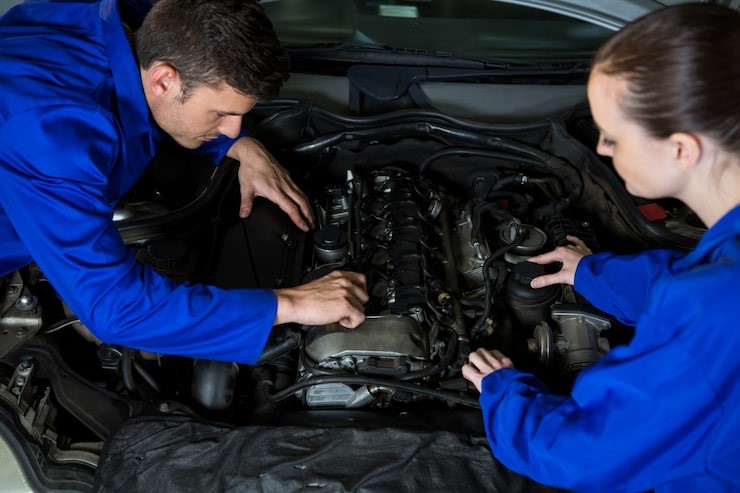
Engine Support and Documentation Guidance
Proper documentation is the foundation of long-term compliance and diesel engine reliability. Always install manufacturer-specific calibration files tailored to your remanufactured engine. Avoid reflashing ECUs with non-EPA-compliant software, as this can alter DEF dosing, EGR duty cycles, or DPF regeneration thresholds. Maintaining OEM calibration ensures emissions control remains balanced, prevents costly reprogramming errors, and supports consistent engine performance. Accurate calibration from day one protects both the vehicle and the installer from compliance issues.
Before and after any engine swap, it is critical to record diagnostic scan results showing all monitors in “ready” status with no pending fault codes. Include DPF soot levels, DEF quality readings, and EGR flow parameters in your records. Keeping this detailed data confirms proper system setup, supports shop accountability, and protects against warranty or regulatory disputes. These records also provide transparency for customers, demonstrating that the diesel engine operates efficiently and meets federal and state emissions standards.
Houston Engines provides comprehensive support for every diesel engine installation, including access to calibration data, technical sheets, and compliance documentation. Each remanufactured unit comes with verified emissions certification, ensuring compatibility with DPF, DEF, and EGR systems. Whether installing a used or reman engine, these units are engineered for seamless integration, reducing installation errors and maintaining reliable operation.
For assistance with post-install calibration, emissions validation, or sourcing compliant engines, Houston Engines’ technical team offers expert guidance. They help verify sensor compatibility, provide detailed setup instructions, and supply all necessary documentation, ensuring EPA compliance and long-term diesel engine reliability.
Get our latest news and promos
QUALITY ASSURED


SATISFACTION GUARANTEED

UNPARALLELED SUPPORT
Houston Engines
Proud Member



Social Media
Payments Accepted
Ship Via