
Mon - Fri: 8am - 5pm, Sat - Sun: Closed

6-36 Month Warranties
We Ship Local.
Hablamos Español.
Connect with
Buying Used Engines From Wrecked Vehicles
Used Engine From Wrecked Vehicle
Why Donor Vehicle Damage Matters Most
A used engine from a wrecked vehicle can be a replacement option, but the type and location of damage matter. A rear-end collision may leave the engine compartment untouched, while a front-end impact can damage cooling-system components, accessory drives, engine mounts, sensors, pulleys, wiring, and other engine parts. Understanding the accident helps buyers decide carefully before purchasing a replacement engine.
Donor vehicle engine damage can reveal what the engine experienced before removal. Although the engine remains mechanically sound, fluid loss, overheating, damaged accessories, or broken support components can increase installation risk. Buyers evaluating a used engine from salvage inventory should ask how the donor vehicle was damaged instead of focusing on mileage, availability, or price.
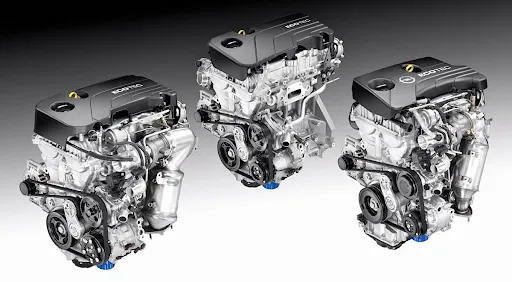
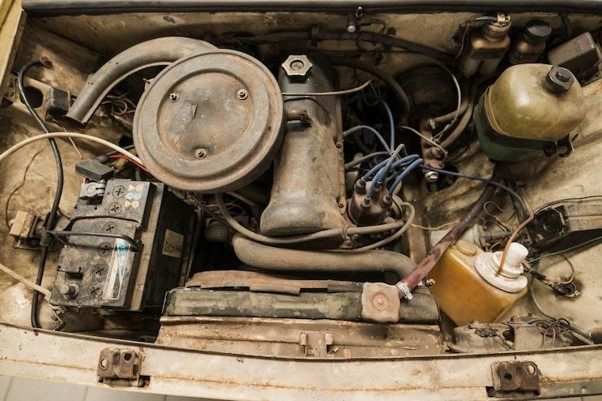
The goal is not to avoid every used engine from a wrecked vehicle. Many high-quality replacement engines come from salvage vehicles that were totaled because of body damage rather than mechanical problems. The objective is to determine whether the accident likely affected the engine, cooling system, lubrication system, intake system, electronics, or related components. Using donor history as part of a complete used engine inspection process helps buyers make safer purchasing decisions before installation begins.
What Different Impacts May Reveal
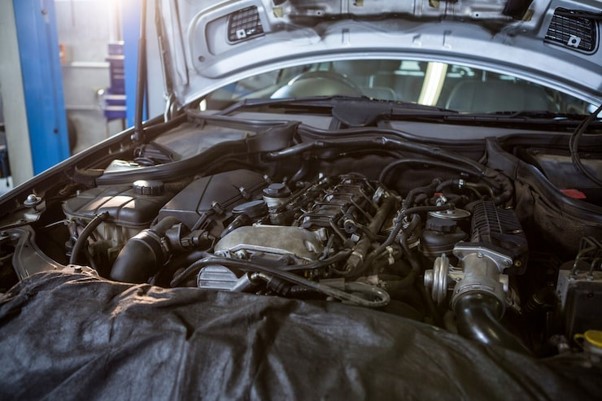
Rear-end collisions and many side-impact accidents can provide donor vehicles for replacement engines. When the engine compartment remains untouched and the vehicle was operating normally before the accident, the engine may have experienced little stress. Buyers should verify mileage, condition, accessories, warranty information, and whether testing or inspection was performed before removal from the donor vehicle.
Front-end collisions require closer investigation because engine-related components occupy the impact zone. Radiators, cooling fans, condensers, intake systems, belts, pulleys, accessory brackets, engine mounts, wiring harnesses, and timing covers can be damaged in crashes. If coolant was lost and the vehicle continued running, overheating may have occurred. Damage to the oil pan, filter housing, or lubrication system can raise concerns about oil starvation. These details matter when evaluating a wrecked car engine replacement option.
Rollover, flood, and fire vehicles deserve additional scrutiny during the buying used engine from salvage process. A rollover may move oil into unusual areas, damage intake components, or create hidden impact concerns. Flood exposure can contaminate sensors, connectors, wiring, fluids, and intake systems, while fire damage may affect plastics, wiring insulation, seals, hoses, and external engine components. These donor histories do not automatically disqualify an engine, but they require detailed inspection and additional questions before purchase to reduce replacement risks.
Questions To Ask Before Buying
One of the first questions buyers should ask is where the donor vehicle was damaged. Simply hearing that the vehicle was "wrecked" is not enough information. Ask whether the damage was to the front, rear, side, roof, or whether the vehicle experienced flood or fire exposure. If donor vehicle photos are available, reviewing them can provide valuable insight into whether the engine compartment was directly affected by the collision.
Buyers should also ask whether the engine was running before removal and whether any testing was completed afterward. Compression testing, oil inspection, coolant inspection, running videos, and visual condition reports can help reduce uncertainty. Not every supplier can provide extensive testing documentation, but a seller who can clearly explain the engine's condition generally provides more confidence than one who offers only mileage information without additional details.
Another important question concerns included components and visible damage. Broken valve covers, cracked timing covers, damaged sensors, bent brackets, crushed oil pans, damaged mounts, or cut wiring can significantly increase installation costs. While some components can be transferred from the original engine, buyers should understand exactly what is included before committing to the purchase. This helps avoid unexpected expenses after the engine arrives.
Houston Engines recommends combining donor vehicle engine damage information with complete fitment verification before purchasing any replacement engine. Even a clean donor history does not help if the engine is the wrong application. Likewise, a compatible engine still requires proper inspection before installation. The strongest buying decision considers donor history, mileage, compatibility, warranty terms, included parts, installation requirements, and overall condition together rather than relying on a single factor alone.
Damage Signs Buyers Should Avoid
Buyers should approach engines with visible signs of severe damage carefully. Cracked engine castings, exposed internal openings, fire damage, heavy corrosion, crushed oil pans, damaged crankshaft pulleys, broken timing covers, missing connectors, and evidence of water intrusion can increase installation complexity and indicate higher risk. Even when the internal engine appears healthy, external damage can create delays, additional labor, and unexpected replacement-part costs during installation. These issues should be reviewed before purchase to help avoid unnecessary complications and expenses.
Fluid condition should also be evaluated whenever possible. Milky oil, coolant contamination, burnt odors, metal debris, or signs of operation without adequate coolant or lubrication should raise concerns. When evaluating a used engine from a wrecked vehicle that suffered significant front-end damage, buyers should ask whether coolant loss occurred and whether the engine was shut down immediately after the accident. A mechanically sound engine can still suffer damage if it continues operating without sufficient coolant or oil after a collision. Careful inspection can reduce installation risks and support a more informed purchase decision.
Donor Vehicle Engine Buying Checklist
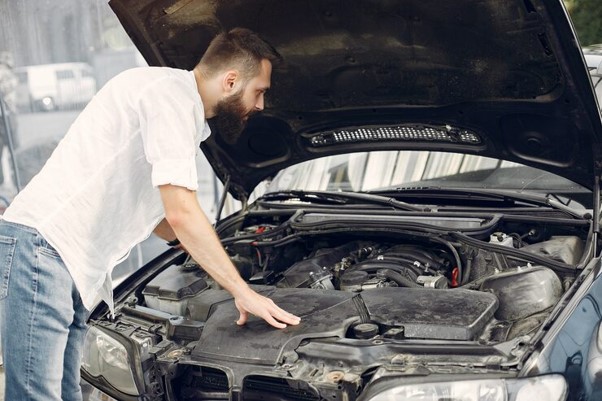
Ask detailed questions about how the donor vehicle was damaged before purchasing. Rear-end, side-impact, front-end, rollover, flood, and fire incidents create different levels of engine risk. Understanding the accident type helps buyers evaluate potential concerns more accurately, compare the damage with the engine’s location, and strengthen the used engine inspection process.
Request donor vehicle photos whenever available. Images of the vehicle, engine compartment, and impact area can reveal important information that may not appear in written descriptions. Visual evidence can help identify concerns before shipping, confirm the reported damage, reduce surprises during installation, and provide useful context about the engine’s condition before removal.
Inspect the engine for signs of impact damage and contamination. Broken covers, damaged pulleys, crushed oil pans, cut wiring, corrosion, water intrusion, and fluid contamination can increase risk and affect the overall value of the replacement engine. These conditions should be reviewed carefully before purchase approval, especially when the donor vehicle experienced a severe collision or environmental exposure, to avoid unexpected repair costs.
Verify fitment, warranty terms, and included components before completing the transaction. A clean donor history is valuable, but the engine must still match the vehicle correctly and come with clear warranty coverage, return terms, and information about testing or inspection. For additional guidance regarding a used engine from wrecked vehicle inventory, remanufactured engine options, or replacement engine selection, contact us at Houston Engines before making your final purchase decision with greater confidence and clarity.
Get our latest news and promos
QUALITY ASSURED


SATISFACTION GUARANTEED

UNPARALLELED SUPPORT
Houston Engines
Proud Member

Social Media
Payments Accepted
Ship Via