
Mon - Fri: 8am - 5pm, Sat - Sun: Closed

6-36 Month Warranties
We Ship Local.
Hablamos Español.
Connect with
Why Shops Refuse Customer-Supplied Parts
Customer Supplied Engine
Shops inherit risk they cannot control
When a customer brings their own engine or transmission to a repair facility, the shop installs a part it did not source, inspect, verify, or approve. If the part arrives damaged, is the wrong application, is missing components, or fails after installation, the customer may expect the shop to resolve the issue. This creates risk because the installer has no control over the replacement unit’s quality or condition.
Installing a bad or incorrect customer supplied engine or customer supplied transmission can consume technician time, equipment, and service bays while delaying scheduled repairs. If removal, replacement, or diagnosis is required, disputes may arise over additional labor costs. These concerns explain why many businesses limit or refuse customer-supplied parts.
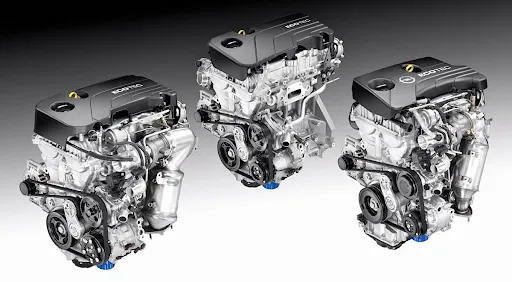

This is why many repair facilities either refuse customer supplied engine and transmission installations entirely or clearly state that no labor warranty applies to the supplied part. In most cases, the shop warranties only the workmanship it performs and not the condition, reliability, or accuracy of the part itself. Buyers sometimes view this policy as restrictive, but the shop is simply separating its responsibility from a component with an unknown history that was purchased elsewhere.
Why labor warranty becomes complicated
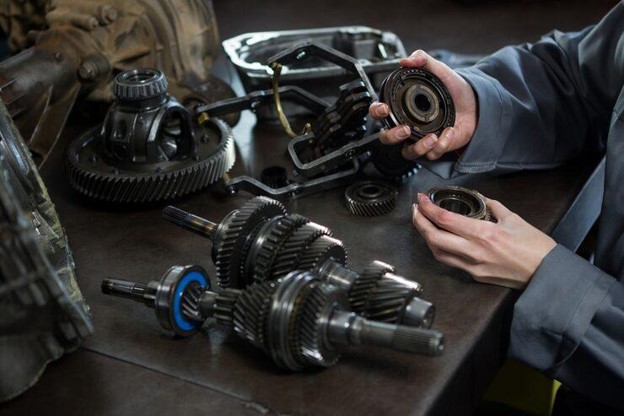
Labor warranty problems often begin when a replacement engine or transmission does not perform as expected. If an engine develops a knock, misfire, overheating problem, oil leak, or compression issue after installation, the customer may expect free labor to remove and replace it. The same can happen when a transmission slips, shifts poorly, leaks fluid, or fails to engage correctly. The shop may believe the replacement unit was defective before installation.
The supplier may disagree and require proof of proper installation, including fluid changes, filter replacement, cooler flushing, startup procedures, programming requirements, and supporting-system inspections. Without a direct installer-supplier relationship, customers can become trapped between both parties, with each blaming the other. This is where labor warranty engine replacement disputes become expensive and frustrating.
Customer-supplied parts often create a three-party responsibility issue involving the buyer, installer, and supplier. If expectations are not discussed before work begins, each party may assume someone else is responsible when problems arise. Buyers should ask the shop exactly what labor is covered, what happens if the supplied part is incorrect, and what charges apply if the unit must be removed. Understanding these details before teardown helps prevent misunderstandings, unexpected costs, warranty disputes, and disagreements later.
Problems shops see too often
Wrong fitment is one of the biggest reasons a shop refuses customer parts. A buyer may purchase an engine or transmission online because it appears to match the year, make, and model of the vehicle. However, compatibility may still differ because of VIN splits, drivetrain configuration, emissions packages, sensor locations, wiring differences, oil pan design, mounting points, transmission codes, or calibration requirements. Once the vehicle has been disassembled, discovering the wrong unit can create significant delays and additional expense.
Missing components are another common issue. A replacement engine or transmission may arrive without critical parts such as torque converters, sensors, brackets, manifolds, valve covers, pans, wiring sections, or accessory hardware. While some missing items can be transferred from the original unit, others cannot. When key components are absent, the repair may stop completely while additional parts are sourced. These delays often occur because the included components were never confirmed before purchase.
Freight damage and uncertain condition create additional challenges. Engines and transmissions are heavy assemblies that can be damaged during transportation. Broken connectors, cracked housings, bent brackets, damaged pans, or exposed internal openings may not be discovered until delivery. Even when the part appears acceptable externally, the shop usually has no way to verify how the unit was stored, tested, or maintained before it arrived. These uncertainties increase the risk of future disputes and can affect any used engine installation warranty claim.
Houston Engines encourages buyers to treat installation planning as part of the purchasing process. Verifying fitment, understanding warranty terms, documenting the condition of the unit, and communicating with the installer before ordering can prevent many common problems. When the supplier, customer, and installer all understand the expectations from the beginning, the project typically moves forward with fewer delays and fewer disagreements. For additional guidance regarding engine or transmission purchases, contact us before placing an order.
How buyers can reduce trouble
Before purchasing any replacement engine or transmission, buyers should ask the repair shop whether it accepts customer supplied engine or customer supplied transmission installations. Some shops refuse these jobs completely. Others may agree to perform the installation but provide no labor warranty if the supplied part fails. Some facilities may also charge additional diagnostic, storage, or removal fees if the unit turns out to be incorrect. Having these policies explained in writing helps eliminate surprises later.
Buyers should also verify compatibility carefully before ordering. VIN information, engine codes, transmission codes, drivetrain details, emissions specifications, production dates, and photographs should all be reviewed whenever possible. Ask the supplier exactly what is included, what is excluded, what the warranty covers, and who is responsible for freight if the wrong part is shipped. Sharing this information with the installer before purchasing allows potential fitment issues to be identified early. This simple step can prevent costly delays and improve the chances of a successful installation.
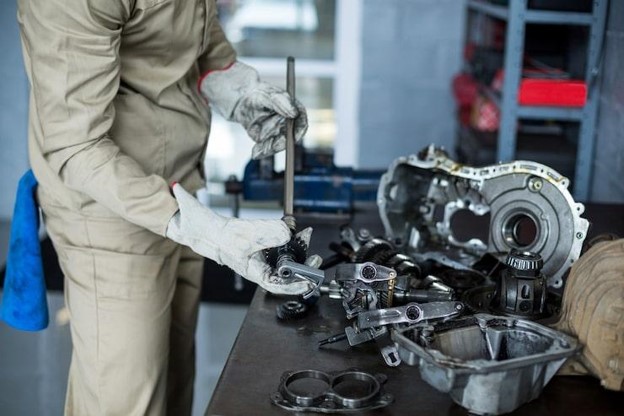
Customer-Supplied Parts Installation Checklist Guide
Ask the repair facility about its customer-supplied parts policy before purchasing any replacement unit. Do not assume the shop will install the part or provide labor warranty engine replacement coverage if the supplied component fails. Understanding shop policies early helps prevent disputes and unexpected costs while clarifying responsibilities before work begins. Buyers should also confirm whether diagnostic time, removal, replacement, or additional labor is covered if problems occur.
Verify compatibility using more than just the year, make, and model. VIN information, engine codes, transmission codes, drivetrain configuration, emissions requirements, and production details should all be confirmed before ordering. Careful verification reduces the risk of receiving the wrong component and helps ensure proper fitment.
Inspect the replacement part immediately when it arrives. Look for freight damage, missing components, broken connectors, cracked housings, exposed openings, and signs that the incorrect unit was delivered. Identifying problems before installation begins can save significant time and money, while also providing evidence if a shipping or supplier issue must be reported.
Keep all documentation related to the purchase and installation. Invoices, warranty paperwork, freight records, photographs, mileage information, and service receipts may all be necessary if a used engine installation warranty claim or fitment dispute occurs later. Organized records help protect both the buyer and the installer throughout the process and make it easier to resolve questions efficiently.
Get our latest news and promos
QUALITY ASSURED


SATISFACTION GUARANTEED

UNPARALLELED SUPPORT
Houston Engines
Proud Member



Social Media
Payments Accepted
Ship Via