
Mon - Fri: 8am - 5pm, Sat - Sun: Closed

6-36 Month Warranties
We Ship Local.
Hablamos Español.
Connect with
Ford 10R80 Transmission Overview Guide
Ford 10R80 transmission problems
How the 10R80 Adaptive System Works
Ford’s 10R80 transmission is engineered for efficiency and smooth performance, yet many drivers still experience common Ford 10R80 transmission problems such as delayed engagement or rough shifting. A major contributor is the 10-speed adaptive learning strategy, a system that constantly evaluates driver input, load, temperature, and gear selection. This 10-speed adaptive learning process adjusts pressure control to optimize shift timing but depends on clean fluid and accurate sensor feedback.
When fluid becomes contaminated or pressures drift, the system may create incorrect shift profiles, leading to harsh downshifts, flare, gear hunting, or delayed engagement. These issues often appear after repairs if adaptives aren’t reset. Resetting adaptives lets the transmission relearn proper clutch behavior and prevents persistent drivability problems.
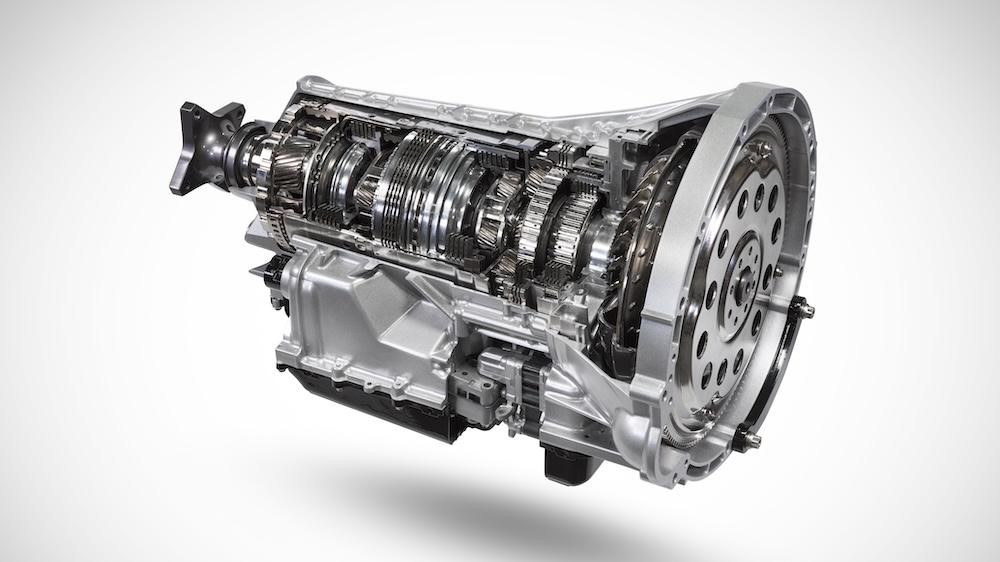
The adaptive algorithm continually adjusts shift behavior as driving conditions change, but when clutch debris or degraded Mercon ULV fluid disrupts the system’s learned values, drivers may experience rough upshifts, inconsistent gear selection, or erratic pressure control. These symptoms indicate that the transmission’s learned patterns are no longer accurate. Timely fluid service and proper adaptive reset procedures are essential to maintaining stable 10R80 performance over time, ensuring smooth operation and preventing long-term drivability issues from developing.
TSB Updates and Known Issues
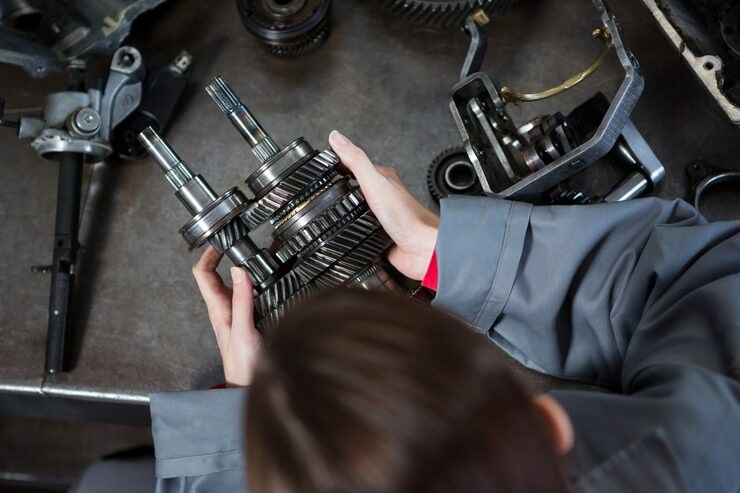
Ford has released multiple Ford 10R80 TSB updates to address complaints about banging shifts, gear hunting, and hesitation. These Technical Service Bulletins often include revised PCM and TCM calibrations that refine clutch fill timing and pressure modulation. By improving these control strategies, updated calibrations help correct early-production issues and reduce many Ford 10R80 transmission problems reported by drivers, offering smoother, more predictable shifting behavior across varied driving conditions.
Several TSBs also recommend updated Mercon ULV fluid formulations to improve stability and reduce foaming under load. Maintaining proper fluid quality prevents pressure inconsistencies that disrupt 10-speed adaptive learning behavior and lead to harsh shifts. Staying current with TSB guidance ensures optimal 10R80 performance, minimizes drivability concerns, and extends long-term transmission reliability.
Ignoring these TSB updates may result in worsening symptoms over time, including prolonged engagement delays, shifting irregularities, and increased clutch wear. Vehicles that miss calibration updates often operate with outdated pressure maps, which can intensify Ford 10R80 transmission problems and raise long-term reliability concerns. Over time, the transmission may struggle to maintain proper shift timing and pressure control, leading to harsher operation and unnecessary wear. Staying current with updates is essential to preserving drivability and preventing avoidable mechanical damage.
Service Intervals and Fluid Requirements
To maintain optimal performance and prevent early Ford 10R80 transmission problems, Ford recommends inspecting transmission fluid every 30,000 miles. Severe use—such as towing, high heat, or commercial driving—can shorten the recommended 10R80 fluid change interval, requiring more frequent checks. Identifying discoloration, oxidation, or a burnt smell helps catch early clutch degradation, allowing issues to be addressed before they lead to harsher symptoms like gear flare or delayed engagement. Staying ahead of fluid condition is one of the most effective ways to preserve long-term drivability.
Using only Mercon ULV is critical because incorrect viscosity disrupts hydraulic pressure control and interferes with 10-speed adaptive learning. After completing a 10R80 fluid change interval service, technicians must perform a complete adaptive reset and the Ford relearn drive cycle. This step ensures the transmission recalibrates shift timing and pressure modulation based on the new fluid’s properties. Skipping the adaptive reset can cause the TCM to rely on outdated pressure maps, causing harsh shifts or hunting between gears.
As fluid breaks down, clutch material and debris may accumulate in valve body passages, leading to delayed engagement, slipping, or hesitation between gears. Dropping the pan and checking the magnet during service offers early insight into internal wear patterns. When detected early, these signs allow technicians to correct problems before they evolve into valve body failures or major Ford 10R80 transmission problems. Preventive inspection remains essential for maintaining consistent performance.
Houston Engines emphasizes the importance of maintaining proper cooling and clean fluid to minimize thermal stress. Overheating is one of the most common contributors to solenoid malfunctions and clutch failure, making routine fluid checks essential to avoiding costly repairs. By following recommended maintenance intervals and ensuring proper cooling, drivers can significantly extend the life of their 10R80 transmission and maintain smooth, reliable shifting performance.
When a Rebuild or Reman Unit Is Needed
If symptoms persist after calibration updates, fluid service, or adaptive resets, the transmission may have deeper internal issues. Common failures include worn clutch packs, sticking solenoids, and deteriorated valve bodies. When the adaptive system can no longer compensate for pressure loss, a long-term 10R80 harsh shift fix often requires a full rebuild or replacement. Continued driving in this condition can worsen clutch wear and introduce debris into hydraulic circuits, making timely intervention essential to prevent total transmission failure.
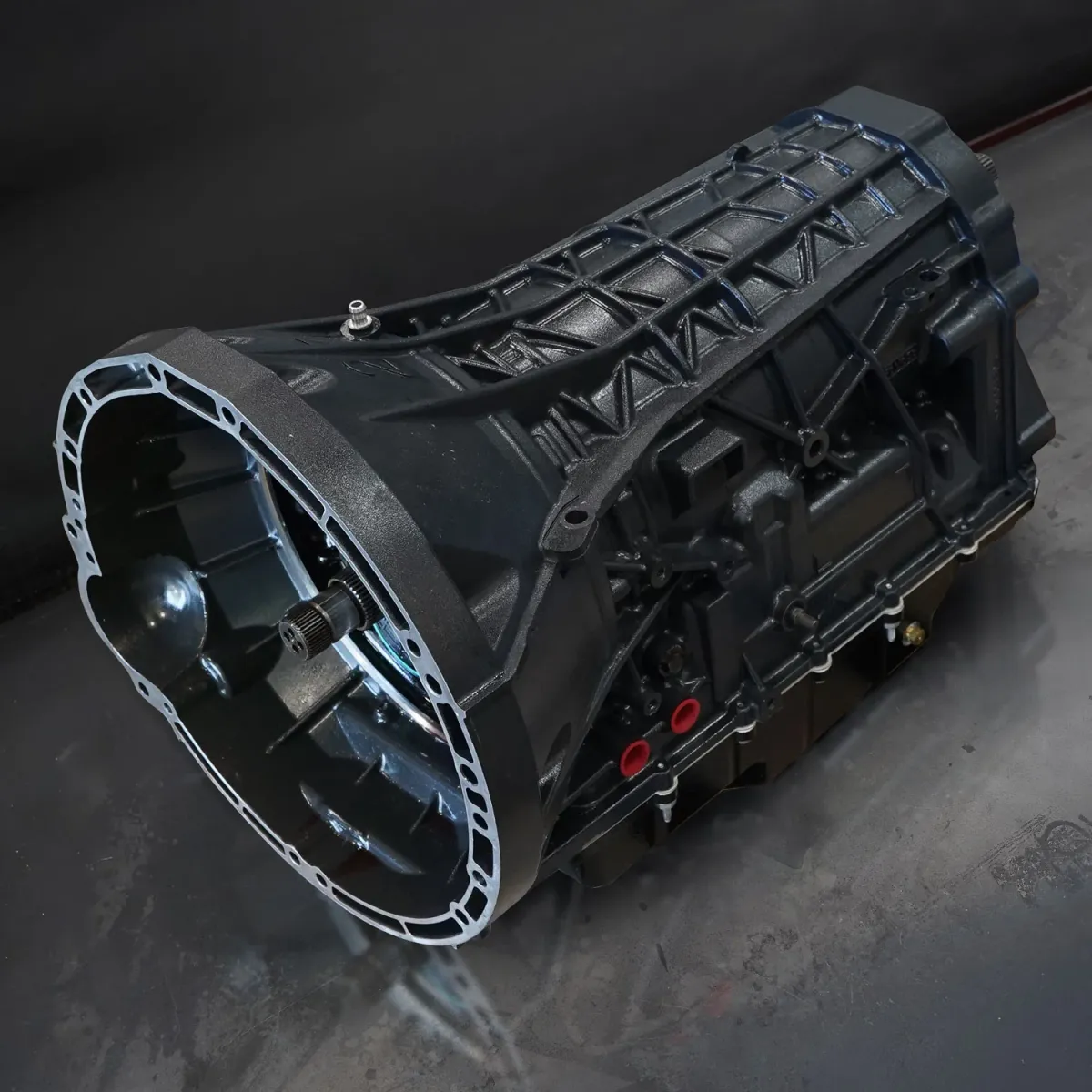
At this stage, choosing between Used Transmissions and Reman Transmissions becomes critical. Used Transmissions are a budget-friendly option, but their internal condition varies, and they may carry high-mileage issues. Reman Transmissions feature updated components, rebuilt valve bodies, recalibrated solenoids, and thorough durability testing. Houston Engines offers high-quality remanufactured 10R80 units designed to address factory-related problems and provide long-term reliability. Each reman unit undergoes dyno testing to confirm shift quality, pressure control, and heat stability before shipment, delivering consistent performance and a lasting solution to persistent Ford 10R80 transmission problems.
Installation, Relearns, and Warranty Compliance
Proper installation is critical to preventing long-term Ford 10R80 transmission problems. Technicians must thoroughly flush the cooler and lines to remove old debris, as any residual contamination can quickly damage a new transmission. Clean hydraulic pathways ensure smooth pressure management from the start, reducing the risk of early component wear and maintaining reliable operation under all driving conditions. Neglecting this step can introduce contaminants into the system, leading to clutch slippage, erratic shifts, or valve body issues shortly after installation.
A full TCM adaptive reset is required following installation, followed by the Ford drive cycle to rebuild accurate shift profiles. Skipping this procedure often results in harsh or delayed shifts, as the transmission cannot properly relearn clutch behavior or pressure mapping. Completing the adaptive reset ensures smooth engagement, consistent gear changes, and optimal performance, which is particularly important for high-mileage or remanufactured units.
Fluid filling must be performed within the correct temperature range to maintain proper converter charge and consistent lubrication. Incorrect levels can lead to overheating, gear slip, or delayed engagement, potentially voiding warranties and causing immediate drivability problems. Maintaining precise fluid levels ensures stable hydraulic performance and extends the service life of the transmission.
Houston Engines provides full installation resources, including torque specifications, calibration instructions, and warranty documentation. Customers are encouraged to contact Houston Engines for professional support and guidance, ensuring accurate installation, proper adaptive procedures, and reliable operation. Following these best practices helps minimize post-installation issues and preserves long-term 10R80 transmission performance.
Get our latest news and promos
QUALITY ASSURED


SATISFACTION GUARANTEED

UNPARALLELED SUPPORT
Houston Engines
Proud Member



Social Media
Payments Accepted
Ship Via