Mon - Fri: 8am - 5pm, Sat - Sun: Closed

6-36 Month Warranties
We Ship Local.
Hablamos Español.
Connect with
OBD Readiness After Engine Swap
OBD Readiness After Engine Swap
Why Monitors Show Not Ready
After an engine replacement, OBD readiness after engine swap procedures may take time before the vehicle is ready for inspection. The battery may have been disconnected, diagnostic trouble codes cleared, or the engine control module lost stored readiness information. The vehicle must perform emissions self-tests again before inspection equipment can verify important systems. This is normal in the engine swap inspection readiness process and does not automatically indicate a problem with the replacement engine.
Many drivers assume readiness monitors should complete immediately. However, OBD monitors not ready conditions occur because the computer requires specific operating conditions to test emissions systems. Oxygen sensors, catalytic converters, fuel control systems, EVAP components, and misfire detection systems require separate testing before readiness monitors complete.
One of the most common mistakes drivers make is clearing codes immediately before an inspection appointment. They hope the check engine light will disappear and allow the vehicle to pass. In reality, clearing codes resets readiness monitors and usually delays the inspection process. The warning light may be temporarily gone, but the inspection system can still detect incomplete readiness monitors. The best approach is to repair underlying issues, complete the proper drive cycle after engine replacement, and verify readiness status before scheduling an inspection.
What Affects Readiness After Swaps
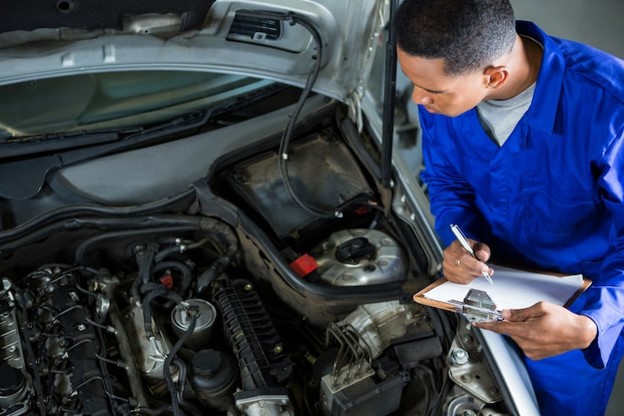
Successful engine swap inspection readiness depends on more than the replacement engine itself. Oxygen sensors, catalytic converters, EVAP components, fuel system operation, intake sealing, coolant temperature, thermostat performance, and electrical connections all influence whether readiness monitors can complete. If a vacuum leak exists, a sensor remains unplugged, or the engine never reaches proper operating temperature, the computer may delay or refuse specific emissions tests. This is why post-install checks remain important even after the engine runs correctly.
Some readiness monitors require specific operating conditions before they run. The vehicle may need a cold startup, extended idle time, steady highway cruising, controlled deceleration, proper fuel levels, and no pending diagnostic codes. Drivers may become frustrated after several days of driving while monitors remain incomplete. Often, the correct test conditions were simply never achieved during normal driving patterns.
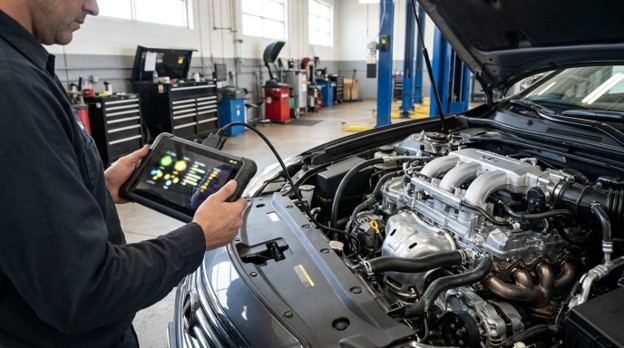
Before returning a vehicle to the owner, installers should check stored, pending, and permanent trouble codes using a scan tool. Pending codes are especially important because they can prevent monitors from completing even when the check engine light has not illuminated. Fuel trims, coolant temperature readings, oxygen sensor activity, EVAP monitor status, and misfire counters should also be reviewed. These diagnostic checks help identify issues early and reduce the risk of a failed check engine readiness inspection.
Drive Cycles and Scan-Tool Verification
A drive cycle after engine replacement refers to a specific series of driving conditions required for the computer to complete its emissions-related self-tests. While the exact procedure varies between manufacturers, most drive cycles include a cold start, a period of idling, gradual acceleration, steady-speed cruising, controlled deceleration, and additional idle time. The goal is to allow the computer to observe enough operating conditions to evaluate all emissions systems properly.
Different readiness monitors have different requirements. Catalyst monitors often need the engine to reach full operating temperature and maintain stable highway speeds. Oxygen sensor monitors usually require closed-loop operation and consistent exhaust readings. EVAP monitors may need a specific fuel level along with certain ambient temperature conditions. Misfire and fuel-system monitors tend to run more frequently, but they can still be interrupted by vacuum leaks, sensor problems, or rough-running conditions after an engine swap.
Using a scan tool removes much of the guesswork from the readiness process. Instead of driving for days without knowing the status of the monitors, the installer or driver can see which tests have completed and which remain incomplete. Scan-tool verification also reveals pending codes that may block readiness. When the same monitor repeatedly refuses to complete, diagnostic attention should focus on the related system rather than continuing random driving.
Houston Engines recommends confirming OBD readiness after engine swap procedures before scheduling an inspection whenever possible. Vehicles that recently received a used engine or replacement engine should not be rushed directly to inspection after the battery has been disconnected or diagnostic codes have been cleared. Taking time to verify readiness can prevent failed inspections, wasted trips, and unnecessary frustration for the vehicle owner.
Problems Factors That Stop Monitors From Completing
Several common post-install problems can prevent readiness monitors from completing successfully. Vacuum leaks, exhaust leaks ahead of oxygen sensors, damaged oxygen sensors, weak catalytic converters, thermostat issues, poor grounds, disconnected connectors, fuel trim problems, and EVAP leaks can interfere with monitor operation. The vehicle may drive acceptably for short trips while still failing to complete the computer's emissions testing routines. This is one of the primary reasons OBD monitors not ready conditions persist after an engine swap. Identifying these issues early can simplify inspection preparation and prevent unnecessary diagnostic work.
Installers should also verify that all engine-related components were transferred correctly during the replacement process. Wiring harnesses, sensors, intake components, exhaust parts, and emissions equipment must match what the vehicle's computer expects to see. If damaged components from the old engine are reused or the replacement configuration differs from the original application, readiness problems may continue indefinitely. A systematic diagnostic process helps identify these issues before the owner blames the inspection station or replacement engine itself, while ensuring proper post-install checks are completed and emissions systems can operate correctly.

OBD Readiness Checklist After Swaps
Avoid clearing diagnostic trouble codes immediately before inspection. While this may temporarily remove the check engine light, it also resets readiness monitors and delays the engine swap inspection readiness process. A vehicle with recently cleared codes often has a lower chance of passing inspection than one with repaired systems and completed monitors. Allow sufficient time for required self-tests to run after repairs.
Use a scan tool to verify readiness status before scheduling an inspection appointment. Review complete monitors, incomplete monitors, pending codes, permanent codes, fuel trims, and sensor activity. Confirming readiness ahead of time helps avoid unnecessary failures and gives the driver confidence that the vehicle is truly prepared for testing. It also helps identify unresolved concerns.
Follow the correct drive cycle after engine replacement instead of relying on random driving. Catalyst, oxygen sensor, EVAP, and fuel-system monitors often require specific conditions before they will complete. Short trips alone may not provide the operating conditions needed for the vehicle to finish all required self-tests. Follow applicable procedures carefully.
Address any issues that prevent readiness monitors from completing. Vacuum leaks, exhaust leaks, thermostat problems, EVAP faults, sensor failures, fuel trim abnormalities, and wiring concerns should be corrected before another inspection attempt. For additional guidance regarding OBD readiness after engine swap procedures, warranty coverage requirements, or replacement engine support, contact us at Houston Engines for assistance. Proper preparation can reduce delays and improve inspection results.
Get our latest news and promos
QUALITY ASSURED


SATISFACTION GUARANTEED

UNPARALLELED SUPPORT
Houston Engines
Proud Member



Social Media
Payments Accepted
Ship Via