
Mon - Fri: 8am - 5pm, Sat - Sun: Closed

6-36 Month Warranties
We Ship Local.
Hablamos Español.
Connect with
Questions Before Buying Used Transmissions
Used Transmission for Daily Driver
Why daily drivers need caution
A daily driver depends on predictable shifting, smooth engagement, and reliable operation every time the vehicle is started. When the transmission fails, a used transmission for daily driver applications can be a smart, affordable choice if it is matched correctly, inspected carefully, and installed properly. Reliability is important because the vehicle is often used for commuting, family transportation, and daily responsibilities.
Transmission problems can be expensive when mistakes occur. A wrong unit, contaminated cooler, missing programming step, or unclear warranty coverage may lead to another breakdown. Asking the right used transmission questions before purchasing helps avoid fitment issues, costly delays, and unexpected repair expenses instead of focusing only on price.
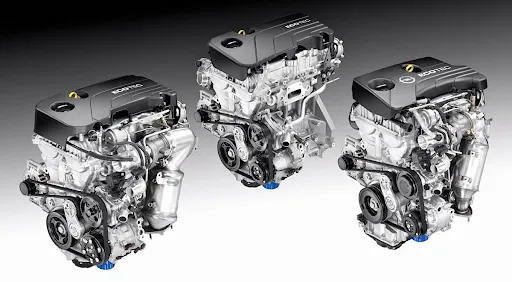

Used transmissions require more than a basic year, make, and model match. Modern vehicles may have different gear ratios, control modules, software requirements, drivetrain layouts, production splits, and connector differences. A unit that looks correct can still shift incorrectly or fail to communicate properly with the vehicle. Since daily drivers cannot afford long trial-and-error delays, the safest purchase starts with careful used transmission compatibility verification before payment, helping ensure proper fitment, reliable performance, and fewer installation problems.
Questions about fitment and condition

The first question should be whether the transmission has been verified by VIN or only by general vehicle information. VIN-based matching helps reduce errors caused by production changes, engine pairings, drive type, gear ratio differences, and trim-specific applications. Buyers should also confirm whether the transmission came from a front-wheel-drive, rear-wheel-drive, all-wheel-drive, or four-wheel-drive vehicle that matches their needs. Proper compatibility is one of the most important factors when buying a used transmission.
Condition questions are equally important. Ask about mileage, donor vehicle history, visible damage, fluid condition, and whether the unit was tested before removal. Clear answers help buyers judge risk and avoid unexpected issues. A lower price is not valuable if the transmission has unknown history, damaged connectors, missing parts, or heat damage. This matters when evaluating used transmissions Houston drivers rely on daily.
Buyers should confirm what is included with the transmission before purchase. Some used transmissions may include the torque converter, sensors, pan, or attached components, while others may not. Missing or reused parts can increase installation costs and affect reliability. The installer should know exactly what is arriving before the job begins to prevent delays caused by missing components. This also helps buyers compare quotes fairly between suppliers offering different items, services, or levels of support.
Warranty and installation questions matter
Warranty questions should be asked before payment, not after a problem appears. Buyers should know the warranty length, what failures are covered, whether labor is included, and what documentation is required. Many used transmission warranties are parts-only, meaning the replacement unit may be covered but removal and reinstallation labor may not be. That difference can be expensive if the unit fails. Understanding warranty coverage upfront helps avoid misunderstandings later.
Installation requirements are equally important. Some warranties require cooler flushing, cooler replacement, new fluid, filter service, proper programming, or proof that contamination was removed before startup. If these steps are skipped, the warranty may be denied even if the transmission fails soon after installation. Buyers should make sure the installer understands the warranty requirements before the work begins. Following these procedures helps protect both the transmission and the warranty.
Transmission cooler contamination is one of the most overlooked risks. If the old transmission failed internally, metal and clutch material may remain in the cooler or lines. That debris can enter the replacement transmission and damage it quickly. A used transmission for daily driver use cannot survive if the vehicle’s support system sends contaminated fluid back into it. Proper cooler service is often one of the most important steps in a successful installation.
Houston Engines recommends treating the transmission, cooler, fluid, electronics, and installation procedure as one complete system. Asking the right used transmission questions helps protect the buyer from wrong-unit problems, denied warranty claims, and early failure caused by preventable installation mistakes. A used transmission can work well in a daily driver, but only when the full process is handled correctly. For additional guidance about fitment and warranty requirements, contact us before ordering.
Questions about total replacement cost
Buyers should always ask for the full expected cost, not just the transmission price listed by the supplier. The final expense may include the used transmission, freight charges, taxes, torque converter, transmission fluid, filter, seals, mounts, cooler service, programming, diagnostics, and installation labor. Looking only at the unit price can be misleading because one supplier may include important services and components, while another may leave them out until later. Reviewing the complete cost breakdown helps buyers compare options accurately, plan their budget, and make a more informed purchasing decision.
It is also important to understand what happens if the transmission does not operate correctly after installation. Buyers should ask whether the supplier will replace the unit, who is responsible for return freight, whether labor costs are covered, what testing or documentation is required, and how quickly a replacement can be provided. These details are especially important for daily drivers that cannot remain unavailable for extended periods. Clear warranty terms, communication, and supplier support help reduce unexpected delays and make investing in a used transmission a safer and more practical choice.

Complete Used Transmission Buyer Checklist Guide
Verify compatibility before buying. Provide the VIN, engine size, drive type, production details, and any transmission code so the supplier can match the correct unit. Proper used transmission compatibility verification is the best defense against wrong-part problems that can delay installation and increase costs. Taking a few extra minutes to confirm details can save significant time and frustration later.
Ask about mileage, fluid condition, testing, donor vehicle history, and visible damage. These details help reveal whether the used transmission is a reasonable risk for daily use. When buying a used transmission, understanding the donor vehicle’s condition and service history can provide valuable insight into expected performance and reliability after installation.
Confirm warranty terms and installation requirements in writing. Cooler flushing, fluid type, programming, filter service, and documentation may all affect whether warranty coverage remains valid. Having these requirements documented helps avoid confusion and protects the buyer if a claim becomes necessary after the transmission is installed and placed into service.
Compare the complete installed cost, not only the transmission price. A reliable daily driver needs the right unit, clean support systems, correct installation, and clear warranty support from the beginning. Whether shopping for used transmissions Houston drivers trust or comparing suppliers elsewhere, buyers should focus on total value rather than the lowest advertised price. For expert assistance selecting the right transmission, contact us at Houston Engines before making your final purchase decision.
Get our latest news and promos
QUALITY ASSURED


SATISFACTION GUARANTEED

UNPARALLELED SUPPORT
Houston Engines
Proud Member



Social Media
Payments Accepted
Ship Via