
Mon - Fri: 8am - 5pm, Sat - Sun: Closed

6-36 Month Warranties
We Ship Local.
Hablamos Español.
Connect with
Replacement Engines for Work Trucks
Replacement Engines for Work Trucks
Why downtime costs more than repairs
For work trucks, an engine failure is not just a repair concern. It can stop deliveries, delay service calls, interrupt crews, and create costly downtime for businesses. The true impact includes lost productivity, missed revenue, driver delays, and customer frustration. That is why fleet engine replacement decisions should focus on long-term operating value rather than only repair price.
Choosing a replacement engine for work trucks can help restore a dependable vehicle to service faster while protecting the investment already made in equipment, racks, tools, and branding. Buying a new truck may involve higher payments, insurance costs, taxes, upfitting expenses, and extended lead times. For many companies, maintaining an existing truck is the more practical and cost-effective solution.
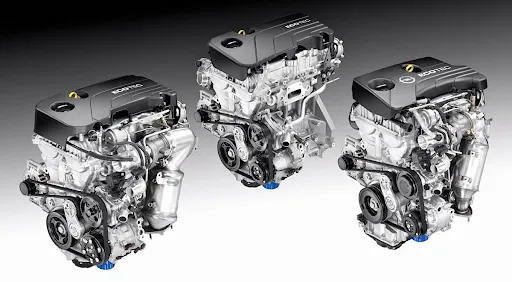
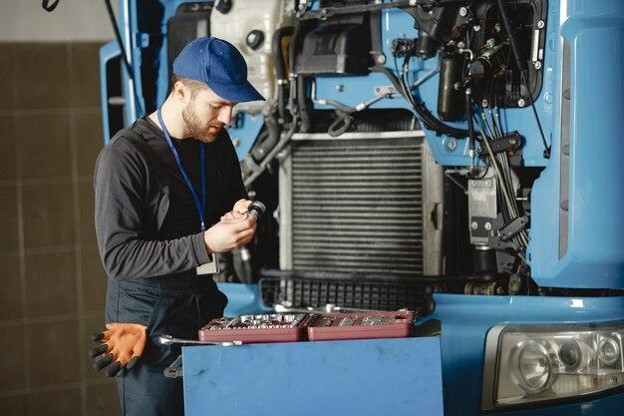
Fleet owners should calculate downtime before deciding whether to repair, replace the engine, or replace the entire truck. If the chassis, transmission, suspension, body, and work equipment remain in usable condition, an engine replacement may provide better value than investing in a new vehicle. A quality engine replacement can restore dependable operation quickly while protecting business productivity. The goal is to avoid over-investing in a worn truck or under-investing in one with strong earning potential and long-term value.
When replacement engines make sense
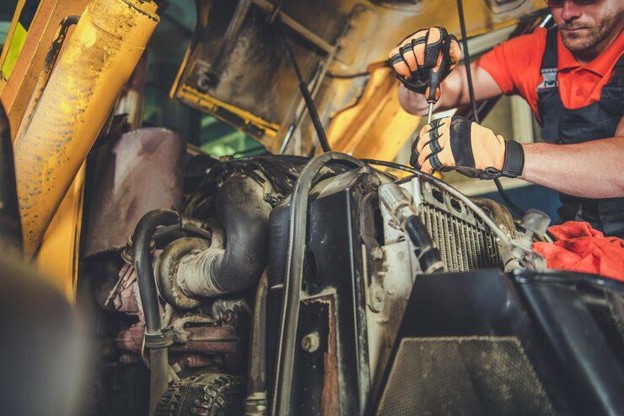
Replacement engines for work trucks often make sense when the truck still supports business needs, the body and equipment remain in good condition, and the cost of a new vehicle is difficult to justify. Service trucks, delivery trucks, landscaping trucks, plumbing vans, utility pickups, and contractor vehicles may already be customized for daily operations. Keeping that setup on the road can be more practical than buying new and rebuilding the same configuration.
The decision depends on the overall vehicle condition. Fleet managers should review mileage, maintenance records, transmission condition, frame condition, suspension wear, brake condition, and installed equipment value. If multiple major problems exist, engine replacement may not be ideal. However, when the main failure is isolated to the engine, replacement engines for work trucks can reduce fleet downtime and control costs.
Used and remanufactured engine options serve different fleet needs. A used engine can be a practical choice when speed, budget, and availability are priorities, while a remanufactured engine may be better for trucks expected to remain in service longer with stronger warranty coverage. The right decision depends on truck value, future use, route demands, towing load, installation budget, and how quickly the vehicle must return to work. Evaluating these factors helps fleets choose the best solution for reliable performance and cost control.
How fleets reduce replacement delays
The first way to reduce fleet downtime is to verify fitment before the truck reaches the deepest stage of repair. Fleet managers should provide the VIN, engine code, emissions information, drivetrain details, and production information before ordering. Work trucks often have application-specific differences, especially when they are used for towing, hauling, commercial service, or fleet packages. A wrong engine can delay the repair far longer than the original failure and create unnecessary labor expenses.
The second way is to plan supporting parts early. Belts, hoses, mounts, thermostat, water pump, spark plugs, fluids, filters, gaskets, sensors, and cooling-system parts should be reviewed before installation begins. Waiting until the truck is apart to source these items can add unnecessary delay. Preparing the installation package in advance helps the shop complete the job faster and more cleanly while reducing interruptions during the repair process.
The third factor is supplier communication. Fleet buyers need clear answers about engine condition, mileage, warranty coverage, freight timing, included components, and core return requirements. A supplier that responds quickly can help solve problems before they turn into downtime. This matters especially when the truck is part of a daily route or scheduled job calendar where every lost day affects revenue and operations.
Houston Engines helps work-truck buyers focus on practical replacement decisions instead of guesswork. As a trusted Houston fleet engine supplier, the company supports accurate engine matching, warranty clarification, and installation planning. By matching the engine correctly and supporting the repair process, fleet owners can avoid paying new-truck prices when a replacement engine can keep the vehicle productive. For assistance with engine options and compatibility, contact us before placing an order.
What fleet managers should compare
Fleet managers should compare replacement options based on total operating value rather than focusing only on upfront cost. Important factors include engine price, mileage, warranty coverage, labor expenses, freight charges, installation parts, expected service life, and how quickly the truck can return to daily operations. The cheapest engine is not always the best fleet choice if it creates compatibility issues, increases installation risks, provides limited support, or causes unnecessary downtime. Evaluating the complete ownership impact helps reveal the most practical long-term solution.
Fleet managers should also compare replacement costs against the expense of purchasing, financing, insuring, registering, and upfitting another truck. A new vehicle may be the better option when the existing truck has extensive problems across multiple systems. However, if the truck body, equipment, and drivetrain support systems remain dependable, fleet engine replacement can preserve cash flow and extend the useful life of a vehicle already proven in business operations. Reviewing both immediate costs and future benefits helps fleets make smarter decisions.

Work truck engine replacement checklist
Confirm the truck is worth saving before ordering an engine. Review the body, frame, transmission, suspension, brakes, and work equipment to make sure the vehicle still has useful business value. A truck that remains structurally sound may benefit greatly from replacement engines for work trucks, especially when the engine is the primary failure point and the rest of the vehicle continues to support daily operations effectively.
Verify engine compatibility using the VIN and application details. Fleet trucks may have differences in emissions setup, mounts, accessories, wiring, and drivetrain configuration that must be checked before purchase. Whether selecting a used engine or remanufactured engine, accurate matching reduces installation delays, fitment problems, and unexpected expenses that can extend downtime and affect productivity across the fleet.
Prepare installation parts before the job starts. Fluids, filters, hoses, belts, mounts, gaskets, cooling parts, and required sensors can delay the repair if they are discovered too late. Investing in preparation helps protect warranty coverage, improves reliability, and allows the installation team to complete the project efficiently without waiting on additional parts during critical stages of the repair.
Choose a supplier that understands downtime. Fleet buyers need accurate matching, clear delivery expectations, warranty clarity, and responsive support because every extra day out of service can cost more than the part itself. Working with Houston Engines, a dependable Houston fleet engine supplier, helps businesses reduce delays, improve planning, and keep trucks working. For expert assistance selecting the right replacement solution, contact us today.
Get our latest news and promos
QUALITY ASSURED


SATISFACTION GUARANTEED

UNPARALLELED SUPPORT
Houston Engines
Proud Member



Social Media
Payments Accepted
Ship Via