Mon - Fri: 8am - 5pm, Sat - Sun: Closed

6-36 Month Warranties
We Ship Local.
Hablamos Español.
Connect with
Transmission Install Mistakes That Kill Units
Transmission Install Mistakes
Good transmissions can fail from mistakes
A replacement transmission can suffer early replacement transmission failure if critical installation procedures are skipped. Transmissions depend on proper torque converter seating, clean cooler flow, correct fluid level, approved fluid type, electrical communication, and programming or relearn procedures. A single oversight can cause damage before the first road test, making professional installation procedures essential for a used transmission or replacement unit.
When a vehicle experiences slipping, overheating, unusual noise, delayed engagement, or loss of movement shortly after installation, many assume the transmission is defective. However, common transmission install mistakes often happen during setup. Converter damage, fluid starvation, cooler contamination, or skipped initialization procedures can create symptoms resembling internal failure, even when the replacement transmission was functioning properly.
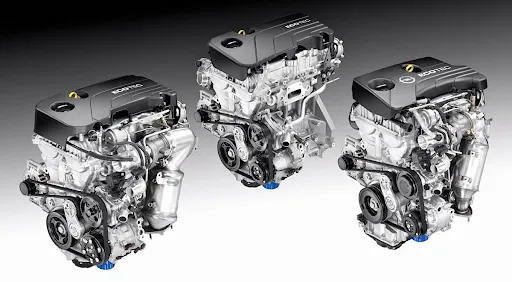
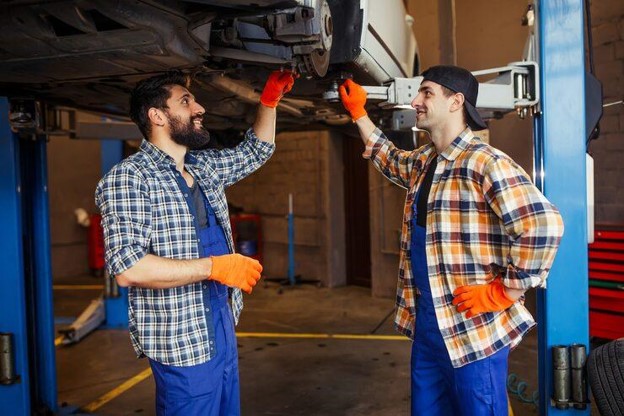
Transmission installation involves much more than removing one unit and bolting another into place. The installer must protect the hydraulic system, pump, seals, torque converter, cooler, electronics, and fluid passages throughout the process. When the original transmission fails, it often leaves behind metal particles, clutch debris, and contaminated fluid inside the cooler and cooler lines. If these contaminants are not removed, they can immediately circulate through the replacement unit. That is why support-system preparation plays a major role in warranty coverage and long-term reliability.
Common Torque Converter Seating Mistakes
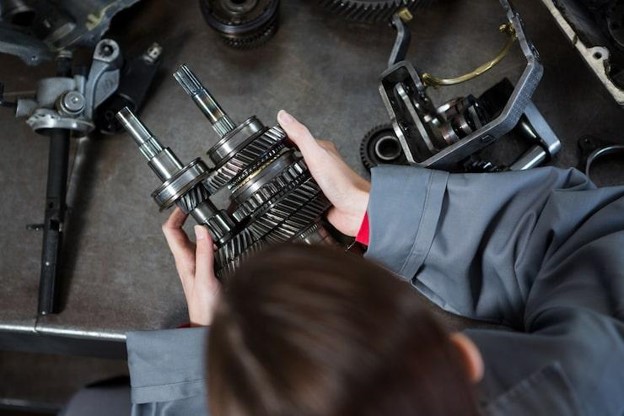
Incorrect torque converter seating is one of the most destructive transmission install mistakes during replacement work. The converter must fully engage the transmission pump before the transmission connects to the engine. If the converter is not seated correctly, tightening bellhousing bolts may force it into the pump assembly, damaging pump gears, seals, bushings, or internal components before startup. Proper torque converter seating is essential for protecting the transmission from immediate damage.
This mistake may not be obvious at first. The transmission can appear to fit correctly while hidden damage has occurred. Common symptoms include no vehicle movement, abnormal pump noise, pressure-related issues, fluid leaks, or complete failure shortly after startup. Before mating the transmission to the engine, installers should verify converter depth, rotation, and full engagement to prevent unnecessary replacement transmission failure.
The torque converter should never be used to pull the transmission into position. If the transmission does not align naturally with the engine, the installer should stop and identify the cause. Forcing the assembly together can damage the front pump, converter hub, or other critical components. A careful installation includes verifying alignment, dowel pin location, flexplate clearance, converter position, and proper bolt engagement before final assembly. These simple checks can prevent costly repairs and warranty disputes later.
Cooler contamination and line errors
One of the leading causes of early replacement transmission failure is contamination left behind from the original unit. When a transmission fails internally, metal fragments, clutch material, and degraded fluid often travel through the transmission cooler and cooler lines. Without a proper transmission cooler line flush or cooler replacement when required, that debris can be pushed directly into the replacement transmission. The result is often premature wear or damage that appears to be a transmission problem but actually originated from the previous failure.
Cooler line issues can create additional complications. Crossed cooler lines, restricted passages, kinked hoses, loose fittings, leaks, or partially blocked coolers can interfere with fluid circulation. Transmission fluid performs critical cooling, lubrication, and hydraulic functions. When fluid flow is restricted, excessive heat and pressure problems can develop quickly. Even a high-quality used transmission can suffer damage if cooler flow is compromised after installation.
In some applications, flushing is not sufficient. Certain cooler designs can trap contamination in areas that are difficult to clean thoroughly. When severe internal failure has occurred, manufacturers and warranty providers may require cooler replacement instead of flushing. Buyers should review warranty coverage requirements carefully and ensure all required cooler service procedures are documented. Keeping service records can help protect future warranty claims if problems arise.
Houston Engines recommends treating cooler service as a mandatory part of the installation process rather than an optional upgrade. Proper transmission cooler line flush procedures, cooler inspection, fluid cleanliness verification, and unrestricted flow checks help create the environment a replacement transmission needs to operate correctly. Investing time in these steps can significantly reduce the risk of premature failure and installation-related problems.
Fluid fill and relearn errors
A transmission fluid fill error can be just as damaging as mechanical installation mistakes. Using the wrong fluid type, filling the unit incorrectly, underfilling, overfilling, or ignoring temperature-based fill procedures can lead to slipping, overheating, delayed engagement, foaming, and pressure-related issues. Many modern transmissions require highly specific fill procedures, and some no longer use traditional dipsticks. Assuming the fluid level is correct without following manufacturer guidelines can create expensive problems quickly. Correct fluid type, level, and temperature are essential for reliable replacement transmission performance and preventing avoidable damage after installation.
Programming and relearn procedures are equally important. Many modern vehicles require adaptive resets, control module updates, shift relearns, or scan-tool initialization procedures after installation. If these steps are skipped, the vehicle may experience harsh shifts, delayed engagement, warning lights, or inconsistent performance. These symptoms are often mistaken for transmission defects when the actual issue is incomplete setup. Following required relearn procedures helps ensure the replacement transmission communicates properly with the vehicle and performs as intended after installation, reducing unnecessary troubleshooting and preventing premature replacement transmission failure.
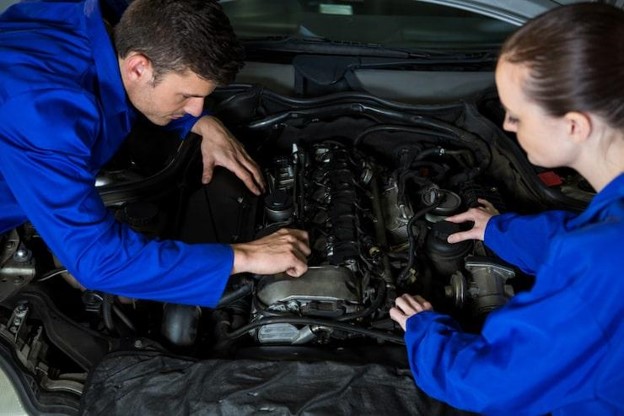
Transmission Installation Protection Checklist Guide
Confirm proper torque converter seating before installation begins. The converter should fully engage the transmission pump, and the transmission should never be forced into place using bellhousing bolts. Taking extra time during setup can prevent severe internal damage before the vehicle is started. Proper converter installation also helps prevent pump damage, fluid leaks, and unnecessary replacement transmission failure caused by incorrect seating.
Perform a complete transmission cooler line flush or cooler replacement when necessary. Remove contamination from the previous failure, verify cooler flow, inspect hoses and fittings, and document all service procedures. Clean fluid circulation is essential for protecting a replacement transmission and maintaining warranty coverage requirements.
Proper cooler service can also reduce the risk of contaminated fluid damaging internal components after installation.
Use the correct transmission fluid and follow the approved fill procedure exactly. Fluid type, fluid level, temperature checks, gear cycling procedures, and final verification steps all matter. A transmission fluid fill error can create symptoms that closely resemble internal transmission failure even when the unit itself is functioning correctly. Always follow manufacturer specifications during fluid service.
Complete all required programming and relearn procedures before evaluating transmission performance. Many modern vehicles require electronic initialization after installation. Following these steps helps prevent unnecessary drivability complaints and ensures the transmission is judged fairly. For additional installation guidance, warranty coverage information, or technical assistance with a used transmission, contact us at Houston Engines before beginning your project. Proper preparation protects your investment.
Get our latest news and promos
QUALITY ASSURED


SATISFACTION GUARANTEED

UNPARALLELED SUPPORT
Houston Engines
Proud Member



Social Media
Payments Accepted
Ship Via