
Mon - Fri: 8am - 5pm, Sat - Sun: Closed

6-36 Month Warranties
We Ship Local.
Hablamos Español.
Connect with
Used Oil Analysis for Early Engine Problem Detection
Used Oil Analysis Diesel
Why Oil Reports Reveal Problems Before Symptoms
Engine oil circulates through every critical clearance inside a diesel engine, making it a powerful diagnostic data source. When bearings begin to wear, fuel dilution in engine oil increases, or coolant enters the crankcase, the oil carries chemical and metallic evidence before noise or power loss appears. That’s why used oil analysis diesel testing is valuable for towing trucks, fleet vehicles, and high-mileage daily drivers operating under heavy load.
Rather than relying on feel or guesswork, oil analysis for trucks provides measurable trends. Reports identify rising wear metals bearing wear patterns, viscosity breakdown, soot accumulation, and coolant contamination oil test markers indicating internal leaks. Trending samples helps adjust service intervals and prevent major diesel engine repair or replacement decisions.
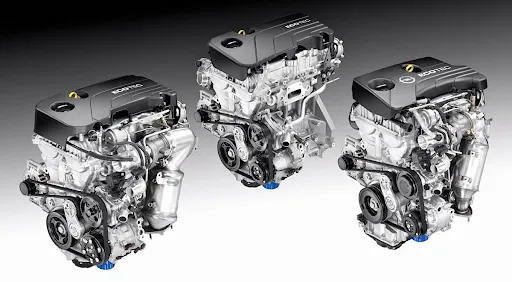
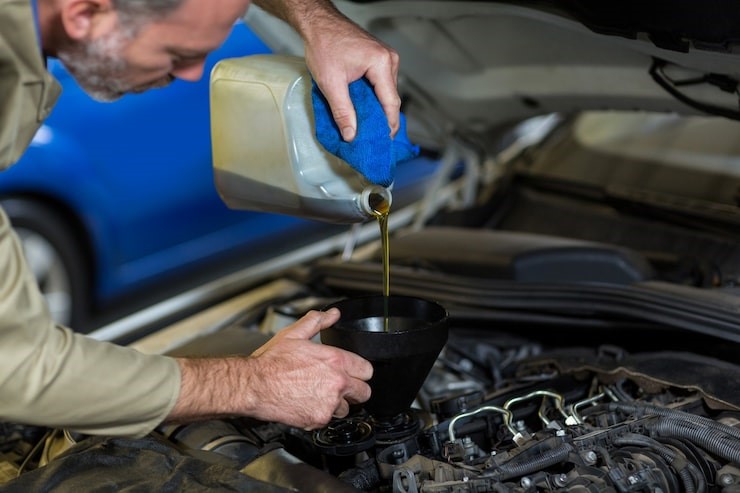
Consistent sampling produces the most reliable results. Pull oil samples at similar mileage intervals, record towing and idle conditions, and use the same lab for accurate trend comparison over time. For heavy-duty trucks, used oil analysis diesel reporting offers early warning of heat and stress-related wear that may not yet affect performance. Clean reports confirm healthy operation, while abnormal findings direct focused inspections before damage spreads to bearings, rings, or turbo components and leads to costly repairs.
What Labs Test and What Numbers Mean
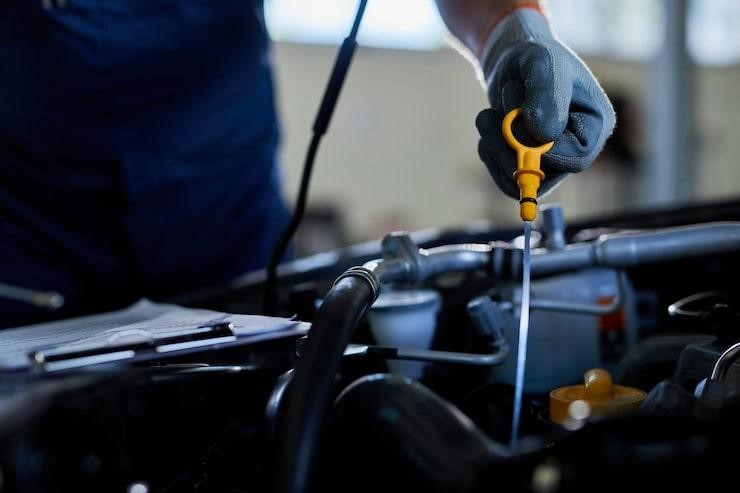
Most laboratories evaluate viscosity, fuel dilution percentage, coolant markers such as sodium and potassium, soot loading, oxidation, and wear metals bearing wear indicators like iron, copper, lead, aluminum, and chromium. Viscosity reveals whether oil is thinning from fuel dilution in engine oil or thickening due to soot and oxidation. Elevated fuel dilution often traces back to injector leakage, excessive idle time, or regeneration-related issues.
Coolant contamination oil test results are especially critical because coolant rapidly attacks bearing surfaces. Even small amounts can create sludge formation, elevated metal counts, and shortened engine life. Wear metal patterns help pinpoint sources—copper and lead often indicate bearing distress, while iron may relate to cylinder, ring, or valvetrain wear depending on the trend and supporting engine symptoms.
Interpret lab values as trends rather than single data points. One elevated number may result from sampling variance, but repeated elevation across intervals demands action and further inspection. Combine oil analysis for trucks with scan data and operating symptoms for a complete diagnostic picture. If reports show fuel dilution and the truck has hard starts or smoke, investigate fueling issues promptly. If coolant markers rise alongside pressure loss, prioritize cooling system leak diagnostics immediately to prevent internal damage.
Sampling Best Practices for Accurate Results
Accurate used oil analysis diesel reporting begins with proper sampling technique. Collect oil mid-stream during a warm drain to capture a representative mixture and avoid settled debris at the pan bottom. Use a clean container, prevent contamination from shop rags or funnels, and clearly label mileage, oil brand, viscosity grade, and service interval. Standardizing the process ensures meaningful trend data for fleets and individual trucks while reducing inconsistencies that can distort interpretation.
Duty cycle significantly affects oil results. Trucks that idle extensively, tow heavy loads, or operate in high ambient temperatures will show higher soot and oxidation levels than light-use vehicles. That difference does not automatically signal failure. Instead, oil analysis for trucks helps determine the correct service interval based on real-world operating stress. Rapid soot growth may require shorter intervals, while consistent fuel dilution in engine oil demands injector or regeneration system evaluation to prevent accelerated internal wear.
When reports indicate increasing wear metals bearing wear, act before noise develops. Bearings can fail quickly once coolant contamination oil test results or dilution reduce oil film strength. Confirm stable oil pressure, cut open filters to inspect for metallic debris, and consider additional diagnostics such as crankcase pressure testing to evaluate ring seal and overall engine condition before damage progresses to major components.
Houston Engines recommends establishing baseline oil reports for used engine purchases and remanufactured engine installations. A sample after break-in and another at the first scheduled service interval documents internal cleanliness and ring seal health. This documentation supports warranty protection, verifies proper operation, and helps detect early contamination before it damages a replacement diesel engine and leads to costly downtime or repairs.
Turning the Report Into a Maintenance Plan
A comprehensive oil report guides maintenance decisions beyond simply changing oil. If viscosity remains stable and wear metals are consistent, service intervals can remain steady without unnecessary expense. If soot loading, oxidation, or fuel dilution in engine oil increases rapidly, shorten intervals and correct the root cause instead of masking symptoms with more frequent oil changes. Addressing the source of contamination or stress protects bearings, rings, and other internal components while preserving lubrication integrity under demanding operating conditions. Consistent reporting supports proactive planning rather than reactive repairs.
When used oil analysis diesel results reveal rising coolant markers and bearing metals, replacement may be more practical than repeated repair, especially for heavy towing applications exposed to extreme loads and temperatures. Stable findings, however, justify continued operation with confidence and structured maintenance planning. Houston Engines helps customers interpret oil analysis for trucks and align findings with long-term reliability goals, whether maintaining an existing engine or selecting a remanufactured engine backed by warranty support and dependable performance assurance.

Used Oil Analysis Reliability Checklist
Sample oil while warm and collect it mid-stream during the drain process to obtain the most accurate representation of internal engine condition. Capturing oil at operating temperature ensures contaminants and wear particles remain suspended in the sample rather than settling at the bottom of the pan. Clean collection methods prevent contaminated samples that could lead to unnecessary repair decisions or misinterpretation of wear metals bearing wear results. Always use clean containers and avoid contact with shop rags, funnels, or dirty surfaces that could skew laboratory findings.
Trend reports at consistent mileage intervals and document operating conditions such as towing weight, idle time, and oil brand. Reliable trends are more valuable than isolated results because they reveal direction and rate of change over time. A single elevated reading may not indicate failure, but steady increases in soot, oxidation, or metal content signal developing internal stress that requires attention.
Treat fuel dilution in engine oil and coolant contamination oil test findings as urgent concerns. Both conditions reduce lubrication film strength, accelerate wear, and can quickly damage bearings if left uncorrected. Early detection prevents catastrophic diesel engine failure and supports proactive maintenance planning.
Use each report to guide targeted diagnostics. Cut open oil filters, verify oil pressure stability, and compare findings with scan data. For help interpreting results or verifying a used or remanufactured engine under warranty, contact us at Houston Engines for expert guidance and preventative support.
Get our latest news and promos
QUALITY ASSURED


SATISFACTION GUARANTEED

UNPARALLELED SUPPORT
Houston Engines
Proud Member



Social Media
Payments Accepted
Ship Via