
Mon - Fri: 8am - 5pm, Sat - Sun: Closed

6-36 Month Warranties
We Ship Local.
Hablamos Español.
Connect with
What a Good Reman Engine Warranty Covers
Reman Engine Warranty Coverage
Why warranty headlines can be misleading
Many buyers compare remanufactured engine options based only on warranty length, but duration tells only part of the story. A “3-year warranty” may sound impressive until buyers review whether the protection is parts-only, whether labor reimbursement exists, and which exclusions apply to overheating, oil starvation, contamination, or installation-related mistakes. Real reman engine warranty coverage depends on how clearly the agreement defines covered failures and how realistic the claim requirements are once the engine enters service.
Strong warranties explain what qualifies as a defect, what proof required, and which actions can void coverage. Weak reman warranty fine print relies on broad exclusions or vague wording shifting responsibility after failure. Understanding coverage helps compare value beyond marketing.
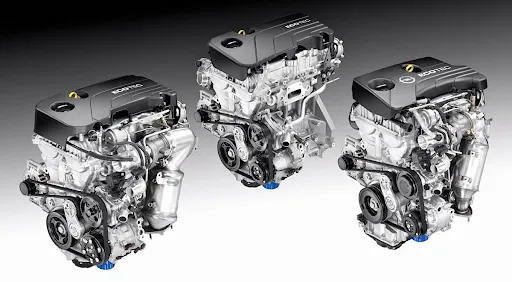

The smartest way to evaluate a reman engine warranty checklist is to ask one direct question: if the engine fails several months after installation, what documentation must be provided and what costs will actually be covered? That question immediately shifts attention toward labor coverage, break-in requirements, contamination rules, approval procedures, freight responsibility, and maintenance documentation. It also exposes the difference between warranty advertising and real warranty administration, which is where many buyers discover that their assumptions were never included in the written coverage terms.
What solid reman warranties usually include

A strong reman engine warranty coverage program generally protects against defects in workmanship and internal component failure when the engine has been installed correctly and maintained according to written instructions. Failures caused by machining defects, assembly errors, or defective internal components may qualify for coverage if supporting systems were serviced properly and installation procedures were followed carefully. Some warranties remain parts-only, while stronger programs may include limited labor reimbursement or capped labor allowances under approved claim conditions.
Clear reman engine warranty fine print should define inspection rights, claim procedures, and required documentation. Buyers should expect to provide receipts for fluids, filters, and coolant service plus proof startup preparation and break-in procedures completed. Good warranties are detailed instead of vague because they explain what reman warranty covers and conditions required to keep protection valid through coverage period.
Buyers should also review whether commercial use changes the warranty term, whether the coverage transfers to future owners, and whether accessories or transferred components are excluded from protection. A remanufactured engine long block may be covered while reused turbochargers, injectors, sensors, manifolds, or fuel-system parts are not. Understanding those limits before installation helps buyers and shops avoid confusion later about which failure belongs to the engine and which belongs to reused external support components during a warranty claim review.
The fine print buyers overlook most often
One of the most overlooked engine warranty exclusions involves contamination from the previous engine failure. Many reman engine warranty coverage claims are denied because oil coolers, intercoolers, cooling systems, intake systems, or fuel systems were not cleaned correctly before the replacement engine was installed. If debris from the original engine failure damages the replacement unit, the warranty provider may classify the issue as installation-related contamination instead of a manufacturing defect. Buyers who ignore this section of the reman warranty fine print often assume they have broader protection than the written agreement actually provides.
Break-in and maintenance documentation is another major issue hidden inside many warranty policies. Warranties often require specific oil viscosity, scheduled break-in service intervals, filter replacement records, and proof that startup procedures were followed correctly. Missing invoices, undocumented maintenance, or skipped break-in service can create claim problems even when the engine failure itself appears legitimate. Documentation matters because warranty administrators need proof that the remanufactured engine received proper care from the first startup onward under reman engine warranty coverage requirements.
Labor and downtime assumptions also create confusion during warranty claims. Buyers frequently assume towing, diagnostics, freight, rental vehicles, or labor are automatically included whenever a claim occurs. In reality, many warranties exclude those expenses completely or place strict limits on reimbursement amounts. Even when labor is included, coverage may require pre-authorization or follow flat-rate schedules that do not reflect actual repair time. Buyers should always review labor coverage separately instead of assuming labor protection follows parts coverage automatically under reman engine warranty coverage agreements.
Houston Engines encourages buyers to review all reman engine warranty coverage terms before placing the order instead of waiting until a problem develops later. Understanding installation requirements, maintenance expectations, contamination policies, and documentation rules in advance helps reduce denied claims. Contact us before purchase for clarification on warranty language and procedures review needed.
How to compare reman warranties intelligently
The best way to compare warranties is to focus on claim practicality instead of term length alone. Buyers should ask what reman warranty covers internally, whether labor reimbursement exists, what documentation is required, how contamination claims are handled, and whether towing or commercial use changes the coverage terms. In many situations, a shorter warranty with clear coverage and realistic claim procedures provides more real-world value than a longer warranty filled with broad engine warranty exclusions and difficult approval conditions.
Support quality also matters. warranty backed by strong technical guidance, clear installation procedures, and responsive claim handling often provides more value than generic policy language. Good support helps prevent failures before they happen, strongest benefits remanufactured engine warranty. Houston Engines recommends comparing technical support, documentation expectations, claim transparency together instead of focusing only on headline warranty duration. Evaluating warranty terms side by side ensures buyers understand real coverage differences, potential repair delays, and claim approval requirements, helping them choose protection that delivers consistent reliability and long-term engine performance confidence overall assurance.

Reman warranty review checklist before purchase
Read beyond the advertised term length and confirm whether the reman engine warranty coverage is parts-only or includes labor reimbursement. That distinction changes real-world value more than most buyers realize, because labor expenses during major repairs are often significant and unexpected, especially when diagnostic time and reinstallation are considered in full repair workflows across typical automotive service and repair scenarios.
Review all engine warranty exclusions carefully before installation begins. Pay close attention to contamination, overheating, oil starvation, maintenance requirements, and cooling-system service clauses. These exclusions are often reasonable, but buyers must understand them before the engine is installed so the job is prepared correctly from the start. Proper awareness reduces installation risks and prevents avoidable warranty disputes later significantly overall.
Confirm what documentation will be required if a warranty claim becomes necessary. Receipts for fluids, filters, break-in service, startup preparation, and support-system cleaning should all be retained from day one. A complete reman engine warranty checklist protects the buyer by creating proof that the engine was installed and maintained according to written requirements through consistent record keeping practices every time.
Choose a warranty backed by clear communication, technical support, and realistic claim procedures. The strongest warranty is not simply the longest one—it is the coverage that protects the buyer under real operating conditions instead of only looking strong in advertising headlines. For additional guidance about remanufactured engine coverage or installation requirements contact us before purchase so expectations and protection details.
Get our latest news and promos
QUALITY ASSURED


SATISFACTION GUARANTEED

UNPARALLELED SUPPORT
Houston Engines
Proud Member



Social Media
Payments Accepted
Ship Via