
Mon - Fri: 8am - 5pm, Sat - Sun: Closed

6-36 Month Warranties
We Ship Local.
Hablamos Español.
Connect with
Why Replacement Engines Run Rough After Install
Replacement Engine Runs Rough
Start with installation basics first
A replacement engine that runs rough after installation can make buyers nervous, but rough running does not mean the engine is defective. Many first-start complaints come from reused components, installation oversights, disconnected wiring, vacuum leaks, poor grounds, intake issues, or sensors damaged during removal and installation. When a replacement engine runs rough, the problem may exist outside the engine itself.
The first step is to verify the basics before assuming internal engine failure. A proper diagnostic approach checks fuel delivery, ignition, air intake, compression, wiring integrity, and computer communication. This prevents unnecessary warranty concerns and identifies installation problems. Effective replacement engine troubleshooting focuses on evidence rather than assumptions, often revealing simple issues that can be corrected quickly.
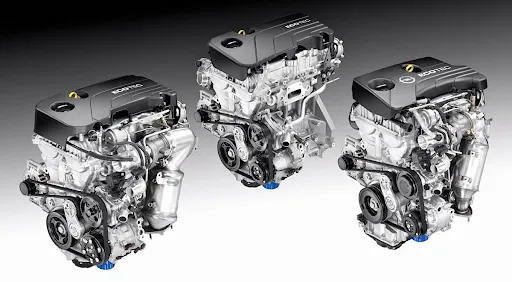

Replacement engines are commonly sold as long blocks or partial assemblies that require original components to be transferred from the failed engine. Intake manifolds, throttle bodies, injectors, ignition coils, sensors, exhaust components, wiring harnesses, and accessory brackets may all be reused. If any of those transferred components are worn, damaged, contaminated, or installed incorrectly, a used engine rough idle or drivability complaint may occur even when the replacement engine is internally healthy. That is why thorough post install engine checks must include every reused component.
Common causes of rough running
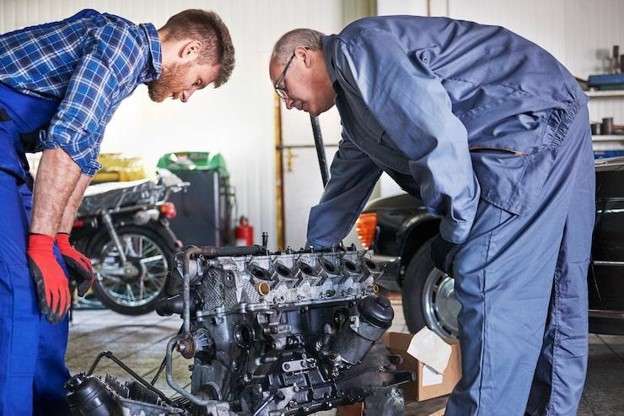
Vacuum leaks are among the most common causes of an engine swap running rough after installation. Loose intake connections, cracked vacuum hoses, damaged intake gaskets, disconnected PCV lines, brake booster leaks, and unmetered air entering the engine can all create unstable idle, lean fuel mixtures, hesitation, and misfire conditions. Many of these problems are difficult to spot visually and require careful inspection or smoke testing to locate accurately.
Electrical issues are another major source of rough-running complaints. Loose grounds, weak batteries, poor charging system performance, damaged connectors, crossed sensor plugs, or pinched wiring can create symptoms that appear to be serious engine problems. Modern engines rely heavily on accurate sensor data and proper communication between control modules. If the computer receives incorrect information, the engine may misfire, idle poorly, hesitate under load, or fail to complete necessary relearn procedures.
Fuel and ignition systems should be inspected early in the diagnostic process. Low fuel pressure, contaminated fuel, clogged injectors, worn spark plugs, weak ignition coils, or incorrect firing-order connections can cause rough operation after startup. These issues may have existed before the engine replacement or developed during installation. A remanufactured engine or used replacement engine cannot perform properly if supporting fuel and ignition systems are compromised, making these checks essential for identifying installation-related problems and preventing unnecessary concerns about engine condition or performance.
Checks before blaming the engine
The first diagnostic step should be scanning the vehicle for trouble codes and reviewing live operating data. Diagnostic codes may identify misfires, lean conditions, throttle-related faults, fuel delivery concerns, sensor issues, or timing correlation problems. Live data is often even more valuable because it shows how the engine is behaving in real time. Fuel trims, coolant temperature readings, oxygen sensor activity, throttle position values, airflow measurements, and misfire counters can help narrow the diagnosis quickly and accurately.
The second step is verifying intake-system integrity. A smoke test can reveal vacuum leaks that are nearly impossible to see during a visual inspection. Intake manifold gaskets, EVAP lines, PCV connections, throttle-body seals, and brake booster hoses should all be inspected carefully. Even a small leak can create a rough idle condition, especially after the battery has been disconnected and the vehicle computer is relearning operating parameters. Proper post install engine checks should always include intake leak testing.
The third area of focus is installation-related electrical work. Ground straps should be clean, secure, and free of corrosion. Connectors should be fully seated and locked into position. Wiring harnesses should not be stretched, pinched, routed near excessive heat, or contaminated with fluids. If sensors were transferred from the old engine, they should be inspected carefully for cracks, contamination, or connector damage. One damaged sensor or loose ground can create symptoms that look much worse than the actual problem.
Houston Engines recommends documenting all diagnostic procedures before initiating a warranty concern. Compression readings, oil pressure measurements, fuel-pressure tests, cooling-system inspections, ignition checks, wiring inspections, and scan-tool data should all be recorded. This information helps determine whether the issue belongs to the replacement engine or the installation environment around it. For assistance with replacement engine troubleshooting, contact us before assuming the engine itself is defective.
When the part may be suspect
Once installation basics have been verified, attention can shift toward the engine itself if evidence supports that conclusion. Low compression in one or more cylinders, excessive crankcase pressure, abnormal oil pressure, internal knocking noises, coolant contamination, mechanical timing concerns, or repeated cylinder-specific misfires that remain after swapping coils and injectors may indicate an internal problem. These conditions should be confirmed through proper testing rather than assumptions. A thorough inspection helps determine whether the engine itself is responsible for the rough-running condition or whether another component needs attention before pursuing warranty coverage.
A strong warranty coverage claim is built on documentation and test results. Compression tests, leak-down tests, oil-pressure readings, diagnostic reports, installation records, photographs, and service invoices help separate a true engine defect from a support-system problem. Whether the unit is a used engine or a remanufactured engine, objective evidence protects both the customer and supplier. Careful testing reduces unnecessary disputes and helps identify the actual cause of the rough-running condition more efficiently, supporting a fair and accurate warranty decision.

Rough Running Post-Installation Diagnostic Checklist
Scan the vehicle before making assumptions. Diagnostic trouble codes, fuel trims, sensor readings, relearn status, and misfire counters often identify the affected system quickly. These tools provide valuable information during replacement engine troubleshooting and help prevent unnecessary parts replacement while giving technicians a clearer direction for further testing and inspection.
Inspect every reused component transferred from the original engine. Sensors, injectors, ignition coils, throttle bodies, intake assemblies, wiring harnesses, exhaust components, and brackets can all contribute to a used engine rough idle complaint even when the replacement engine itself is operating correctly. Reused parts deserve the same level of inspection as the engine before conclusions are made.
Check air, fuel, spark, compression, cooling performance, and electrical grounds in a logical sequence. Skipping steps often leads to incorrect conclusions, wasted labor, and avoidable warranty disputes. A structured diagnostic process is the most reliable way to identify why a replacement engine runs rough after installation and determine whether the issue is related to installation, reused components, or the engine itself.
Document every finding before filing a claim. Photos, startup notes, fluid receipts, diagnostic reports, compression readings, and test results provide valuable evidence if questions arise later. Good documentation supports warranty coverage reviews and helps Houston Engines determine whether the concern is related to the engine or another vehicle system. For additional technical guidance, contact us before proceeding with major repairs.
Get our latest news and promos
QUALITY ASSURED


SATISFACTION GUARANTEED

UNPARALLELED SUPPORT
Houston Engines
Proud Member



Social Media
Payments Accepted
Ship Via